
The demand for Shipping Containers for Sale Chicago has grown rapidly over the last few years. With more businesses expanding, homeowners taking on renovation and storage projects, and creative builders converting containers into offices or pop-up shops, the container market in Chicago has become incredibly active. But with so many options, price points, and conditions available, buyers need to know exactly what to look for before making a purchase.
Whether you’re buying for storage, construction, resale, or modification, here are the seven most important things to check before purchasing a shipping container in Chicago.
1. Determine the Grade and Condition of the Container
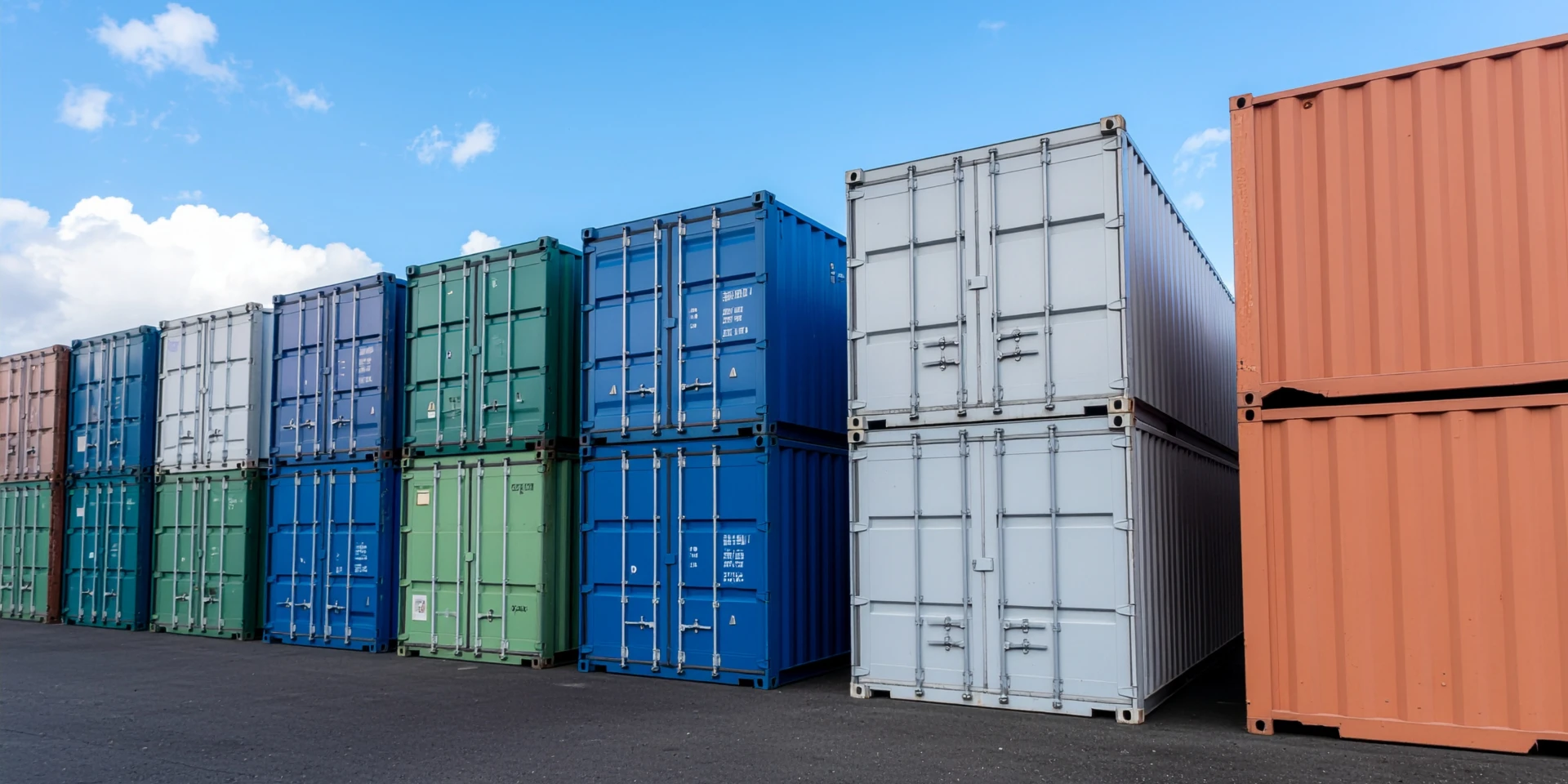
Shipping containers typically come in several condition grades:
- New (One-Trip): Used only once for international transport; nearly flawless.
- Cargo-Worthy (CW): Used but certified for overseas shipping; structurally sound.
- Wind and Watertight (WWT): Used but guaranteed not to leak.
- As-Is: No guarantees; may have major damage.
If you're considering used shipping containers in Chicago, make sure you know exactly what condition you're paying for. Many buyers prefer WWT containers because they offer excellent value — secure and leak-free at a more affordable price than one-trip units.
2. Inspect the Doors and Seals
Doors are one of the first parts of a container to wear out, especially in Chicago’s cold winters. When inspecting:
- Make sure both doors open and close smoothly.
- Look for gaps in the rubber seals.
- Check for rust around the locking rods.
- Ensure all locking mechanisms function correctly.
Even small gaps can lead to water intrusion, pest problems, and structural damage. If buying remotely, request clear photos or a video walk-through.
3. Look for Structural Rust and Corrosion
Shipping containers are designed to withstand harsh environments, but rust is still a common issue — especially in Storage Containers for Sale Chicago that have been used heavily in freight yards. Surface rust is normal, but what you need to watch for is:
- Deep rust pits
- Holes or patches
- Weak flooring due to moisture
- Rust around roof seams
Structural corrosion can compromise the container’s longevity and safety, making it risky for storage or modification.
4. Check the Flooring
Most shipping containers have marine-grade plywood floors treated with industrial chemicals. When evaluating the floor:
- Look for soft spots or rot
- Check for signs of chemical spills
- Ensure the floor is level
- Verify that no moisture is trapped underneath
If you’re planning container modifications—like converting it into an office or workspace—you may need refinishing or replacement flooring.
5. Confirm Dimensions and Specifications

Not all containers are built the same. Standard dimensions include:
- 20-foot
- 40-foot
- 40-foot High Cube (HC)
Before buying, measure your site to ensure the container will fit, and verify your need for extra height, doors, or ventilation. Some buyers prefer high-cube containers because the extra vertical space is ideal for equipment, palletized goods, or future modifications.
6. Verify Delivery Options and Site Requirements
Buying the right container is only half the battle — you also need to get it delivered safely to your location. Before purchase, ask:
- What type of truck will deliver the container?
- Can they deliver using tilt-bed or roll-off trucks?
- Does your property have enough clearance?
- Is ground preparation required?
Chicago’s tight alleys, narrow streets, and urban zones can make delivery more challenging. Always communicate site details upfront to avoid extra fees or failed attempts.
7. Understand Pricing and Market Trends
Prices for Shipping Containers for Sale Chicago can fluctuate based on:
- Global steel prices
- Midwest demand
- Container shortages or surpluses
- Condition and grade
- Distance from the depot
Used containers are typically cheaper, but value depends on condition. Comparing prices is essential, but so is understanding what each seller includes — delivery fees, inspections, guarantees, and certifications can make a huge difference in total cost.
Conclusion
Buying a shipping container in Chicago can be a smart, long-lasting investment — whether you're purchasing for storage, business expansion, construction, or renovation. By checking these seven key factors, you’ll ensure you get a high-quality unit that fits your needs, budget, and long-term plans. And when you’re ready to explore reliable options for containers, modifications, or storage solutions, Spinnaker Leasing and Equipment is here to help.



























Sign in to leave a comment.