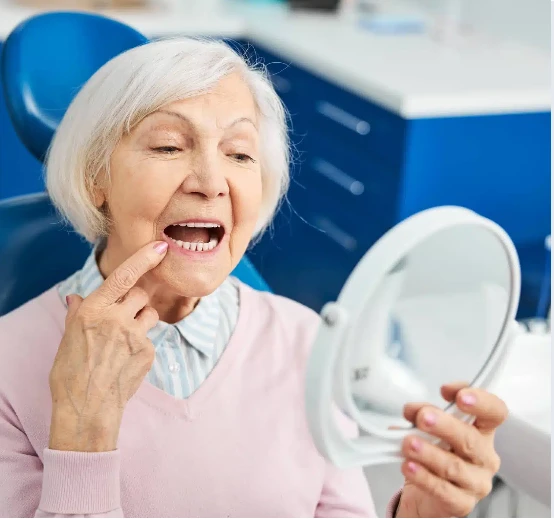
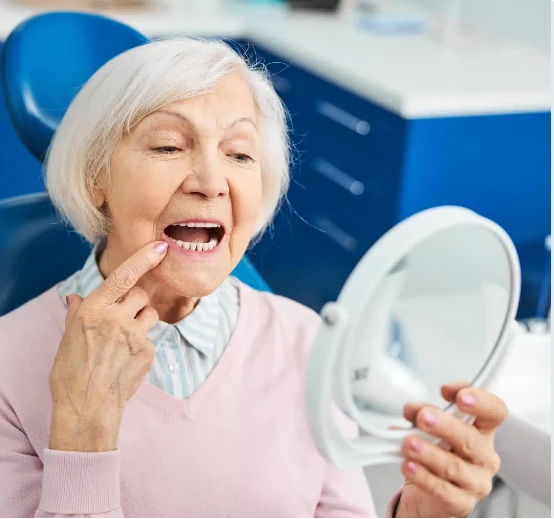
The mouth is the gateway to the body. As our population ages, geriatric oral care education is becoming a critical part of overall health. Poor oral health can lead to more than just tooth pain. According to the CDC, seniors with gum disease have a higher risk of heart disease, diabetes complications, and even pneumonia. Yet millions of older adults skip regular dental visits due to mobility issues, fear, or lack of access. Many caregivers, too, struggle to know where to start. Geriatric oral care education is what bridges that gap.
Why Geriatric Oral Care Education Matters
I vividly remember visiting a nursing home years ago and meeting Mrs Lane, a retired teacher who always greeted everyone with such a sweet smile. But after a certain point, she felt very embarrassed to do so. Her dentures didn’t fit well, her gums were sore, and she told me she hadn’t seen a dental professional in years. “It just hurts too much to brush,” she said softly. That moment was a reminder to me that oral health education is not just about teaching people the correct angle to hold a toothbrush and how to floss correctly. They need to be fed with confidence and given the tools to care for themselves. When we ensure that older adults are educated on proper habits, we help them preserve independence and self-esteem. And when we teach caregivers how to assist without causing discomfort, we protect our seniors’ dignity. It provides both seniors and caregivers with the knowledge to manage daily oral care safely and effectively.
By understanding the basics and focusing on consistency, we can empower seniors and those who care for them to protect their smiles—and their health.
1. Start with Gentle but Consistent Daily Care
The foundation of geriatric dental care is consistency. Seniors should be brushing twice a day and cleaning between their teeth daily. However, age-related challenges can make these tasks difficult. Arthritis, tremors, or vision problems may limit their ability to brush effectively.
What you can begin with:
- Choose a soft-bristled or electric toothbrush. Electric brushes make cleaning easier and more effective with minimal effort.
- Use fluoride toothpaste to protect against cavities.
- Encourage small, circular motions instead of harsh scrubbing to prevent gum irritation.
- Keep oral care tools visible and accessible to make it part of the daily routine.
If a senior is not able to manage brushing alone, caregivers can assist by standing behind them, gently guiding their hands or using an electric brush to reach all areas of the mouth comfortably.
When caregivers are trained through mobile dental certification or professional workshops, they gain hands-on experience in assisting older adults safely and confidently.
2. Teach Denture and Partial Care the Right Way
Dentures and partials require daily cleaning, just like natural teeth. Without proper care, bacteria and fungus can grow, leading to sores, infections, or bad breath.
Simple denture care checklist:
- Rinse dentures after every meal to remove food particles.
- Brush them gently with a soft brush and mild soap—never toothpaste, as it can scratch.
- Soak dentures overnight in a cleaning solution recommended by a dentist.
- Rinse thoroughly before wearing them again.
- Schedule regular checkups for adjustments to avoid painful rubbing or sores.
When I visit long-term care facilities, I often see dentures left in cups of water for days. That’s not hygiene—it’s a breeding ground for bacteria. Teaching caregivers and residents the importance of daily cleaning and proper soaking is a vital part of geriatric oral care education.
3. Address Common Oral Health Issues Early
As people age, they naturally become more prone to oral health problems like dry mouth, gum disease, and sensitivity. These issues often develop quietly, without pain, until they become serious.
How to identify and manage common issues:
- Dry mouth or Xerostomia: This condition which is often caused by medications, can make even eating and speaking pretty uncomfortable. Encourage frequent sipping of water, sugar-free gum, or saliva substitutes.
- Gum disease: Look for red, swollen, or bleeding gums. Gently clean with a soft brush and schedule professional dental cleanings regularly.
- Sensitivity: Use toothpaste designed for sensitive teeth and avoid very hot or cold foods.
- Ill-fitting dentures: Report discomfort early to prevent sores or infections.
Caregivers should know these warning signs and report them promptly. Early intervention prevents complications and keeps seniors comfortable. Continued geriatric dental care education can enable caregivers to notice small changes before they become emergencies.
4. Incorporate Professional Support Through Mobile Dental Services
Many seniors cannot easily travel to dental clinics due to physical or logistical challenges. That’s where mobile hygiene services and mobile dental professionals come in. These services bring care directly to seniors at home, in nursing facilities, or community centers.
Why mobile services matter:
- They eliminate transportation barriers for those with limited mobility.
- They allow dental professionals to monitor oral health consistently.
- They help caregivers and facility staff learn on-site oral care techniques.
Mobile care teams often hold mobile dental certification, which ensures they are trained to handle the unique needs of older adults. When dental professionals bring care to seniors, they also bring education to caregivers, creating a stronger support system for continued oral health.
I’ve seen the transformation firsthand. A nursing home I visited last year partnered with a certified mobile dental team. Within six months, residents had fewer oral infections, better appetite, and more smiles. That is the kind of difference seen with education, accessibility, and compassion.
5. Make Oral Health Part of Overall Wellness
Oral health does not exist in isolation. It connects deeply with nutrition, medication management, and general wellbeing. Seniors who can eat comfortably, that is without any pain, are more likely to maintain a balanced diet, which supports immune health and recovery.
Encourage these habits:
- Limit sugary snacks and beverages that feed harmful bacteria.
- Include crunchy fruits and vegetables like apples or carrots to stimulate gums.
- Schedule regular dental checkups or mobile visits every six months.
- Keep medications updated and report new side effects, especially dry mouth.
Every conversation about health should include oral care. It reminds seniors that their smiles are part of their overall wellness—and that maintaining them is an act of self-care and pride.
Bridge to Dignity and Family Values
At the heart of geriatric oral care education lies compassion. When we help older adults maintain their oral health, we do more than preserve their teeth—we protect their dignity. We restore their confidence to laugh, speak, and enjoy meals without pain or embarrassment.
For caregivers, education is empowerment. It turns daily tasks into meaningful acts of service. And for dental professionals, it’s a reminder that we are not only treating teeth but nurturing lives.
For ourselves and our families, understanding and teaching oral care is part of building a culture of respect for aging. Every small act—every gentle cleaning or routine reminder—keeps our seniors feeling seen, valued, and loved.
Join the Movement for Healthier Smiles
It’s time to make geriatric dental care a priority in every home, facility, and community. As a dental professional, caregiver, or health advocate, consider advancing your knowledge through our mobile dental certification programs or oral care training sessions.
Together, we can ensure that every senior receives the care, comfort, and education they deserve. Because when we protect the smiles of our elders, we honor their stories, their health, and their dignity.





























Sign in to leave a comment.