In today’s fast-moving business landscape, small businesses must operate with maximum efficiency to stay competitive. One of the biggest challenges small business owners face is managing payroll and human resources (HR) effectively without the administrative burden that often comes with manual processes. To tackle this, many businesses turn to automation tools. The secret lies in knowing how to find the best payroll and HRM software for your small business—one that fits your needs, saves time, and helps your company grow.
The Importance of Payroll and HRM Software for Small Businesses
Payroll and HR management go hand in hand when it comes to running a business smoothly. Payroll ensures your employees are paid accurately and on time, while HRM (Human Resource Management) handles everything from recruitment to employee engagement and compliance.
When small businesses rely on spreadsheets or manual methods, errors can easily slip through. Delayed payments, incorrect tax deductions, and compliance issues can all harm employee morale and business reputation.
That’s where modern payroll and HRM software comes in. These tools streamline your operations, reduce human error, and give you the time to focus on growing your business instead of getting bogged down by administrative work.
What to Look for When Choosing Payroll and HRM Software
Before you can find the best payroll and HRM software for your small business, you need to know what makes one system better than another. Every business is unique, so it’s essential to focus on software that matches your specific requirements. Here are some key features to consider:
- Ease of Use:
- The best software should have an intuitive interface that’s easy to navigate, even for those without a technical background.
- Automation Capabilities:
- Automation is key. The software should automatically calculate salaries, taxes, benefits, and deductions. It should also generate payslips, process reimbursements, and send payment reminders without manual intervention.
- Integration Options:
- Look for software that integrates with your existing accounting or project management tools. Integration reduces data duplication and ensures a smooth flow of information across departments.
- Compliance Management:
- Payroll systems must adhere to local tax regulations and labor laws. Choose software that automatically updates with changes in legislation to avoid penalties.
- Scalability:
- As your business grows, your HR and payroll needs will evolve. Select a platform that can scale easily, allowing you to add more employees and advanced features without switching systems.
- Reporting and Analytics:
- Comprehensive reporting tools can help you analyze payroll costs, monitor employee performance, and forecast future staffing needs.
- Security:
- Payroll and HR data are sensitive. Make sure the software offers robust encryption, two-factor authentication, and secure cloud storage to protect your information.
The Benefits of Implementing a Unified Payroll and HRM System
When payroll and HRM functions are combined in one platform, small businesses gain several advantages.
- Reduced Administrative Work:
- Automation eliminates repetitive tasks, freeing up valuable time for business growth and employee engagement.
- Improved Accuracy:
- Errors in payroll or employee data can lead to financial and legal troubles. Automated systems minimize these risks with precise calculations and up-to-date compliance features.
- Better Employee Experience:
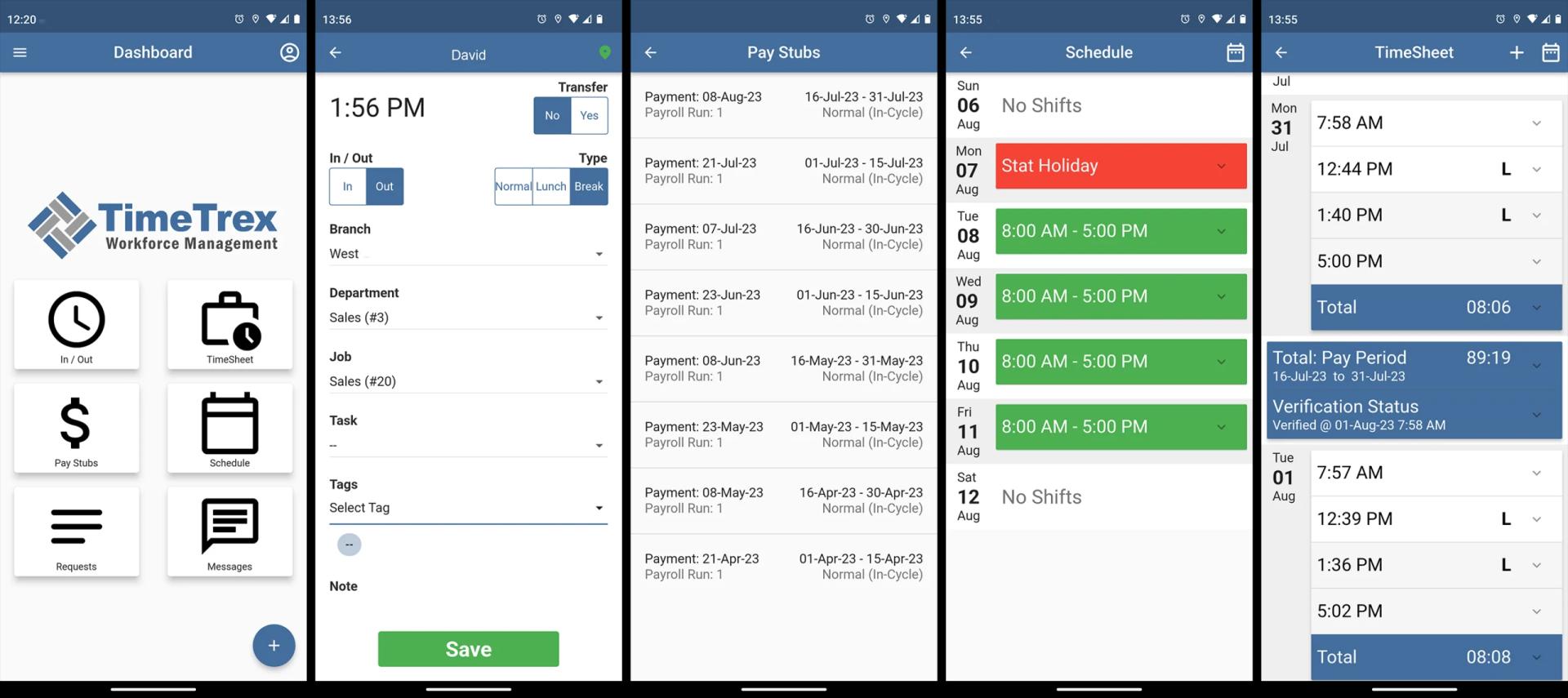
- Self-service portals allow employees to access payslips, update personal details, and track leave balances—all without going through HR.
- Enhanced Decision-Making:
- Real-time analytics give business owners insight into labor costs, turnover rates, and productivity metrics, leading to smarter decisions.
- Data Centralization:
- A unified platform ensures that all employee data—attendance, performance, and payroll—is stored in one secure place, simplifying access and management.
Top Tips to Help You Choose the Right Solution
Selecting the ideal system requires a bit of planning. Here are a few actionable tips:
- Assess Your Business Size and Needs:
- A startup with ten employees won’t have the same requirements as a growing company with fifty. Determine what functions you need most—whether it’s payroll automation, onboarding, or time tracking.
- Set a Budget:
- While it’s tempting to choose the cheapest option, investing in a reliable solution ensures long-term benefits. Evaluate both upfront costs and ongoing subscription fees.
- Take Advantage of Free Trials:
- Most software providers offer demos or trial periods. Use these to explore the features and test usability before committing.
- Check for Customer Support:
- Reliable customer service is crucial. Choose a vendor that provides 24/7 support via chat, phone, or email.
- Read Reviews and Get Recommendations:
- Look for testimonials or feedback from other small business owners in your industry. Real-world experiences can help you make a confident decision.
Popular Payroll and HRM Solutions to Consider
Some of the most trusted platforms for small businesses include:
- Gusto: Great for startups, offering easy payroll processing and employee benefits management.
- ADP: Known for scalability and compliance features, ideal for growing businesses.
- Paychex: Offers comprehensive HR tools alongside payroll management.
- QuickBooks Payroll: Perfect for businesses already using QuickBooks for accounting.
- BambooHR: A top choice for HR management with employee engagement and performance tracking tools.
Each of these tools offers unique strengths, so evaluate them based on your company’s goals and workflow.
Future Trends in Payroll and HRM Software
The world of HR and payroll management is evolving rapidly. Artificial intelligence (AI), machine learning, and predictive analytics are shaping the future of employee management. Cloud-based systems are becoming the norm, offering flexibility and accessibility from any location.
Automation will continue to grow, reducing the workload for HR professionals while improving accuracy. Mobile-friendly platforms and self-service portals will empower employees to manage their data independently, promoting transparency and satisfaction.
Final Thoughts
Managing payroll and HR doesn’t have to be a headache. With the right software, even small businesses can operate with the efficiency of large corporations. Take the time to find the best payroll and HRM software for your small business—one that automates repetitive tasks, ensures compliance, and boosts employee satisfaction.
When chosen wisely, the right solution will not only streamline your administrative duties but also pave the way for sustainable business growth. Investing in reliable payroll and HRM software is more than a convenience—it’s a strategic step toward building a smarter, more efficient workplace.



























Sign in to leave a comment.