

Single-Phase vs. Three-Phase EV Chargers: What You Need to Know
Electric vehicle (EV) chargers play a critical role in enabling the shift to electric mobility. Among the various charging options, single-phase and three-phase EV chargers are two of the most commonly discussed. Understanding the differences between these two types can help you choose the most suitable solution for your home, business, or fleet.
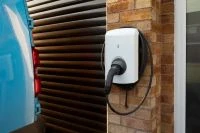
Home EV Charging: The Basics
Single-Phase EV Chargers
Single-phase chargers use a single alternating current (AC) waveform and are standard in most residential settings. These chargers typically deliver between 3.7 kW and 7.4 kW, which translates to 3.7 to 7.4 kWh of energy added per hour—enough for overnight charging.
- Power Range: 3.6 kW to 9.6 kW
- Current Draw: 15 to 40 amps on a single hot wire
- Ideal For: Daily residential use, overnight charging
- Compatibility: Works with standard home electrical systems
Though not as fast as three-phase chargers, single-phase units are widely compatible and cost-effective for most EV owners.
Three-Phase EV Chargers
Three-phase chargers operate on three AC waveforms, which are typically available in commercial environments and some high-powered residential setups. These chargers can deliver from 11 kW up to 22 kW or more, enabling significantly faster charging times.
- Power Range: 11 kW to 22 kW
- Current Draw: 5.2 to 31 amps over three hot wires
- Ideal For: Commercial installations, fast home charging (if infrastructure allows)
- Load Distribution: Balanced across three phases for grid efficiency
Three-phase chargers are ideal for those needing quicker turnaround times or managing multiple EVs.
Single-Phase vs. Three-Phase: Key Differences
FeatureSingle-Phase ChargerThree-Phase ChargerCharging SpeedSlower (3.7–7.4 kWh/hour)Faster (11–22+ kWh/hour)Setup LocationStandard homesCommercial sites or special homesInstallation CostLowerHigher (especially without 3-phase supply)Power Supply NeededOne hot wireThree hot wiresBest ForDaily residential chargingFleets, fast charging needs
Understanding kWh Ratings
The kilowatt-hour (kWh) rating tells you how much energy your charger delivers per hour. For example:
- A 7.4 kW single-phase charger delivers 7.4 kWh in an hour.
- A 22 kW three-phase charger delivers 22 kWh in an hour.
This difference can significantly impact how quickly your EV is ready to go.
Charging Cable Compatibility
Can You Use a Three-Phase Cable with a Single-Phase Charger?
Yes. Three-phase EV cables are backward compatible with single-phase setups, making them a flexible investment. However, single-phase cables cannot be used with three-phase chargers.
Tip: Choose a cable that matches or exceeds your home charger’s output to ensure performance and longevity.
Types of EV Charging Cables
Type 1 Charging Cables
- Design: Single-phase only
- Max Output: 7.4 kW
- Common Vehicles: Kia Soul EV, Citroën C-Zero, Peugeot iOn
- Use Case: Basic residential charging
- Limitation: Limited to older or specific EV models
Type 2 Charging Cables
- Design: Supports single-phase and/or three-phase charging
- Max Output: Up to 22 kW (or higher, depending on cable)
- Use Case: Versatile—works across residential and commercial settings
- Tip: For three-phase charging stations and compatible vehicles, always opt for a three-phase Type 2 cable for optimal performance.
Conclusion
Choosing between single-phase and three-phase EV chargers depends on your specific needs, budget, and infrastructure:
- Single-phase chargers are perfect for everyday residential use—cost-effective, widely compatible, and suitable for overnight charging.
- Three-phase chargers are ideal for fast charging, businesses, and high-demand users—offering rapid power delivery but requiring more robust infrastructure.
Your charging cable should also match your setup to ensure safe, efficient, and future-ready charging. With a clear understanding of charger types and cable compatibility, you can make a smart, informed choice that enhances your EV experience.Know more about Google SEO Directory



















Sign in to leave a comment.