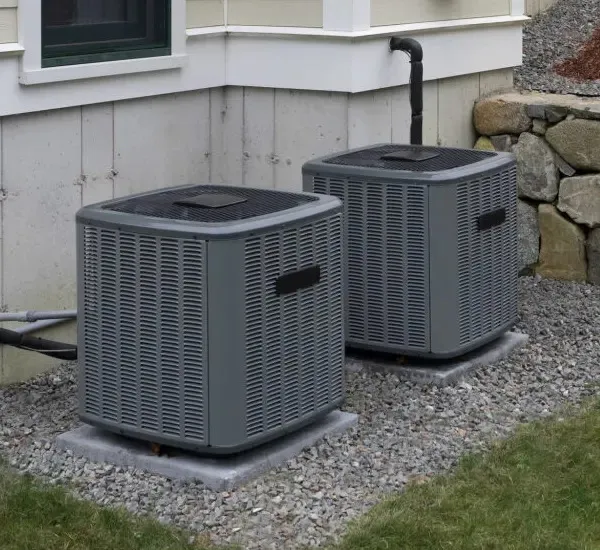

While professional HVAC Tune-Up Services are essential for long-term health, the daily operation of your climate control system relies heavily on proactive small-scale maintenance. In the humid, salt-prone environment of Northeast Florida, these minor habits significantly reduce mechanical stress and keep your utility bills from ballooning during the peak summer months.
Here are the most effective steps you can take to support your system's performance between professional visits.
1. Master the Air Filter Cycle
Your air filter is the most important component for system longevity. When a filter clogs with dust, pollen, or pet dander, it creates a "choke point" that forces the blower motor to pull against extreme resistance.
- The 30-Day Rule: In our region, check your 1-inch pleated filter every 30 days. If you have multiple pets, larger family sizes, or live near dusty construction, you may need to replace it monthly.
- The "Hold-to-Light" Test: If you hold your filter up to a light source and cannot see light passing through the mesh, it is time for a replacement.
- Impact: A clean filter reduces blower motor strain, prevents indoor evaporator coil icing, and ensures that the air quality in your home remains high.
2. Maintain "Condenser Clearance"
Your outdoor condenser unit acts as a massive heat radiator. It must move a high volume of air through its metal fins to dump the heat it has collected from inside your home.
- The 2-Foot Buffer: Ensure there is at least two feet of clear space on all sides of your outdoor unit. Overgrown shrubs, stacked firewood, or outdoor storage bins can cause "air recirculation"—where the unit pulls its own hot exhaust air back through the coils, causing the compressor to overheat.
- The Monthly Rinse: Every month, use a garden hose to gently rinse the outdoor condenser fins from top to bottom. This washes away salt crust and windblown debris. Crucial warning: Never use a pressure washer; the high force will bend the delicate aluminum fins and permanently damage airflow.
3. Keep an Eye on the Condensate Drain
High humidity means your air conditioner pulls gallons of water out of your indoor air every day. This water travels through a small PVC pipe leading outside.
- The "Drip" Test: When your system is running on a hot day, go outside and look for a steady drip from the PVC condensate line. If it is dry, or if you notice water pooling around the base of your indoor unit, you have a clog.
- Prevention: Algae and slime naturally grow in these damp, dark lines. If you notice a clog, a small amount of distilled white vinegar poured into the drain access point (usually found inside the indoor air handler unit) can help keep the line clear.
The "Checklist" for Reliable Performance
┌────────────────────────────────────────────────────────┐ │ Monthly Homeowner Care Routine │ └───────────────────────────┬────────────────────────────┘ │ ┌─────────────────────────┴─────────────────────────┐ ▼ ▼ ┌─────────────────────────────────┐ ┌─────────────────────────────────┐ │ Internal Tasks │ │ External Tasks │ ├─────────────────────────────────┤ ├─────────────────────────────────┤ │ • Check filter (30-day cycle) │ │ • Inspect for vegetation growth │ │ • Listen for odd startup sounds │ │ • Gentle water rinse of coils │ │ • Clear supply/return vents │ │ • Verify condensate drip point │ └─────────────────────────────────┘ └─────────────────────────────────┘
Frequently Asked Questions
Why shouldn't I use a pressure washer on my outdoor unit?
The aluminum fins on your condenser unit are incredibly thin and delicate. A pressure washer uses far too much force and will instantly "lay over" or crush the fins. This creates a wall that blocks air from entering the unit, which will cause your compressor to run at dangerously high temperatures and significantly increase your electrical consumption.
Does keeping my interior doors closed affect the HVAC system?
Yes. If you close too many bedroom or office doors, you create a "pressure imbalance." The return air ducts cannot pull enough air back from the sealed rooms, causing the system to work harder to move air. If you prefer closed doors for privacy, ensure there is at least a 1-inch gap under the door so air can return to the central hallway and get filtered by the system.
How often should I actually change my 1-inch filters?
In Florida, the "90-day" label on most filter boxes is optimistic. Because our systems run almost year-round to combat both heat and humidity, they circulate air through the filter much more frequently than in northern climates. Most homes in our area find that changing their filters every 30 to 45 days is the "sweet spot" for maintaining both system efficiency and indoor air quality.
What should I do if I see ice on the copper lines?
If you see ice or frost buildup on the copper refrigerant lines (the insulated pipes leading into your indoor unit), turn off the system immediately and call for a professional tune-up. Ice is a symptom of either low refrigerant or restricted airflow. If you keep the system running, you risk causing a "liquid slugging" event, which can physically destroy your compressor and turn a minor maintenance issue into a major replacement project.
Why do I need to keep vegetation away from the outdoor unit?
Coastal Florida vegetation grows aggressively. If bushes or vines touch the condenser, they act as a "wick" for moisture, which speeds up corrosion on the metal cabinet. Furthermore, as the leaves grow into the unit, they get sucked against the coils, acting like a blanket that traps heat and prevents the system from cooling your home effectively.































Sign in to leave a comment.