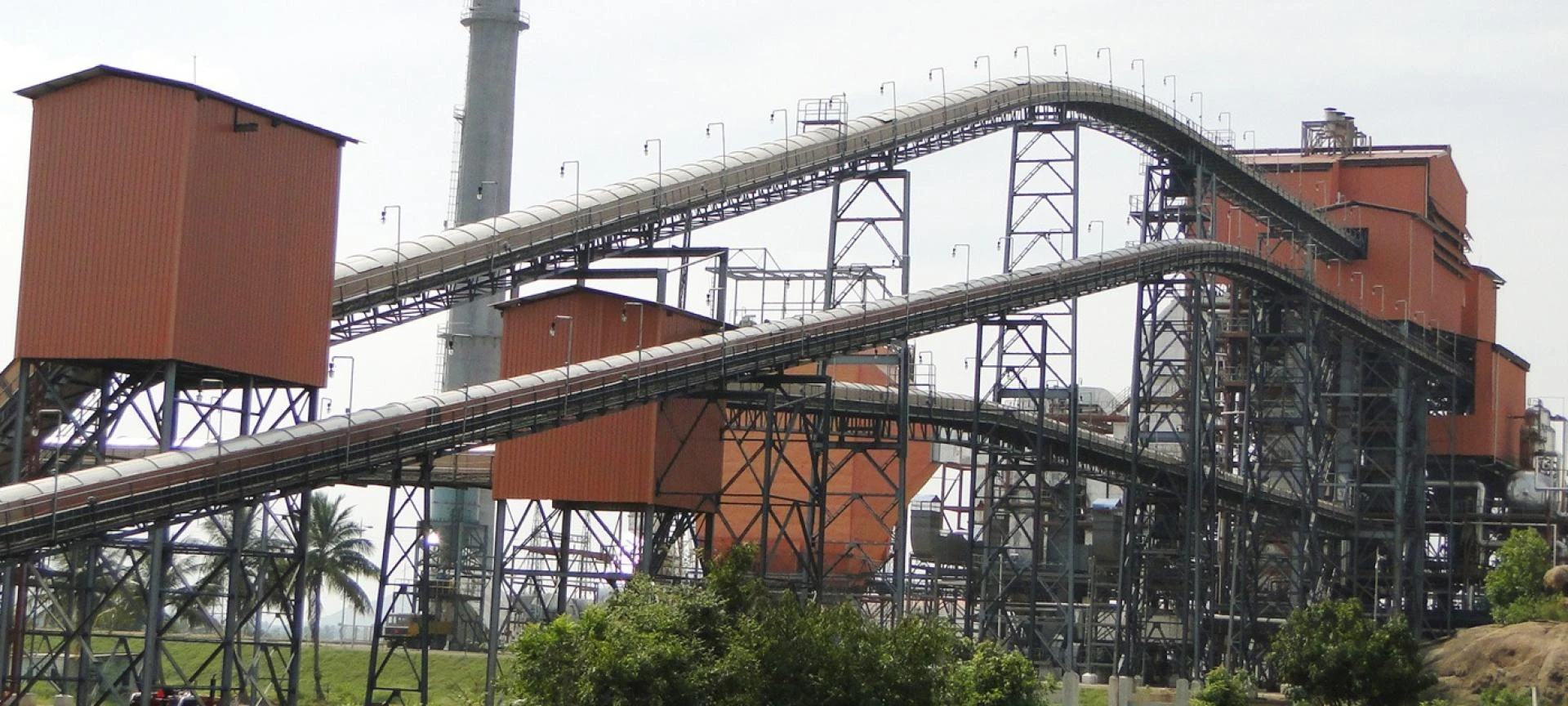
India’s infrastructure, mining, power, and manufacturing sectors are undergoing a rapid transformation driven by automation and intelligent engineering. As industries scale operations and demand higher efficiency, smart automation has emerged as a defining force in modern bulk material handling systems. This evolution is not only improving throughput and safety but also reshaping how large industrial facilities design, operate, and maintain their material flow ecosystems.
For bulk material handling equipment manufacturers, automation is no longer a value addition—it has become a strategic necessity.
The Shift from Manual to Intelligent Systems
Traditionally, bulk material handling relied heavily on mechanical systems with significant manual oversight. While functional, these setups often led to inefficiencies, higher downtime, and safety risks. The current shift is toward sensor-driven, automated systems capable of real-time decision-making.
Automation integrates programmable logic controllers (PLCs), variable frequency drives (VFDs), and industrial IoT platforms to create synchronized operations across conveyors, stackers, reclaimers, hoppers, and silos. These technologies allow facilities to respond dynamically to load variations, material characteristics, and operational bottlenecks.
Role of Data and Predictive Intelligence
One of the most significant advancements in bulk material handling is predictive maintenance. Sensors embedded across equipment continuously monitor vibration, temperature, belt alignment, and load stress. The collected data is analyzed to predict component wear and potential failures before they cause operational disruptions.
Midway through system planning and execution, experienced partners such as bulk material handling equipment manufacturers play a critical role in aligning automation strategies with real-world operating conditions. Their engineering expertise ensures that digital intelligence complements mechanical robustness rather than complicating it.
Automation Enhancing Safety and Compliance
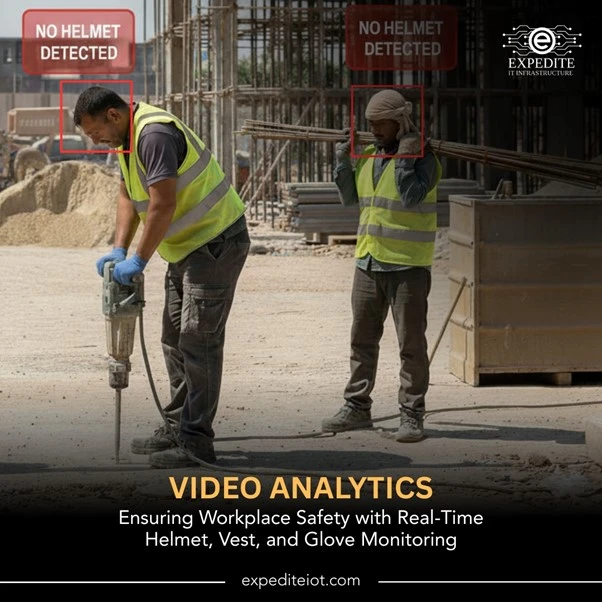
Industrial safety standards in India are becoming increasingly stringent, especially in sectors such as cement, steel, ports, and power plants. Automation directly addresses safety concerns by reducing human intervention in hazardous zones. Automated material feeding, discharge control, and emergency shut-off mechanisms significantly lower accident risks.
In addition, automated dust suppression systems and enclosed material transfer points help facilities meet environmental compliance norms. These systems are particularly valuable in industries handling coal, clinker, ore, or fine powders.
Integration with Structural Engineering
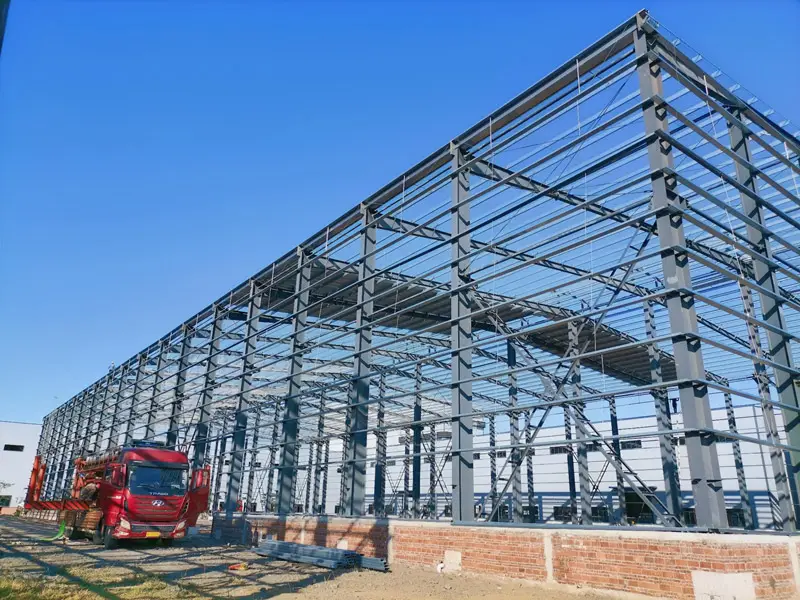
Automation in bulk material handling cannot function in isolation. It must be supported by precision-engineered structures capable of handling dynamic loads and continuous operation. This is where collaboration with expert structural steel fabricators becomes essential.
Well-designed gantries, trestles, transfer towers, and equipment supports ensure stability and longevity of automated systems. Structural accuracy directly impacts sensor calibration, conveyor alignment, and overall system reliability.
Industry-Specific Customization
Another emerging trend is the customization of automated solutions based on industry-specific requirements. For example:
- Ports require high-speed, corrosion-resistant systems with automated ship loaders.
- Mining operations prioritize rugged automation capable of handling abrasive materials.
- Power plants focus on uninterrupted fuel feeding with minimal downtime.
Automation strategies are increasingly tailored, rather than standardized, ensuring optimal return on investment for each facility.
Long-Term Operational Benefits
While automated bulk material handling systems require higher upfront investment, the long-term benefits are substantial. Reduced manpower dependency, lower maintenance costs, improved energy efficiency, and consistent material flow contribute to faster project payback periods.
Furthermore, automation enables scalability. As production demands increase, systems can be upgraded through software and modular additions rather than complete mechanical overhauls.
Conclusion
Smart automation is redefining the future of bulk material handling in India. As industries push toward higher productivity, sustainability, and safety, the integration of intelligent systems with robust engineering will become the industry benchmark. Organizations that invest early in automation-driven material handling infrastructure will gain a decisive operational advantage in the years ahead.
For manufacturers and industrial operators alike, partnering with experienced engineering firms ensures that automation is implemented not just as technology, but as a long-term strategic asset.










![The Benefits of Using a CNC Touch Probe [Infographic]](https://writeupcafe.com/data/post/1677697/bfdf3e040e67936848aa232d2dfe3d03.jpg.webp)









Sign in to leave a comment.