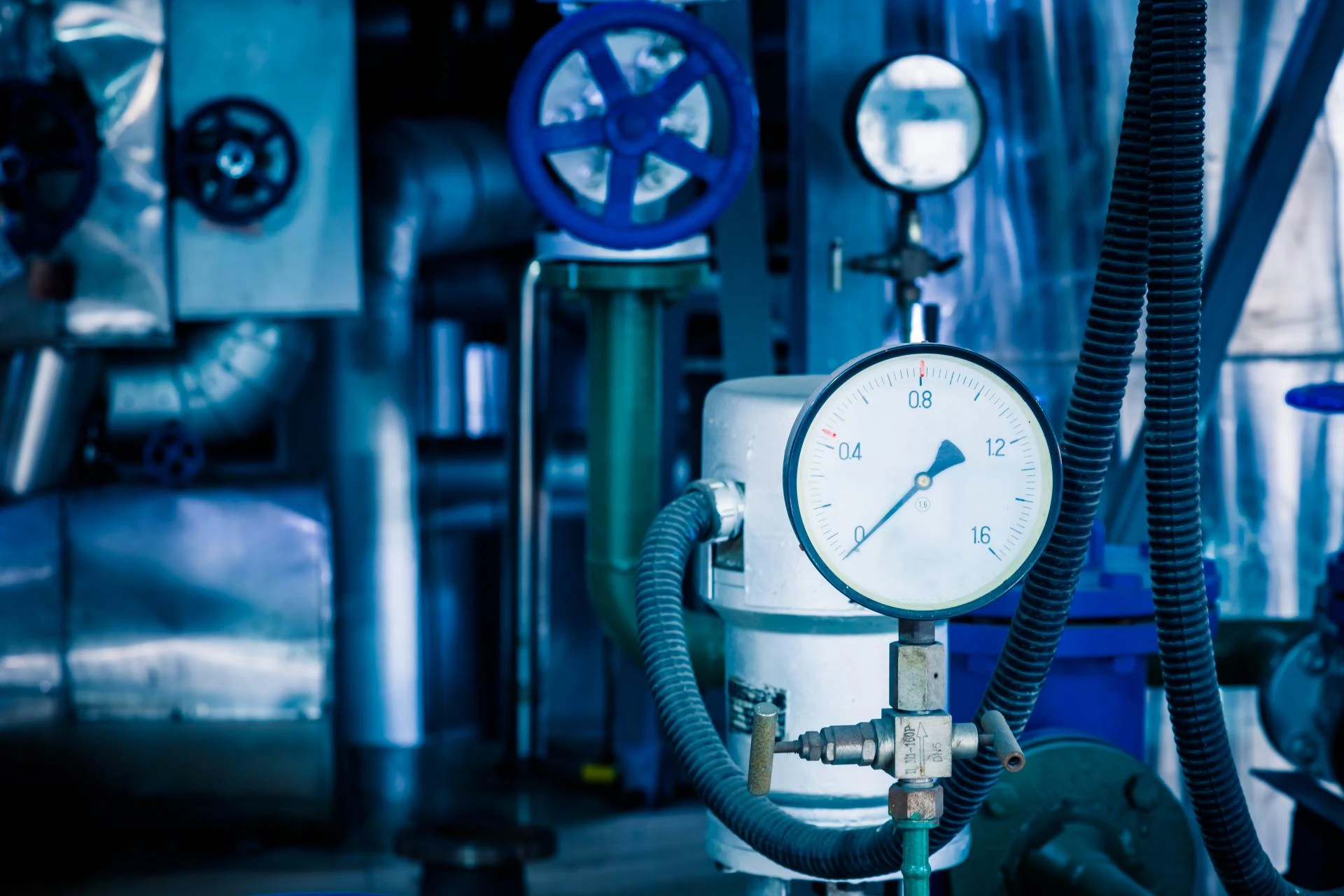

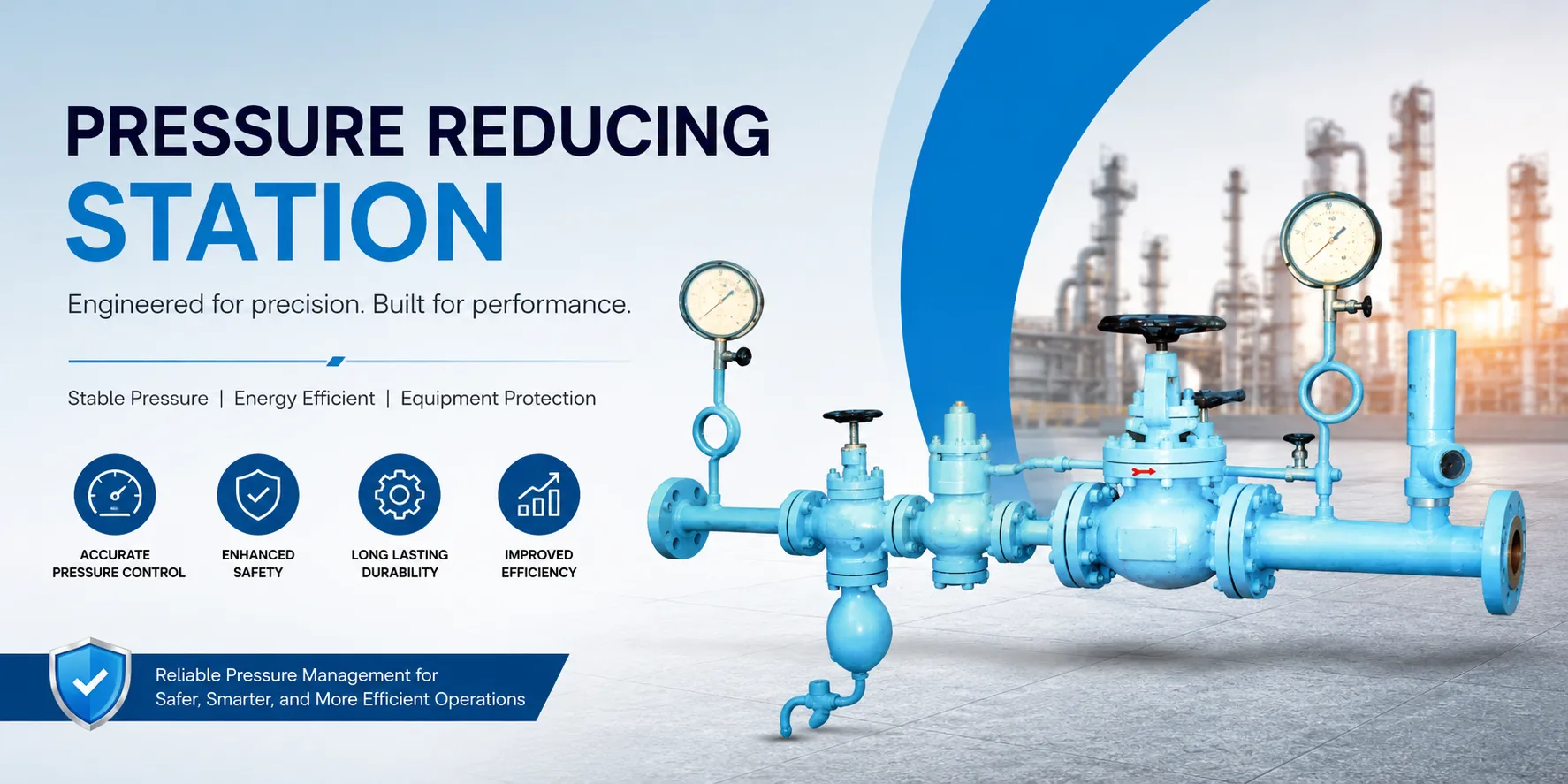
In every industrial process, controlling pressure is critical. Too high a pressure can damage equipment, create safety hazards, or disrupt operations. Too low a pressure can reduce efficiency and compromise process quality. Traditionally, industries relied on conventional Pressure Reducing Stations (PRS) to maintain the desired pressure in steam, gas, or fluid pipelines. These systems have served industries well, but as technology and industrial demands evolve, a smarter, more optimized solution is needed. This is where Smart PRS Stations come into play.
What is a Smart PRS Station?
A Smart PRS Station is an advanced pressure control system that combines traditional PRS components—such as pressure reducing valves (PRVs), safety valves, gauges, and regulators—with modern digital technology. These smart stations are equipped with sensors, automated control systems, and communication interfaces, allowing them to monitor, regulate, and report pressure in real-time.
Unlike conventional PRS systems, which require frequent manual adjustments and periodic monitoring, smart PRS stations can adjust pressure automatically, alert operators to abnormal conditions, and even predict maintenance needs. In short, they make industrial pressure management safer, more efficient, and highly reliable.
Key Components of a Smart PRS Station
- Pressure Reducing Valves (PRVs): The main component that reduces high upstream pressure to a safe and stable downstream pressure.
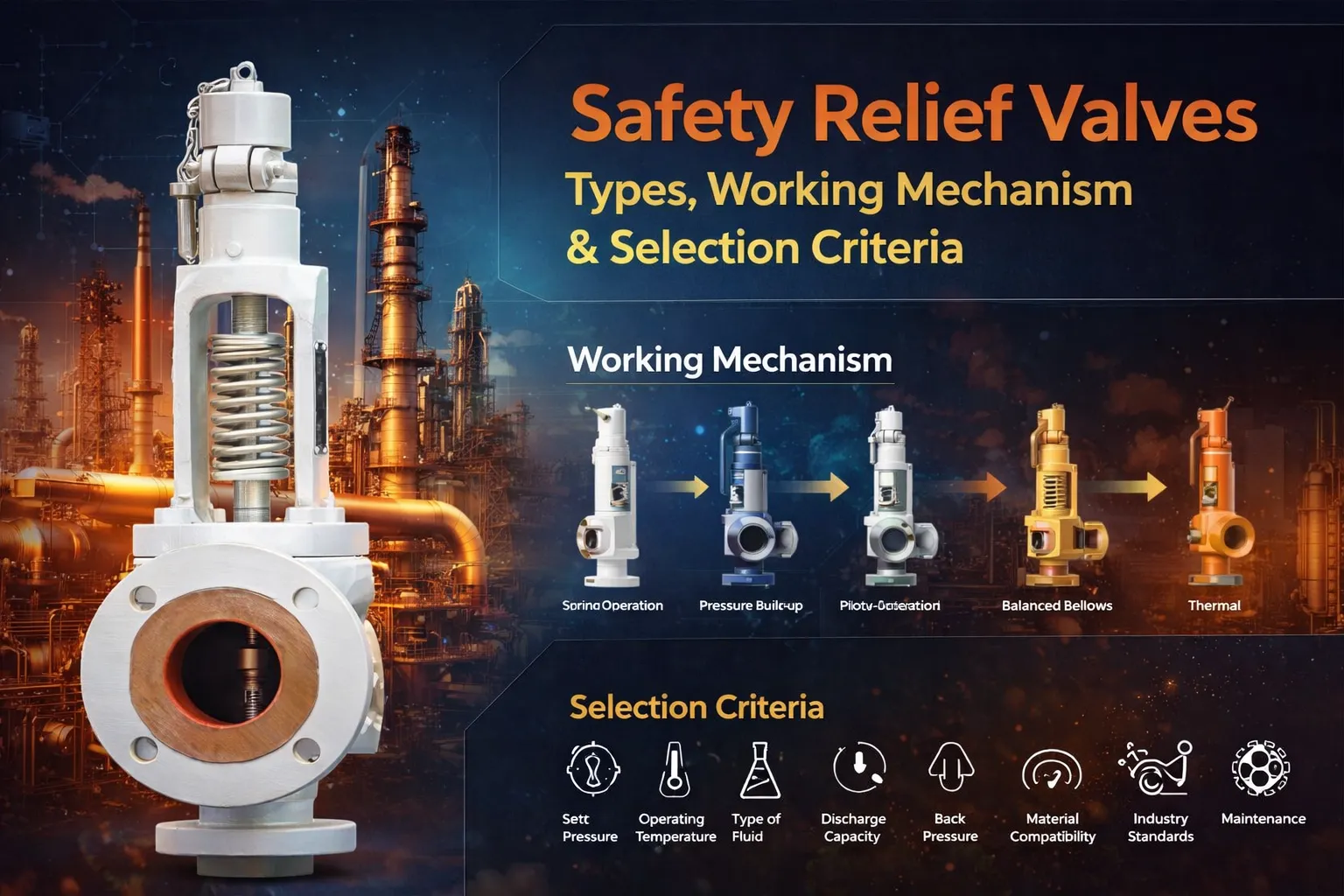
- Safety Valves: Protect the system from overpressure conditions by releasing excess pressure automatically.
- Sensors and Transmitters: Measure pressure, temperature, and flow in real-time and send data to a control system.
- Control System: Processes data from sensors and adjusts valves automatically to maintain optimal pressure.
- Alarm Systems: Notify operators instantly in case of abnormal pressure, leaks, or equipment malfunction.
How Smart PRS Stations Work
The working principle of a smart PRS station is simple yet highly efficient:
- Monitoring: Sensors continuously monitor upstream and downstream pressure, temperature, and flow.
- Analysis: The control system compares real-time readings with preset values.
- Adjustment: If the pressure deviates from the desired level, the PRV is adjusted automatically to restore the correct pressure.
- Alert: If abnormal conditions persist or a fault occurs, the system triggers alarms and logs data for maintenance.
This real-time automation ensures that pressure is always optimized, reducing the risk of equipment damage, accidents, or energy wastage.
Advantages of Smart PRS Stations
Smart PRS stations offer numerous advantages over traditional systems:
- Enhanced Safety: Automatic monitoring and control prevent dangerous pressure spikes.
- Operational Efficiency: Pressure is maintained at optimal levels, improving process performance.
- Predictive Maintenance: Advanced systems can predict valve wear, leaks, or other issues, reducing downtime.
- Energy Savings: Optimized pressure control reduces energy consumption in pumping or steam generation.
- Data Logging: Continuous monitoring generates valuable operational data for analysis and optimization.
Applications of Smart PRS Stations
Smart PRS stations are used in industries where accurate and reliable pressure control is critical:
- Power Plants: Regulating steam pressure in boilers, turbines, and distribution pipelines.
- Chemical and Petrochemical Industries: Controlling pressure in reactors, pipelines, and storage tanks.
- Food and Beverage Industry: Maintaining pressure in sterilization, pasteurization, and processing systems.
- Pharmaceuticals: Ensuring precise pressure control in sensitive production and lab processes.
- Oil & Gas: Safe pressure regulation in pipelines, compressors, and distribution systems.
Why Industries Are Switching to Smart PRS Stations
The industrial landscape is moving towards digitalization, automation, and safety-first operations. Smart PRS stations align perfectly with these trends:
- They reduce human intervention, lowering the chance of error.
- They protect expensive equipment by preventing overpressure conditions.
- They improve operational efficiency by maintaining optimal pressure continuously.
- They help industries meet environmental and energy regulations by reducing energy wastage.
Future Trends in Smart PRS Stations
As technology evolves, smart PRS stations are expected to integrate with IoT (Internet of Things), AI-based predictive analytics, and remote monitoring platforms. This means industries could monitor and control pressure systems from anywhere in real-time, make data-driven decisions, and optimize maintenance schedules further.
Conclusion
Smart PRS stations are no longer just an upgrade—they are becoming a necessity for modern industrial operations. They combine the reliability of traditional pressure reducing systems with the intelligence of digital automation, ensuring safety, efficiency, and operational excellence.
Investing in a Smart PRS Station today means industries are prepared for tomorrow—safer, smarter, and more energy-efficient. Whether you run a power plant, chemical facility, or any process-based industry, a smart PRS station is a step toward the future of optimized pressure control.


























Sign in to leave a comment.