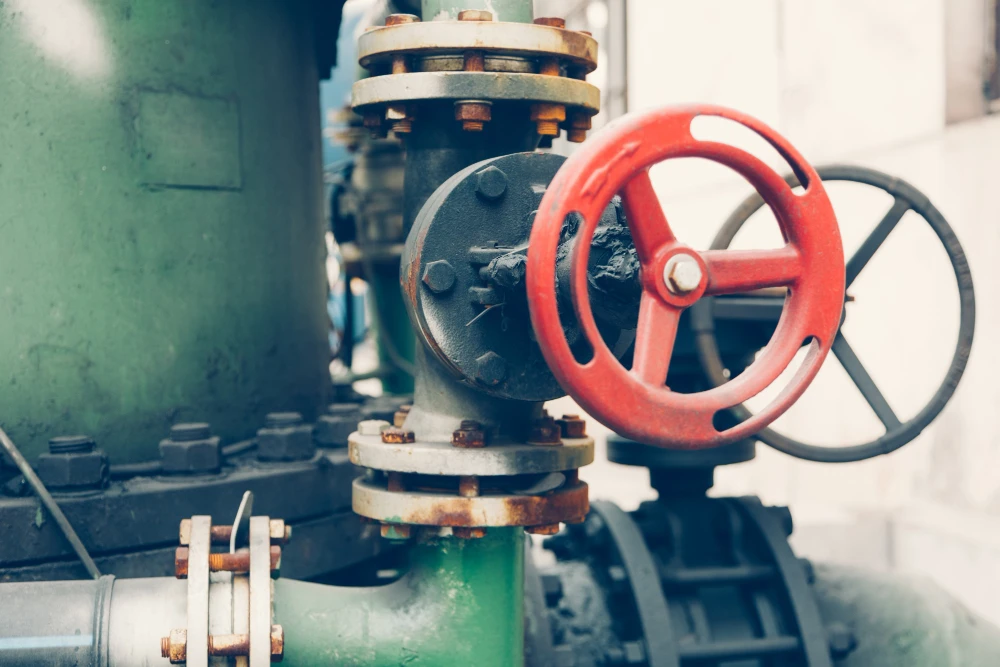

Industrial flow control systems are designed to manage the movement of liquids, gases, or steam safely and efficiently. In complex industrial environments, uninterrupted operation is critical, and even a short shutdown can result in significant financial losses. This is where a Bypass Valve becomes an essential component. It provides flexibility, protection, and operational continuity when the primary control valve cannot perform its function.
This article explains what a bypass valve is, how it works, why it is used, and how it improves safety and efficiency in industrial flow control systems-using simple language that is easy for users to understand.
Understanding the Role of a Bypass Valve
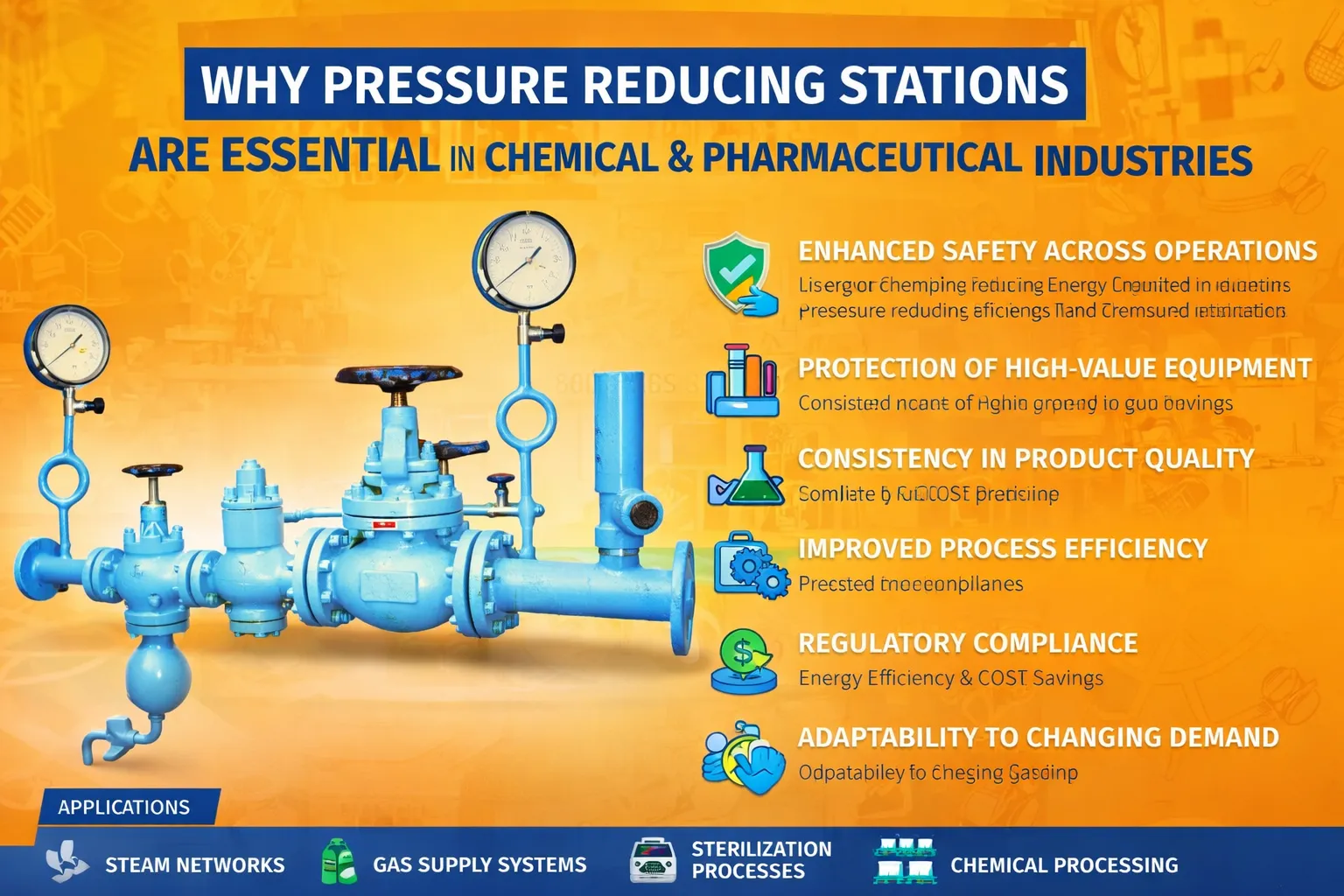
A Bypass Valve is installed alongside a main control valve within a pipeline system. Its purpose is to allow fluid to flow around the main valve rather than through it. This alternative flow path ensures that the system continues to operate even when the primary valve is closed, malfunctioning, or undergoing maintenance.
In many industrial processes, shutting down the entire system is not practical. A bypass valve allows operators to maintain controlled flow without interrupting production. This makes it an important safeguard for both equipment and processes.
Why Bypass Valves Are Essential in Industrial Applications
Industrial systems often operate under extreme pressure, temperature, and flow conditions. Sudden changes in these conditions can damage equipment, cause safety hazards, or disrupt production. A bypass valve helps manage these challenges by providing controlled flow regulation when needed.
Common reasons for using a bypass valve include:
- Maintaining flow during maintenance of the main valve
- Reducing pressure buildup during startup or shutdown
- Preventing damage caused by sudden pressure surges
- Ensuring continuous operation in critical processes
By offering a controlled alternative path, a bypass valve increases system reliability and operational safety.
How a Bypass Valve Works Step by Step
Under normal operating conditions, fluid flows through the primary control valve. The bypass valve remains closed or partially closed, depending on system design. When a specific situation arises—such as excessive pressure, temperature variation, or maintenance requirements—the bypass valve is opened.
Once opened, the bypass valve redirects part or all of the flow around the main valve. This allows operators to regulate flow manually or automatically while keeping the system running smoothly. After the main valve is restored to normal operation, the bypass valve can be gradually closed to return the system to its original state.
This controlled transition prevents sudden shocks to the system and protects downstream equipment.
Manual vs. Automated Bypass Valves
Bypass valves can be operated manually or automatically, depending on system complexity and operational needs.
Manual bypass valves are typically used during maintenance or emergencies. Operators adjust them by hand to regulate flow. These are simple, cost-effective, and reliable for many industrial applications.
Automated bypass valves are integrated with control systems and sensors. They respond automatically to changes in pressure, temperature, or flow rate. This type is ideal for systems that require precise control and fast response times, especially in high-risk or continuous-operation environments.
Common Industrial Uses of a Bypass Valve
A Bypass Valve is widely used across multiple industries, including:
- Power generation plants
- Oil and gas processing facilities
- Chemical and petrochemical plants
- Water and wastewater treatment systems
- Pharmaceutical manufacturing
- Food and beverage processing
In each of these industries, bypass valves help maintain steady operation, protect equipment, and enhance process control under varying operating conditions.
Benefits of Using a Bypass Valve
Installing a bypass valve offers several important advantages:
Improved System Reliability
By allowing continuous flow during maintenance or unexpected valve failure, bypass valves minimize downtime and prevent costly production interruptions.
Enhanced Equipment Protection
Controlled flow diversion reduces pressure spikes and thermal stress, extending the lifespan of valves, pipes, and other components.
Operational Flexibility
Operators can adjust flow conditions without shutting down the system, making it easier to handle startups, shutdowns, and load changes.
Increased Safety
By managing excess pressure or flow, bypass valves help prevent accidents, leaks, and equipment damage.
Factors to Consider When Selecting a Bypass Valve
Choosing the right bypass valve depends on several factors:
- Operating pressure and temperature
- Type of fluid (liquid, gas, or steam)
- Required flow capacity
- Manual or automatic operation
- Industry safety standards and regulations
Proper selection ensures optimal performance and long-term reliability of the flow control system.
Maintenance and Best Practices
Regular inspection and maintenance are essential to ensure the bypass valve functions correctly. Operators should check for leaks, corrosion, and proper valve movement. Keeping the valve clean and properly lubricated helps maintain smooth operation and prevents unexpected failures.
Training operators on correct usage and gradual opening or closing of the bypass valve is also important to avoid system shock or damage.
Conclusion
A Bypass Valve is a crucial component in industrial flow control systems, providing safety, reliability, and uninterrupted operation. By allowing controlled flow diversion around the main valve, it protects equipment, supports maintenance activities, and ensures smooth system performance under changing conditions. In advanced industrial applications, such as power generation, systems may also use a Turbine Bypass Valve to manage extreme pressure and temperature variations while safeguarding critical infrastructure.

























Sign in to leave a comment.