

Healthcare is no longer just about clinical expertise—it’s about how effectively technology enables care delivery, decision-making, and patient engagement. Today, software development technology is at the core of this transformation, powering everything from virtual consultations to AI-driven diagnostics.
In 2026, the conversation shifted. It’s not whether healthcare organizations should invest in technology—but which software development technology stack will define their future.
The Role of Software Development Technology in Modern Healthcare
Modern healthcare ecosystems demand speed, interoperability, and precision. Traditional systems—often siloed and rigid—fail to meet these expectations.
This is where software development technology becomes critical. It enables:
- Real-time data exchange across systems
- Scalable digital health platforms
- Enhanced patient engagement tools
- Intelligent clinical decision support
In short, the right technology foundation determines whether healthcare providers can deliver connected, value-based care.
Key Trends in Software Development Technology Transforming Healthcare
1. AI-Driven Development and Clinical Intelligence
Artificial Intelligence is no longer an experimental layer—it’s embedded into core healthcare applications.
Modern software development technology integrates AI to:
- Automate clinical workflows
- Predict patient risks and outcomes
- Enhance diagnostic accuracy
- Enable personalized treatment plans
From NLP-based medical documentation to predictive analytics, AI is redefining how software is built and used in healthcare.
2. Cloud-Native Architecture for Scalability
Healthcare organizations are rapidly moving away from on-premises systems toward cloud-native environments.
Cloud-based software development technology offers:
- Elastic scalability for growing patient data
- Faster deployment cycles
- Improved disaster recovery and data security
- Cost optimization through pay-as-you-go models
This shift is especially critical for telehealth platforms and remote care systems that require high availability.
3. Interoperability Through APIs and FHIR Standards
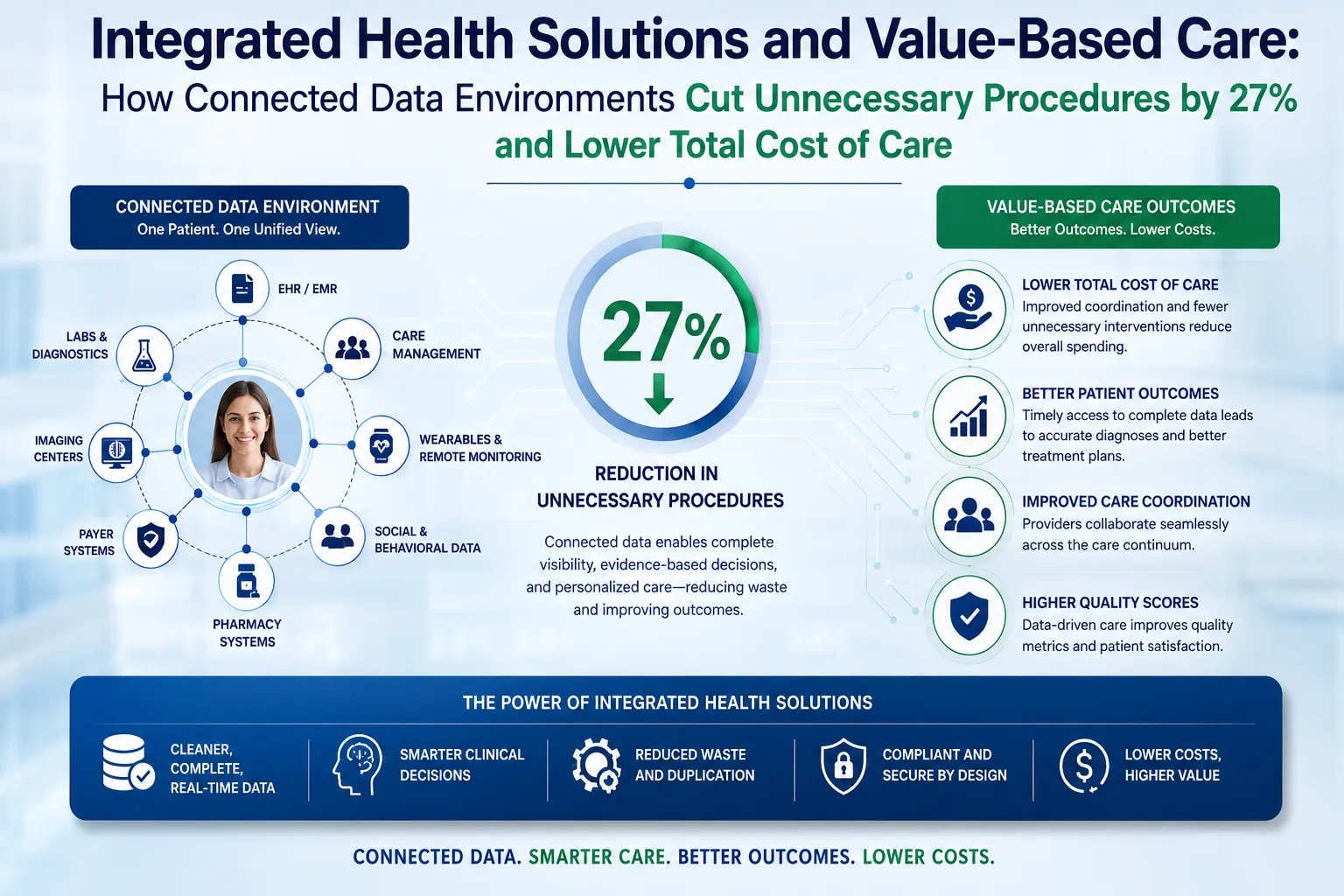
One of the biggest challenges in healthcare has been fragmented data. Modern software development technology addresses this through interoperability frameworks.
Key advancements include:
- FHIR-based APIs for seamless data exchange
- Integration of EHR, EMR, and third-party applications
- Real-time patient data accessibility across systems
This enables a unified patient view, which is essential for coordinated and efficient care delivery.
4. Rise of Microservices Architecture
Monolithic healthcare systems are being replaced by modular, microservices-based architectures.
With microservices, software development technology allows:
- Independent deployment of features
- Faster innovation cycles
- Improved system resilience
- Easier integration with external tools
This approach is particularly beneficial for large healthcare enterprises managing complex systems.
5. Low-Code and No-Code Platforms
To accelerate development, healthcare organizations are adopting low-code platforms.
These modern software development technology solutions help:
- Reduce development time
- Enable rapid prototyping
- Allow non-technical stakeholders to contribute
- Lower overall development costs
However, they are best used alongside traditional development for mission-critical applications.
6. Enhanced Cybersecurity Frameworks
With increasing digital adoption comes higher security risks. Healthcare data is highly sensitive, making cybersecurity a top priority.
Advanced software development technology incorporates:
- End-to-end encryption
- Zero-trust security models
- Role-based access control
- Continuous threat monitoring
Security is no longer an afterthought—it’s built into the development of lifecycle.
7. Integration of IoT and Wearable Devices
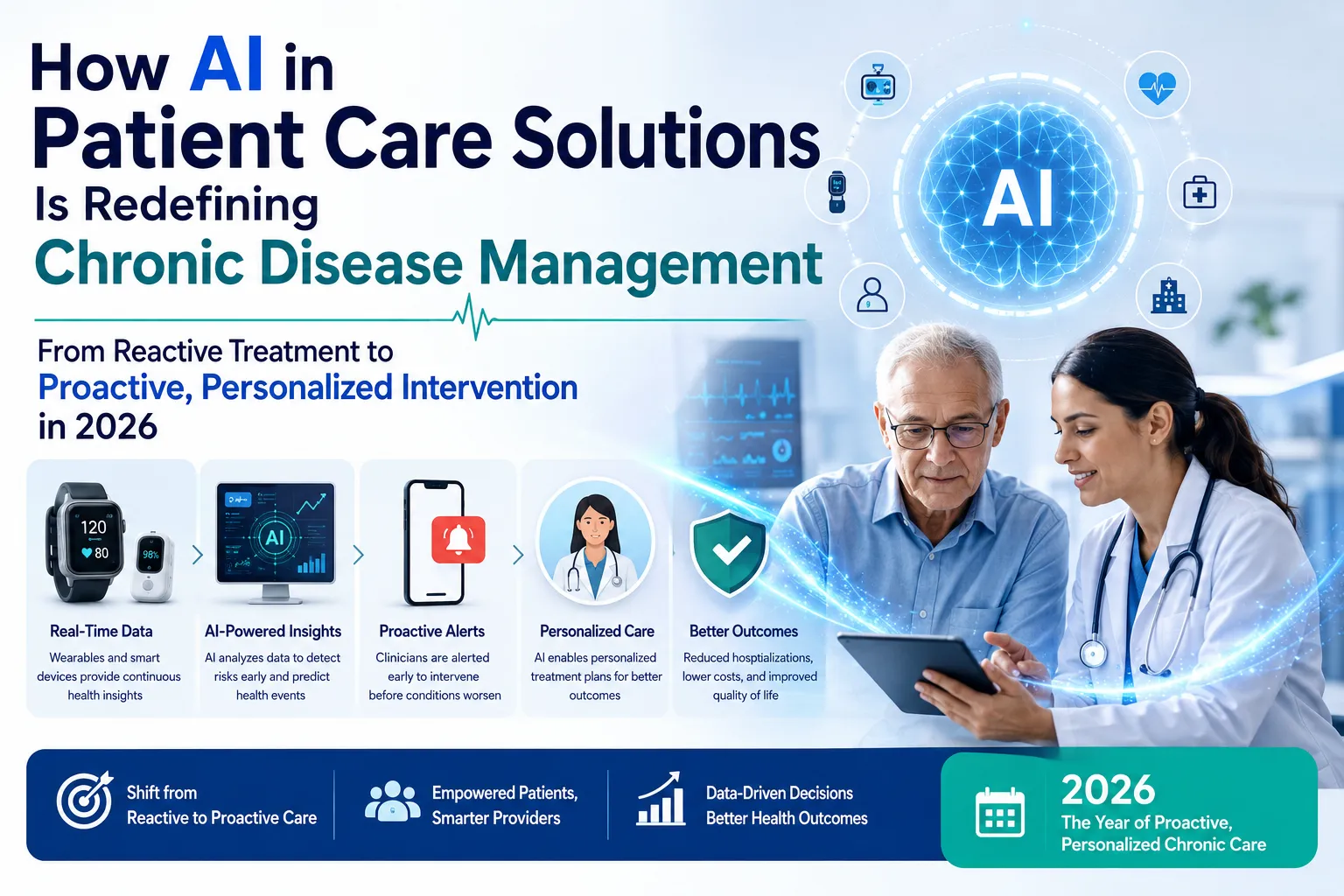
Connected devices are transforming patient monitoring and chronic disease management.
Modern software development technology enables:
- Real-time data collection from wearables
- Remote patient monitoring (RPM) systems
- Integration with clinical workflows
- Proactive care interventions
This trend is crucial for shifting from reactive to preventive healthcare models.
8. DevOps and Continuous Delivery in Healthcare
Speed and reliability are critical in healthcare software. DevOps practices are becoming standard.
By adopting DevOps-driven software development technology, organizations achieve:
- Faster release cycles
- Improved software quality
- Continuous integration and testing
- Reduced downtime and errors
This ensures that healthcare applications remain up-to-date and efficient.
Challenges in Adopting Software Development Technology in Healthcare
Despite the benefits, implementation is not without hurdles:
- Legacy system constraints
- Regulatory compliance (HIPAA, GDPR, etc.)
- Data migration complexities
- High initial investment costs
- Resistance to change among stakeholders
Organizations must address these strategically to unlock full value.
How to Choose the Right Software Development Technology
Selecting the right approach requires a balance between innovation and practicality.
Key considerations include:
- Scalability and future readiness
- Interoperability capabilities
- Security and compliance alignment
- Integration with existing systems
- Total cost of ownership
A well-defined technology strategy ensures long-term success.
The Future of Software Development Technology in Healthcare
Looking ahead, software development technology will continue to evolve toward:
- AI-first healthcare ecosystems
- Hyper-personalized patient experiences
- Autonomous clinical workflows
- Real-time, data-driven decision-making
Organizations that invest in modern technology today will be the ones leading the healthcare landscape tomorrow.
Conclusion
The transformation of healthcare is fundamentally a technology story. At its core lies software development technology, enabling smarter systems, better patient outcomes, and more efficient operations.
For healthcare providers, payers, and digital health innovators, the message is clear:
The right technology stack is no longer a competitive advantage—it’s a necessity.






























Sign in to leave a comment.