
The integration of solar power, battery storage, and electric vehicles (EVs) is revolutionising the way we produce, store, and use energy. This unified system offers a sustainable and efficient approach to energy management, with significant benefits for households, businesses, and the environment. In this article, we explore how these technologies work together to create a cohesive energy ecosystem.
The Synergy of Solar Power, Battery Storage, and EVs
Solar Power
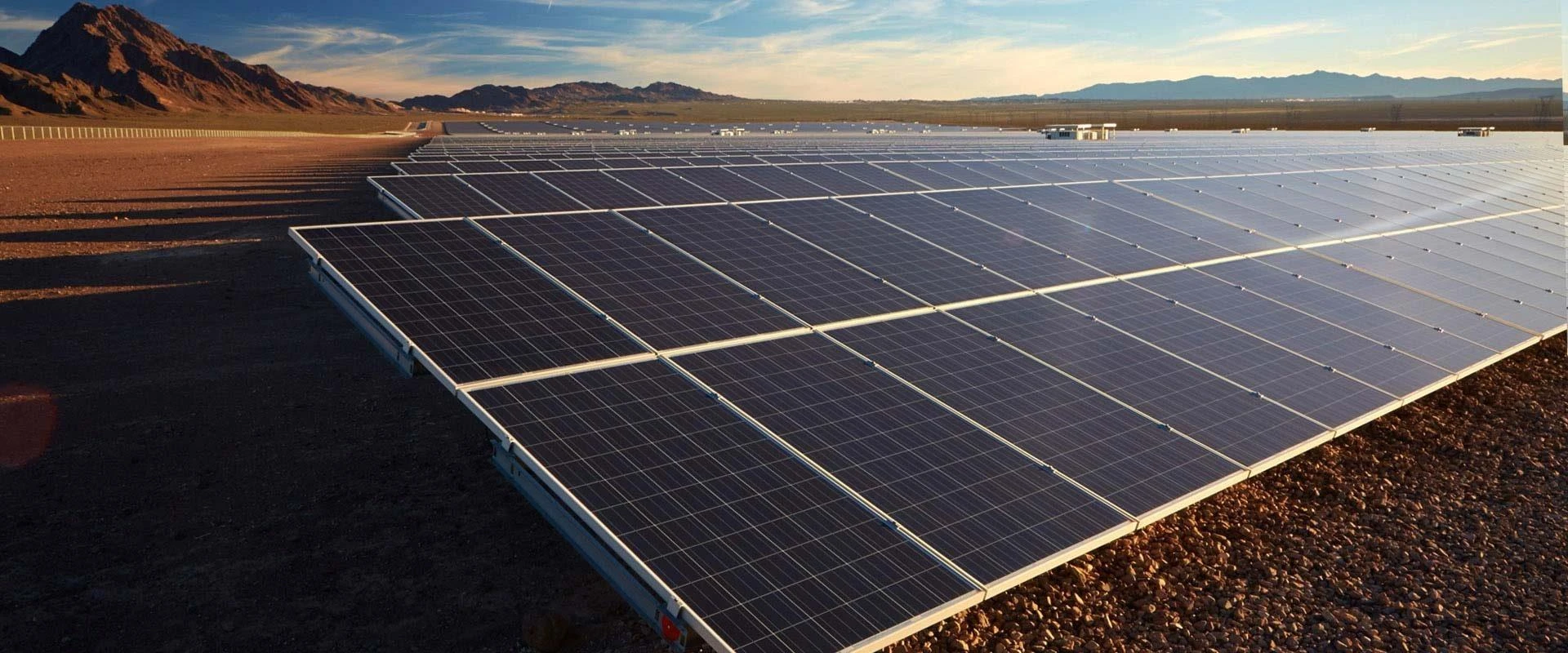
Solar power is the foundation of this unified energy system. Photovoltaic (PV) panels capture sunlight and convert it into electricity. This renewable energy source is abundant, environmentally friendly, and cost-effective. Solar panels can be installed on rooftops, over carports, and in solar farms, making them versatile and scalable.
Battery Storage
Battery storage systems, such as the BYD Battery-Box and Tesla Powerwall 3, store excess energy generated by solar panels. This stored energy can be used when solar production is low, such as at night or during cloudy days. Battery storage ensures a steady and reliable supply of electricity, reducing dependence on the grid and enhancing energy security.
Electric Vehicles
Electric vehicles are becoming more popular as a sustainable alternative to petrol and diesel cars. EVs run on electricity and produce zero emissions, contributing to cleaner air and reduced greenhouse gas emissions. They can be charged using electricity from the grid or directly from solar panels, making them an integral part of a renewable energy system.
How a Unified Energy System Works
Energy Generation: Solar panels generate electricity during daylight hours. This energy can be used immediately to power homes and businesses.
Energy Storage: Excess solar energy is stored in battery systems. This stored energy is available for use when solar production is insufficient, such as at night or during cloudy weather.
Charging: Electric vehicles can be charged using electricity from the solar panels and battery storage. EVs can also serve as additional storage units, with bidirectional charging capabilities allowing them to supply power back to the home or grid when needed.
Grid Integration: The unified system can interact with the grid to balance supply and demand. During periods of high solar production, excess energy can be fed into the grid. Conversely, during periods of high demand or low production, energy can be drawn from the grid.
Benefits of a Unified Energy System
Cost Savings
By generating and storing their own electricity, households and businesses can significantly reduce their energy bills. The ability to charge EVs with solar power further cuts fuel costs, making the overall system economically advantageous.
Energy Independence
A unified energy system provides greater energy independence. Users are less reliant on the grid and more resilient to power outages and price fluctuations. This independence is particularly beneficial in remote areas where grid access is limited.
Environmental Impact
Integrating solar power, battery storage, and EVs drastically reduces greenhouse gas emissions. Solar panels produce clean energy, battery storage optimises energy use, and EVs eliminate tailpipe emissions. This combination contributes to a substantial decrease in carbon footprint and air pollution.
Enhanced Grid Stability
By storing and managing energy locally, unified systems can help stabilise the grid. They reduce peak demand pressures and provide ancillary services such as frequency regulation. This stability is crucial as the proportion of renewable energy in the grid increases.
Future Prospects and Innovations
The future of unified energy systems is promising, with ongoing advancements in technology and infrastructure. Key developments include:
Smart Grids: Enhanced grid infrastructure that allows for better communication and coordination between energy producers, storage systems, and consumers.
Vehicle-to-Grid (V2G) Technology: Enabling EVs to feed energy back into the grid, providing additional storage and helping to balance supply and demand.
Energy Management Systems (EMS): Advanced software that optimises the operation of solar panels, battery storage, and EVs, ensuring efficient energy use and cost savings.
Renewable Energy Sources: Incorporating other renewable sources like wind and hydro into the unified system for even greater sustainability.
Real-World Applications
Several communities and projects around the world are already demonstrating the potential of unified energy systems:
Sonnen Community in Germany: An energy-sharing platform where members generate, store, and share renewable energy, enhancing energy independence and sustainability.
Tesla's Virtual Power Plant in South Australia: A network of homes with solar panels and Powerwall batteries that work together to provide energy to the grid, improving stability and reducing costs.
Conclusion
The integration of solar power, battery storage, and electric vehicles into a unified energy system represents a transformative step towards sustainable and efficient energy management. This cohesive approach offers numerous benefits, including cost savings, energy independence, environmental protection, and enhanced grid stability. As technology continues to advance, the potential for unified energy systems to reshape our energy landscape becomes increasingly evident, paving the way for a cleaner and more resilient future.


























Sign in to leave a comment.