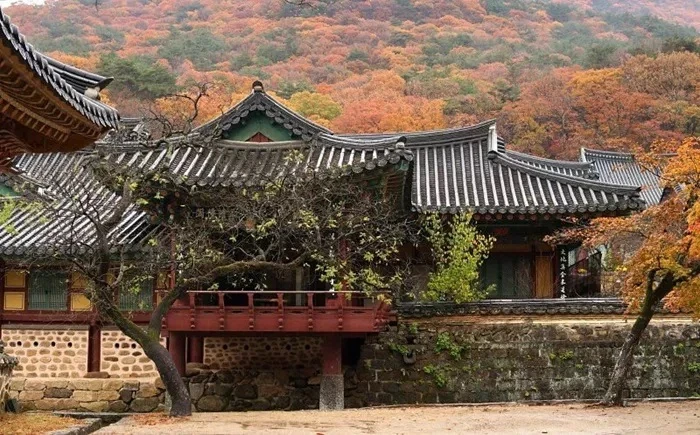

Songgwangsa Temple is nestled on the tranquil slopes of Jogyesan Mountain in Suncheon, South Jeolla Province, South Korea. This sacred site is surrounded by dense forests and streams, making it an ideal place for meditation and retreat. The serene natural environment enhances the peaceful atmosphere that is essential for deep Zen practice. Songgwangsa is one of the most important temples in Korean Buddhism, known for its strong monastic discipline and historical significance.
Historical Background and Founding
Songgwangsa was originally founded in the 9th century during the Silla Dynasty by Zen Master Hyerin. However, the temple gained true prominence in the 12th century under the leadership of Zen Master Jinul (Chinul in Korean). Jinul revitalized the temple as a center for Zen (Seon) Buddhist practice. He is considered one of the most influential monks in Korean history, advocating for a unified approach to meditation and scholarly study. Under his guidance, Songgwangsa became a thriving monastic community and a stronghold of the Korean Seon tradition.
The Role of Songgwangsa in Korean Buddhism
Among Korea’s Three Jewel Temples, Songgwangsa represents the “Sangha,” which is the monastic community. The other two temples—Tongdosa representing the Buddha and Haeinsa representing the Dharma (teachings)—form a spiritual triad with Songgwangsa. What sets Songgwangsa apart is its emphasis on training monastic leaders. Over sixteen national preceptors, who served as spiritual guides for the country, have been trained at this temple. This highlights the temple’s reputation for rigorous training and its contribution to shaping Korean Buddhist philosophy and leadership.
Zen Buddhism and Its Roots at Songgwangsa
What Is Zen Buddhism?
Zen Buddhism, known as Seon in Korea, is a school of Mahayana Buddhism that focuses on meditation, direct experience, and self-realization. It does not rely heavily on scriptures or rituals, but rather on cultivating awareness and insight through personal practice. Zen emphasizes simplicity, silence, and the importance of mindfulness in every aspect of life. It teaches that enlightenment is not found in books or lectures, but in the present moment and the nature of the mind itself.
How Zen Is Practiced in Korea
Korean Zen follows the traditions established by the Jogye Order, the largest Buddhist order in Korea. This tradition blends meditation (Seon), chanting, and ritual observance. Monks at Songgwangsa undergo years of meditation training, ethical discipline, and scriptural study. The purpose is to purify the mind and awaken to the truth of emptiness and interdependence. At Songgwangsa, Zen is not just a technique but a way of life, integrated into every moment of the day—from silent meals to mindful sweeping of temple grounds.
Jinul’s Legacy: Sudden Enlightenment and Gradual Cultivation
Zen Master Jinul introduced a key teaching that continues to influence Korean Zen: the idea of “sudden enlightenment followed by gradual cultivation.” This doctrine suggests that one can have an immediate experience of awakening, a glimpse into the true nature of reality, but must continue daily training to fully realize and integrate that insight. This approach combines the sharp clarity of sudden realization with the practical need for ongoing discipline. It remains a central tenet of practice at Songgwangsa and guides how monks and laypeople alike pursue spiritual development.
The Spiritual Meaning of Pilgrimage to Songgwangsa
Pilgrimage as a Journey of the Heart
Pilgrimage to Songgwangsa is not just a physical journey through scenic mountain trails. It is also a journey of inner transformation. Many people come to the temple not only to see its beauty but to seek spiritual clarity, healing, or direction. Walking up the winding path to the temple, surrounded by nature, offers space for reflection and the quieting of the mind. For devout Buddhists, visiting Songgwangsa is an act of devotion and reverence for the teachings of the Buddha and the lineage of great masters who lived and practiced there.
What Pilgrims Experience at the Temple
At Songgwangsa, pilgrims often attend ceremonies, listen to Dharma talks, and participate in meditation sessions. The temple has preserved its monastic rhythm, and visitors are invited to step into that rhythm by observing silence, walking mindfully, and joining communal meals. Many visitors find that even a short stay brings peace and insight. The temple’s spiritual energy, built through centuries of practice, has a calming and grounding effect. It is a place where many report feeling deeply connected to something beyond themselves.
Temple Stay Program for Laypeople
For those who wish to experience monastic life more deeply, Songgwangsa offers templestay programs. These programs allow laypeople to participate in the daily schedule of the monks, including early morning chanting, sitting meditation, tea ceremonies, and mindful work. Participants wear simple temple uniforms and sleep in traditional rooms. The goal is not to become a monk, but to experience the peace that comes from simplicity and discipline. Even a weekend stay can reveal much about one’s mind and life.
The Temple Complex and Its Sacred Halls
Main Buddha Hall (Daeungjeon)
The Daeungjeon, or Main Buddha Hall, is the spiritual heart of Songgwangsa. It houses a statue of Shakyamuni Buddha, the historical Buddha, seated in meditation. The hall is beautifully decorated with lotus motifs, paintings of guardian deities, and hanging lanterns. Monks gather here for daily rituals and chanting, while pilgrims bow in reverence. The hall’s silence and fragrance of incense create a sacred space that invites contemplation and awe. Every detail, from the wooden carvings to the polished floor, reflects devotion and care.
Seon Meditation Hall (Seonwon)
The meditation hall is where the essence of Zen practice unfolds. Monks sit in silence, often for hours, watching their breath and observing the movements of their minds. During intensive retreats called kyolche, monks enter into weeks or even months of silent meditation. These retreats are physically and mentally demanding but are seen as essential for deep awakening. The discipline, silence, and group energy create a powerful field for transformation. Even visitors who do not participate in the full retreat can sense the intensity of practice within these walls.
Other Important Structures
Songgwangsa also includes many other halls and facilities that support spiritual life. The Dharma Hall is used for teachings and ceremonies. The bell tower rings out across the valley, marking the hours and calling monks to prayer. There are also shrines for bodhisattvas like Avalokiteshvara (Gwaneum), the Bodhisattva of Compassion. A scripture library preserves centuries of Buddhist texts, while the monks’ quarters, kitchen, and gardens ensure a self-sufficient lifestyle. Each building, though humble, serves a sacred purpose and fits into the rhythm of the whole temple.
Monastic Life and Daily Practice
A Day in the Life of a Monk
Monastic life at Songgwangsa begins well before sunrise, often around 3 a.m. The day starts with morning chanting, followed by long hours of sitting meditation, study, and physical work. Every moment of the day is seen as an opportunity to practice mindfulness. Even tasks like sweeping leaves or washing rice are done with full awareness. Silence is observed during meals and work, creating an atmosphere of calm and concentration. The life of a monk is not easy, but it offers freedom from distractions and a chance to focus entirely on spiritual growth.
Working Meditation and Community Chores
In Zen, physical labor is considered part of the path. Monks perform chores like cleaning, gardening, and temple repairs not just as duties, but as spiritual practice. This is called “working meditation” or samu. The work is done mindfully, without complaint or distraction. It teaches humility and attentiveness, and keeps the body active and healthy. Visitors in templestay programs also participate in samu, often finding that these simple tasks bring clarity and peace to the mind.
Formal Meal Practice: Barugongyang
Barugongyang is a traditional monastic meal ritual using four nested bowls. Each movement, from unfolding the bowls to cleaning them afterward, is done in silence and precision. The meals are simple, usually consisting of rice, soup, and vegetables. No food is wasted, and everyone eats mindfully and gratefully. This practice cultivates awareness, gratitude, and discipline. For many visitors, barugongyang is a highlight of their stay, showing how even eating can be a sacred and mindful act.
Teachings and Spiritual Philosophy
The Concept of No-Self and Emptiness
At the core of Zen teachings is the understanding of “no-self” (anatta) and emptiness (shunyata). These teachings point to the idea that our fixed sense of self is an illusion. Everything is interconnected, impermanent, and without inherent identity. Realizing this truth brings freedom from attachment, fear, and suffering. Songgwangsa’s teachings guide practitioners to look within and experience this insight directly, not as a theory, but as a living truth that transforms how they see the world and themselves.
Meditation as the Path to Enlightenment
For Zen practitioners, meditation is not just a tool—it is the path itself. Through sitting still, watching the breath, and observing thoughts, one begins to see the patterns of the mind. Over time, layers of delusion and ego are peeled away. At Songgwangsa, meditation is practiced with great care and seriousness. The environment supports this practice with its quiet halls, natural surroundings, and community of dedicated practitioners. Meditation here is not about escaping life, but about seeing it clearly and living it fully.
The Role of Koans in Practice
Koans are paradoxical questions or stories used to break the logical mind and bring about direct insight. A famous example is “What is your original face before you were born?” These questions cannot be answered with reason or analysis. Instead, they push the practitioner into a space of inner inquiry. At Songgwangsa, advanced practitioners may work with a teacher on koans to deepen their insight and challenge their assumptions. Koans are a unique and powerful part of Zen training, inviting profound shifts in consciousness.
Songgwangsa’s Cultural and National Role
Architectural Heritage and Art
The architecture of Songgwangsa is a reflection of Korean aesthetics—modest, balanced, and in harmony with nature. Wooden buildings with tiled roofs, intricate carvings, and painted eaves show both artistic skill and spiritual meaning. The temple grounds include pagodas, stone lanterns, and old trees that add to the sacred atmosphere. Many structures are designated as cultural treasures, preserving the legacy of centuries of Buddhist devotion.
Preservation of Buddhist Culture
Songgwangsa is not only a place of practice but also a guardian of Buddhist tradition. Ancient texts, ritual implements, and ceremonial robes are carefully preserved. Monks are trained to perform rituals, chants, and ceremonies in traditional ways. Scholars and cultural historians often visit the temple to study its history and practices. Through careful preservation, Songgwangsa continues to be a living museum of Korean Zen culture.
Buddhist Festivals and Community Events
The temple hosts many Buddhist holidays, including the Buddha’s Birthday (Seokga Tansinil), Enlightenment Day (Seongdoil), and the Memorial for Jinul. During these times, the temple is decorated with lanterns and visited by thousands of laypeople. Ceremonies include chanting, Dharma talks, and offerings. These events bring the wider community into contact with the temple and offer a chance to celebrate the Buddha’s teachings together.
Planning Your Visit to Songgwangsa
How to Get There
To visit Songgwangsa, travelers can take a KTX train from Seoul to Suncheon Station. From there, local buses or taxis are available to the temple entrance. The journey takes about 4 to 5 hours in total. The last leg of the trip, walking through the mountain path to the temple, is a peaceful and scenic experience, preparing visitors to enter a state of mindfulness and reverence.
Tips for Visitors
When visiting Songgwangsa, it is important to dress modestly and behave respectfully. Silence is appreciated in temple areas. Visitors are encouraged to turn off phones, avoid loud conversations, and participate mindfully in any offered activities. If joining a templestay, it is helpful to bring simple clothing, a notebook for reflection, and an open mind. Respect for monastic customs enriches the experience for everyone involved.
When to Visit
Spring and autumn are ideal seasons to visit Songgwangsa. In spring, cherry blossoms bloom across the temple grounds, creating a beautiful scene of renewal and life. In autumn, the mountain forest turns brilliant shades of red and gold, offering a sense of impermanence and beauty. Winter is also special, with quiet snow-covered paths and deep silence. Each season brings its own spiritual mood and lessons.
Conclusion
Songgwangsa Temple stands as a living symbol of Zen Buddhism in Korea. It is a place where tradition, discipline, and spiritual wisdom converge. From its founding in the 9th century to its ongoing role in training monks and welcoming pilgrims, the temple continues to offer a path to inner peace. Whether you come for meditation, history, or personal reflection, Songgwangsa provides a space where the mind can become still and the heart can awaken. In a fast-moving world, the quiet strength of this sacred mountain temple remains a timeless refuge.




























Sign in to leave a comment.