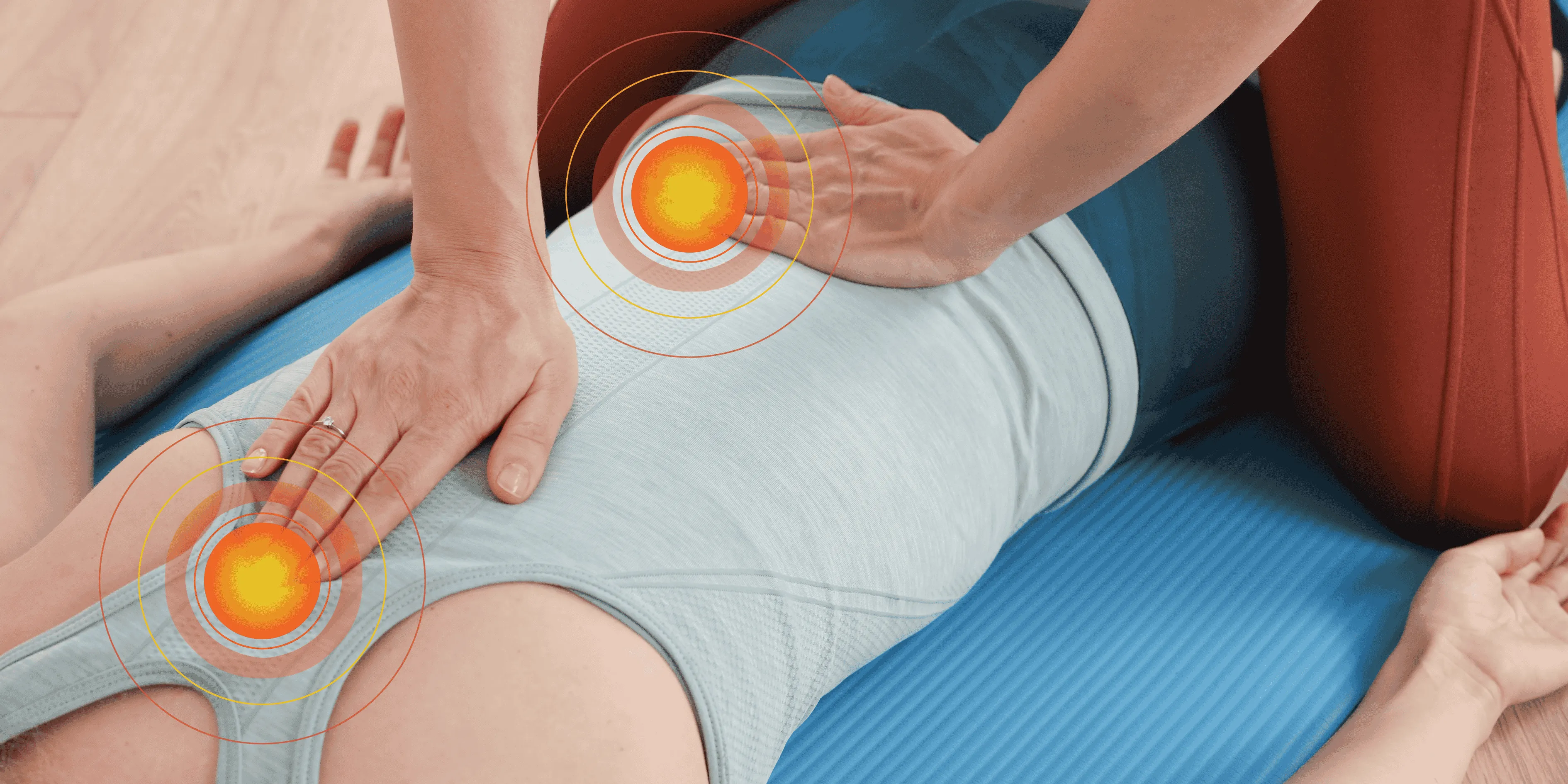

Spine pain can affect every aspect of daily life-from simple movements like bending and walking to maintaining proper posture at work. Whether caused by injury, age-related changes, or underlying medical conditions, spine discomfort requires timely attention and the right spine pain treatment approach. Understanding the causes, available care options, and recovery strategies can help you manage symptoms effectively and regain mobility.
Understanding Spine Pain
The spine is a complex structure made up of vertebrae, discs, nerves, and supporting muscles. It provides stability, flexibility, and protection to the spinal cord. When any part of this system is affected, it can lead to pain, stiffness, and reduced movement.
Spine pain may develop suddenly due to injury or gradually over time due to wear and tear. In many cases, it becomes chronic if not addressed early. Proper diagnosis and spine and pain treatment are essential to prevent long-term complications.
Common Causes of Spine Pain
Several conditions can contribute to spine pain. Identifying the underlying cause is the first step toward effective treatment.
- Herniated discs: Occur when the inner portion of a disc pushes outward and compresses nearby nerves
- Degenerative disc disease: Age-related breakdown of spinal discs
- Spinal stenosis: Narrowing of the spinal canal that increases pressure on nerves
- Spondylosis and arthritis: Wear and tear affecting joints and bones
- Muscle strain or injury: Caused by overuse, improper lifting, or sudden movements
These conditions often require a combination of spine care solutions to manage pain and restore function.
Signs and Symptoms to Watch
Spine pain can vary in intensity and location depending on the condition. Common symptoms include:
- Persistent back or neck pain
- Stiffness and limited range of motion
- Pain radiating to arms or legs
- Numbness, tingling, or weakness
- Difficulty performing daily activities
If these symptoms persist, it’s important to seek professional evaluation for appropriate spine pain treatment.
Diagnosis and Evaluation
A proper diagnosis is essential for effective treatment. Specialists typically begin with:
- A detailed medical history and symptom review
- Physical examination to assess movement and nerve function
- Imaging tests such as X-rays or CT scans
These steps help identify the root cause and guide a personalized treatment plan.
Spine Pain Treatment Options
Modern spine pain treatment focuses on addressing the source of pain while improving mobility and function.
1. Interventional Pain Management
Interventional treatments are minimally invasive procedures designed to target pain directly at its source. These options are widely used in pain management in Bethlehem and other specialized clinics.
Common procedures include:
- Epidural steroid injections
- Facet joint injections
- Nerve blocks
- Radiofrequency ablation
- Spinal cord stimulation
These treatments help reduce inflammation, block pain signals, and provide long-term relief without major surgery.
2. Regenerative Medicine
Regenerative therapies aim to repair damaged tissues and support natural healing.
Options may include:
- Platelet-rich plasma (PRP) therapy
- Stem cell-based treatments
These advanced spine care solutions are often used for chronic conditions and can improve overall recovery outcomes.
3. Personalized Treatment Plans
Every patient’s condition is unique, so treatment plans are tailored based on individual needs.
A personalized approach focuses on:
- Identifying the root cause of pain
- Combining multiple therapies
- Monitoring progress and adjusting treatment
This strategy ensures more effective results and long-term relief.
Recovery and Rehabilitation
Recovery plays a crucial role in managing spine pain. Depending on the severity of the condition, recovery timelines may vary.
Tips for Effective Recovery:
- Follow prescribed treatment plans consistently
- Maintain proper posture during daily activities
- Avoid heavy lifting or sudden movements
- Stay active with guided exercises
- Take breaks to reduce strain on the spine
A structured recovery plan helps restore mobility and prevent recurrence.
Lifestyle Changes for Long-Term Spine Health
Simple lifestyle adjustments can significantly reduce the risk of recurring spine pain.
- Maintain a healthy weight to reduce pressure on the spine
- Use ergonomic furniture at work
- Practice good posture
- Incorporate stretching and strengthening exercises
- Manage stress to reduce muscle tension
Combining these habits with professional spine and pain treatment can improve long-term outcomes.
Conclusion
Spine pain can be challenging, but with the right spine pain treatment, it is manageable. Understanding the causes, exploring advanced spine care solutions, and following a structured recovery plan can help you regain mobility and improve your quality of life.
Modern approaches, including minimally invasive procedures and personalized care, focus on long-term relief rather than temporary fixes.
Don’t let spine pain limit your life-schedule your consultation today and take the first step toward lasting relief, improved mobility, and better overall health.
FAQs
1. What is the most common cause of spine pain?
Common causes include herniated discs, degenerative changes, spinal stenosis, and muscle strain.
2. What is the best spine pain treatment?
The best treatment depends on the cause, but minimally invasive procedures and personalized care plans are often effective.
3. Can spine pain be treated without surgery?
Yes, many cases can be managed with interventional treatments, regenerative therapies, and lifestyle changes.
4. How long does it take to recover from spine pain?
Recovery time varies depending on the condition and treatment, but many patients see improvement with consistent care.
5. When should I seek medical help for spine pain?
If the pain is persistent, worsening, or affecting daily activities, it’s important to consult a specialist.





























Sign in to leave a comment.