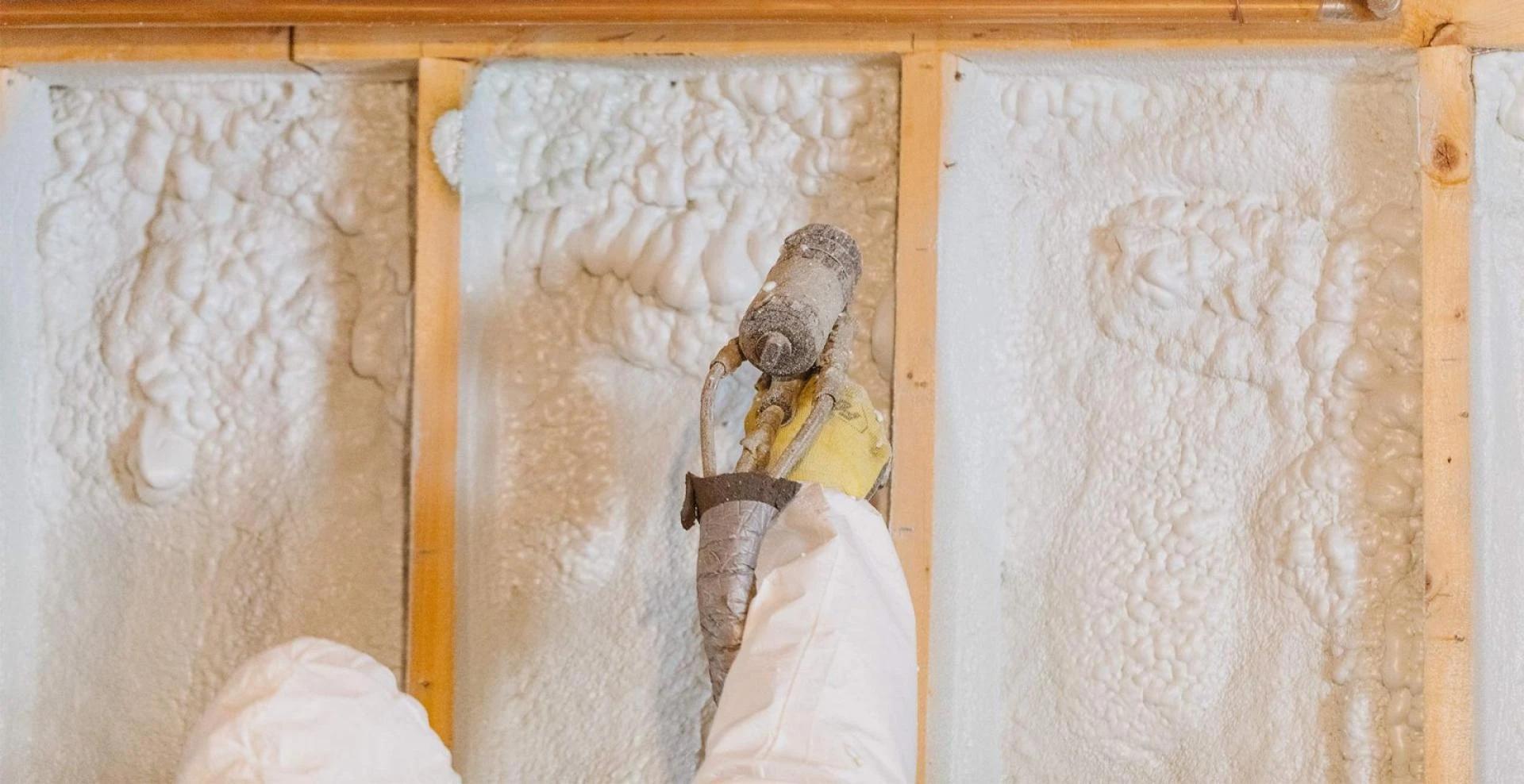

Spray foam insulation helps Tallahassee homes and commercial spaces maintain indoor comfort by keeping the Florida heat outside. The right insulation method improves energy performance, reduces strain on HVAC systems, and increases structural integrity. For property owners in North Florida, selecting the right type of spray foam—and working with experienced spray foam teams—makes a noticeable difference in long-term energy costs and indoor climate control.
This article explains the application, benefits, and technical value of expert spray foam insulation services in Tallahassee, with a focus on hot climate performance and energy efficiency.
How Spray Foam Works to Block Heat in Tallahassee’s Climate
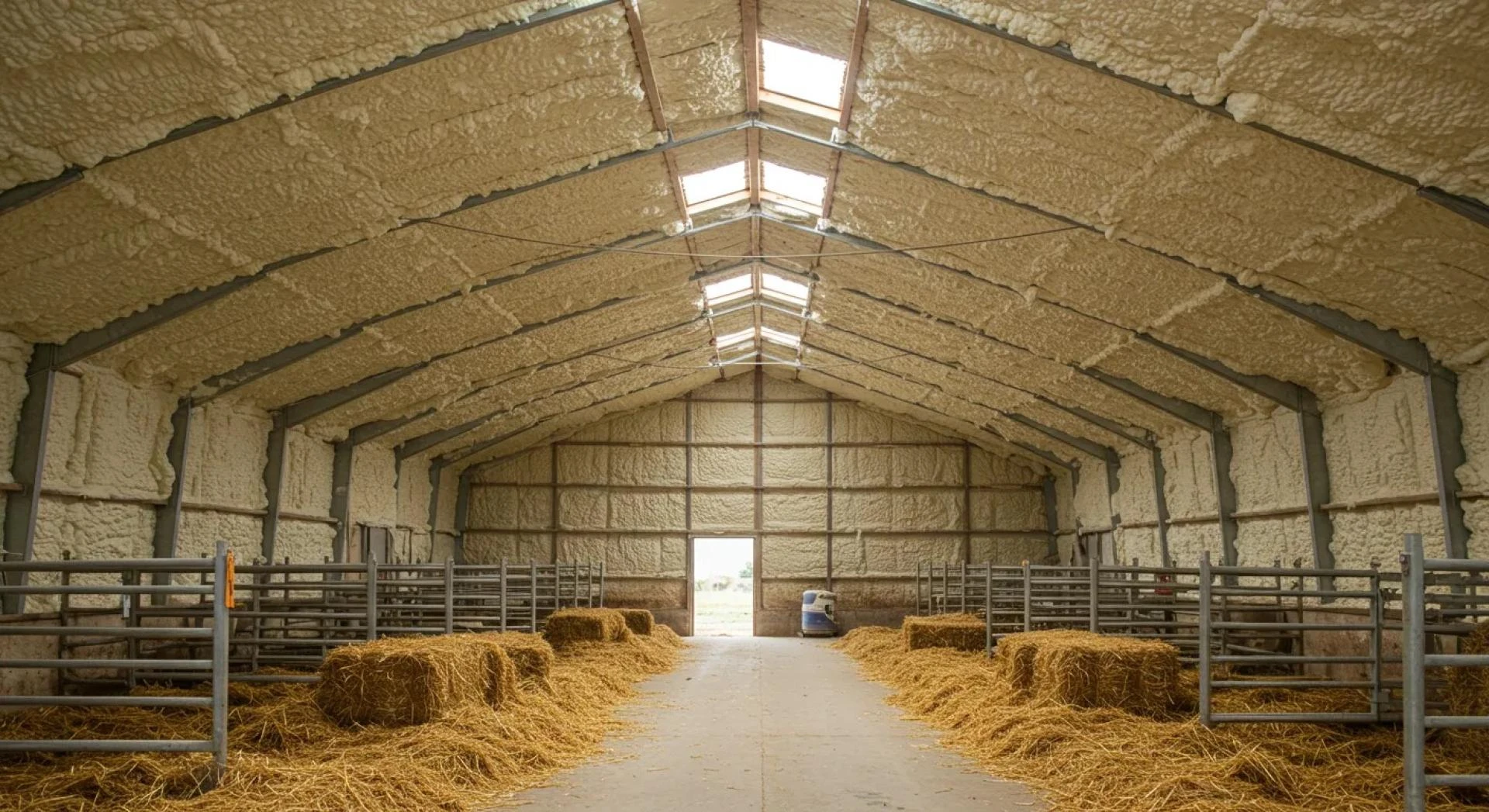
Spray foam creates a continuous thermal barrier that restricts heat transfer through walls, attics, and crawlspaces. This insulation approach is uniquely effective in hot, humid climates like Tallahassee, where traditional materials may fall short.
Closed-Cell vs. Open-Cell Foam Applications
Closed-cell spray foam provides a rigid structure with low permeability, making it highly effective at resisting heat and moisture. It supports high R-values per inch and adds strength to walls and roofs.
Open-cell spray foam is softer and more flexible. It expands more fully and is ideal for sound dampening and interior insulation. Though it has a lower R-value than closed-cell, it still performs well in managing radiant heat.
Airtight Seal Reduces Heat Intrusion
Spray foam insulation eliminates air leakage—a major contributor to thermal gain in buildings. By sealing gaps, joints, and penetrations, foam insulation prevents hot air from infiltrating conditioned spaces.
High R-Value Performance for the Southeast
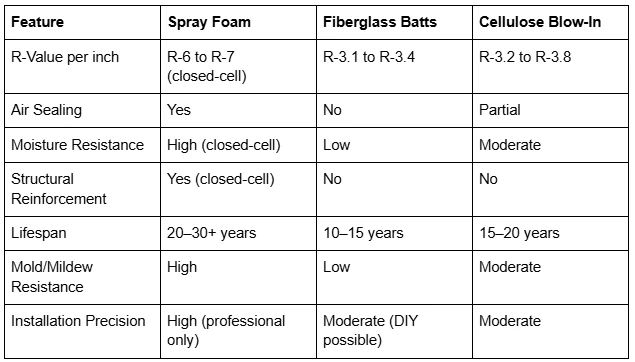
Tallahassee's climate demands materials with strong resistance to heat flow. Closed-cell foam insulation offers R-values around R-6 to R-7 per inch, outperforming fiberglass and cellulose in hot-weather performance.

Choosing a Professional Spray Foam Provider in Tallahassee
Not all spray foam work delivers the same results. Factors such as installer experience, product choice, and application method influence insulation performance. Selecting local spray foam specialists ensures the job meets Tallahassee’s specific thermal challenges.
Why Experience Matters in Foam Application
Experienced insulation teams apply spray foam with consistent depth, coverage, and curing conditions. This reduces risks like voids, off-ratio foam, or sagging.
Credentials and Certifications
Certified insulation experts follow proper safety protocols, understand building codes, and verify foam mix ratios. Look for providers who use licensed foam application specialists with residential and commercial project experience.
Energy Efficiency Starts with Local Insight
Working with local insulation experts helps tailor the approach to North Florida’s temperature swings, humidity levels, and building codes. These teams understand the conditions that cause thermal bridging, attic moisture buildup, and sun-driven heat gain.
Benefits of Energy-Efficient Spray Foam in Residential and Commercial Buildings
For homes and businesses in Tallahassee, spray foam improves comfort and lowers energy bills. Beyond thermal resistance, it offers structural, acoustic, and moisture control advantages.
Improved HVAC Efficiency
Buildings insulated with spray foam reduce the workload on air conditioners, especially during long Florida summers. This contributes to lower operational costs and longer equipment lifespan.
Vapor Barrier and Moisture Control
Closed-cell foam adds a vapor retarder, which limits moisture transfer from humid outdoor air. This helps prevent mold, mildew, and rot in attics and crawlspaces.
Air Quality and Sound Control
Open-cell foam helps reduce noise transmission while maintaining breathable indoor air quality. It seals out allergens, dust, and pollutants entering through wall gaps.
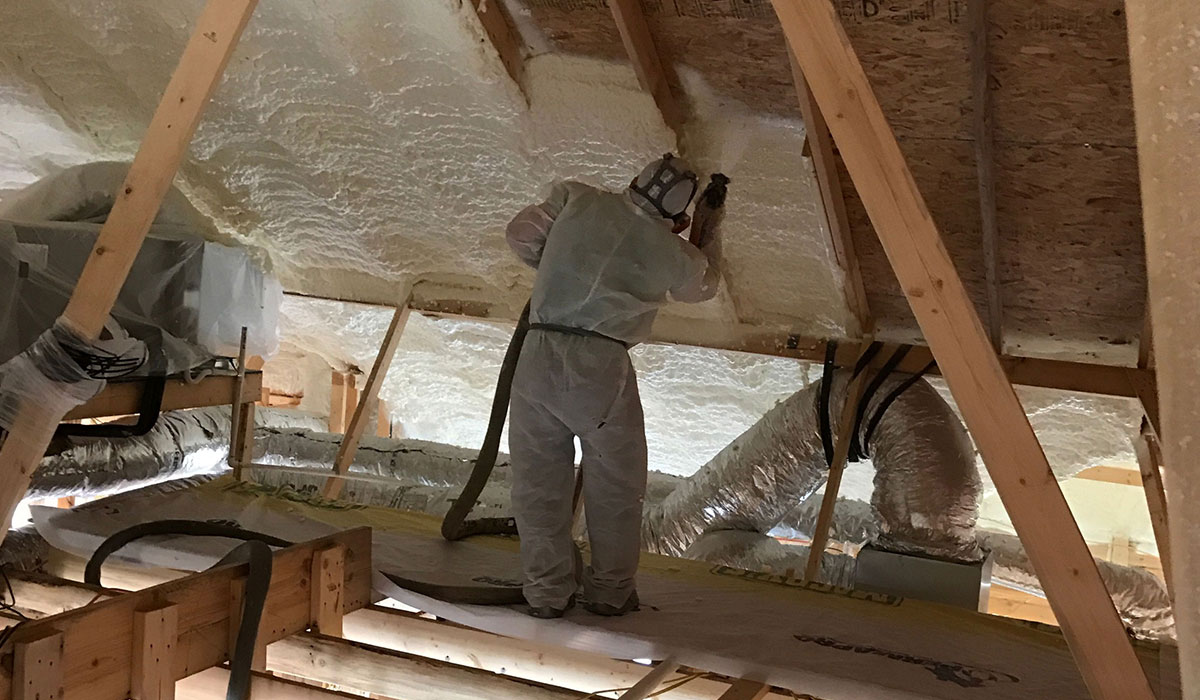
Comparing Spray Foam to Other Insulation Options
Spray foam insulation offers performance advantages that are hard to match with traditional materials. Here's a direct comparison for property owners evaluating their options.
What to Expect from a Certified Foam Insulation Process
Understanding the spray foam application process helps property owners prepare and assess whether it’s done correctly. A quality process ensures long-term energy savings and structural safety.
Site Preparation and Safety Measures
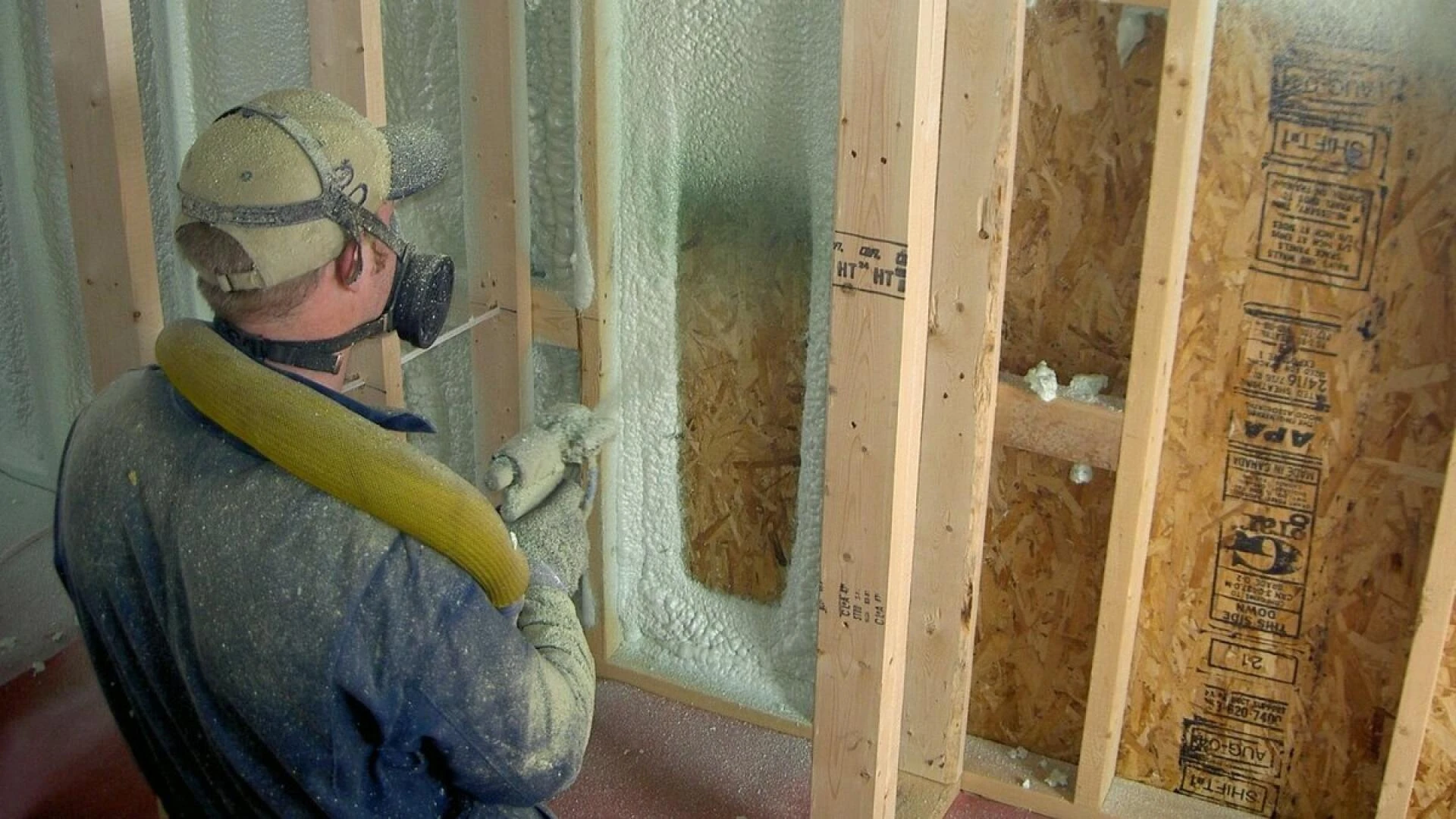
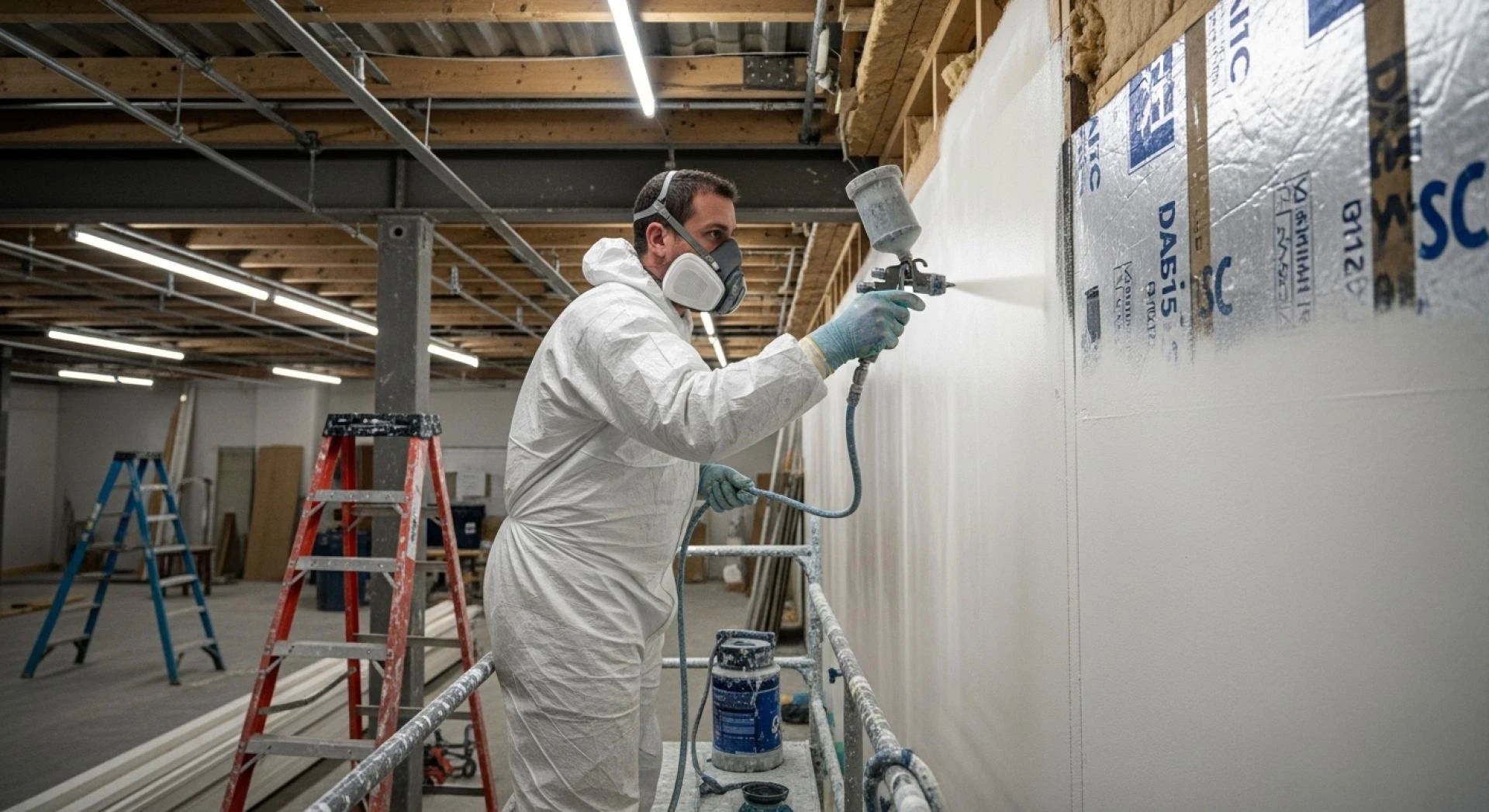
Certified insulation experts start by assessing ventilation needs, sealing off adjacent areas, and using protective gear to handle materials safely during application.
Layered Foam Application
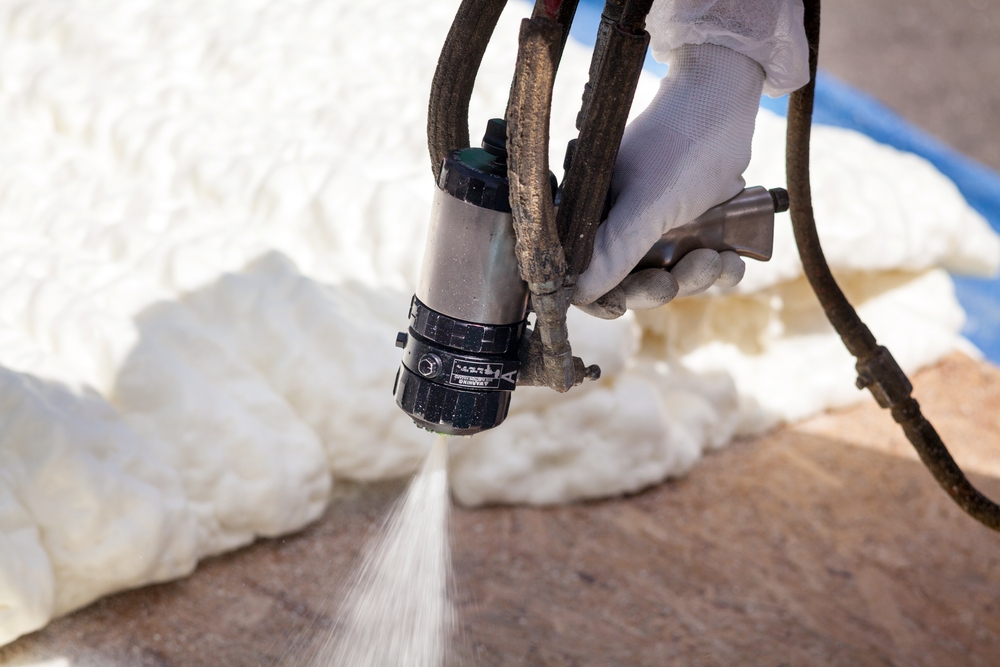
Spray foam is applied in thin, controlled layers. Open-cell foam expands rapidly to fill cavities, while closed-cell foam requires careful layering to avoid over-expansion and cure issues.
Curing and Final Inspection
Once applied, spray foam needs time to cure. A final inspection ensures all gaps are sealed and foam is trimmed or covered as needed for drywall or finishing.
Addressing Common Questions About Home Spray Foam Insulation
Can spray foam be installed in existing walls? Yes, in many cases. Retrofit applications are possible by accessing wall cavities through small openings or during renovations.
How long does spray foam insulation last? High-quality spray foam can last more than 30 years when applied correctly. It maintains its shape, adhesion, and thermal performance without settling or compressing.
Is spray foam safe for indoor air? Once cured, spray foam is inert and does not emit harmful gases. Proper installation and ventilation during application eliminate health concerns.
What areas of a home benefit most from spray foam? Attics, rooflines, crawlspaces, and exterior walls benefit most due to their exposure to outside temperatures and airflow. Garage ceilings and bonus rooms are also common targets.
Can I combine spray foam with other insulation types? Yes. Hybrid solutions use spray foam in air-critical areas (attics, rims, crawlspaces) while leaving other zones with existing materials to manage cost.
Ready to Achieve Energy-Efficient Indoor Performance?
Spray foam insulation significantly improves building efficiency by creating a reliable barrier against heat and humidity. For residents and commercial property managers in Tallahassee, choosing energy-efficient foam insulation leads to year-round indoor comfort and long-term savings.
Premier Insulation GA offers certified spray foam insulation services across North Florida. The team supports both residential insulation partners and commercial facility upgrades with experienced spray foam teams and reliable insulation results.
Call (229) 554-3939 or email [email protected] to speak with local spray foam specialists who can help plan the right solution for your property.
FAQs
What is the best insulation type for Florida heat? Closed-cell spray foam is highly effective in Florida due to its high R-value and moisture resistance. It keeps interiors cooler by forming a dense thermal barrier.
How do I find spray foam professionals in Tallahassee? Look for listings that mention local insulation experts or certified insulation providers serving Leon County. Experience and licensing matter more than marketing.
Does spray foam lower monthly energy bills? Yes. Most buildings see lower cooling costs because spray foam restricts thermal gain and reduces air leakage. The savings typically offset installation within a few years.
Will spray foam damage my roof or attic? When installed by professional insulation teams, spray foam supports rather than harms structural elements. It also reduces condensation risks under roof decking.
How thick should spray foam be in walls or attics? Closed-cell foam usually requires 2–3 inches in walls and 4–5 inches in rooflines. Open-cell may need thicker applications depending on climate and code requirements.
Reviewer: Jack Parker, a spray foam professional with 7 years of experience, reviewed this post and helped improve sections dealing with brand clarity and customer communication.

























Sign in to leave a comment.