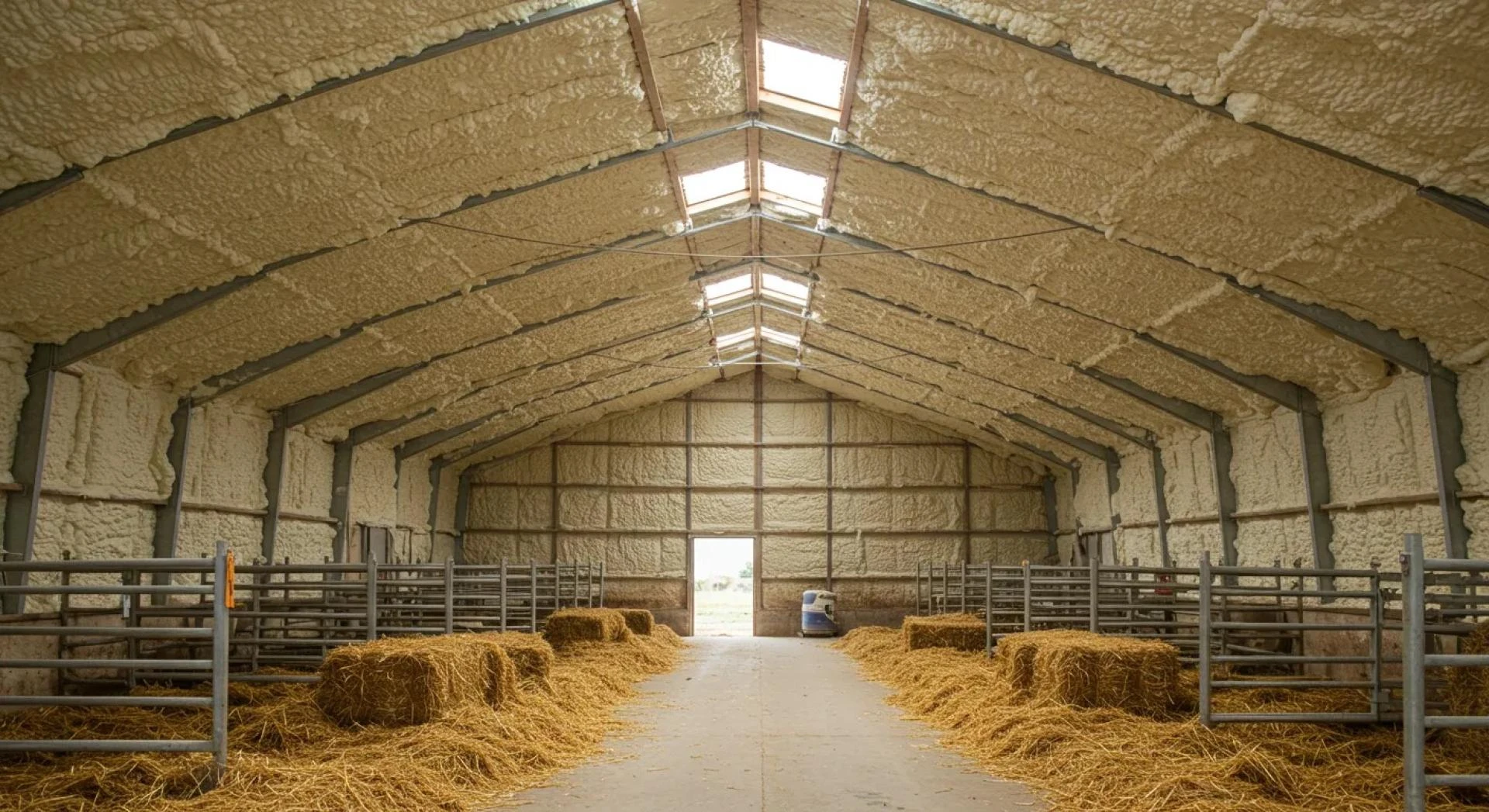

Insulating barns and agricultural buildings can help control temperature, manage humidity, and protect livestock or equipment year-round. Many property owners attempt insulation upgrades on their own, but without proper planning and material knowledge, the results often fall short. This article highlights seven of the most common DIY mistakes to avoid when installing insulation in barns.
Mistake 1: Ignoring Moisture Management in Barns
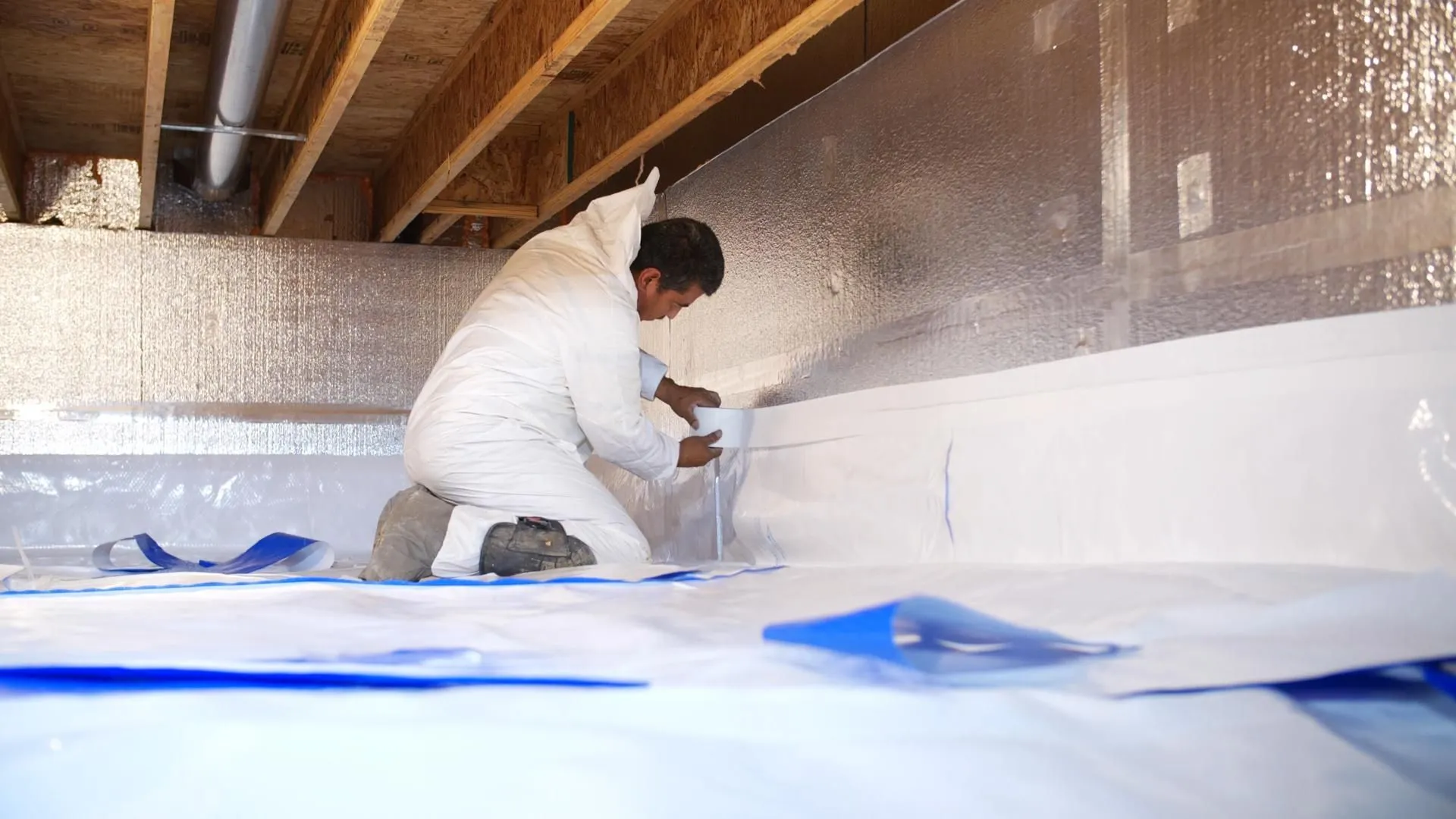
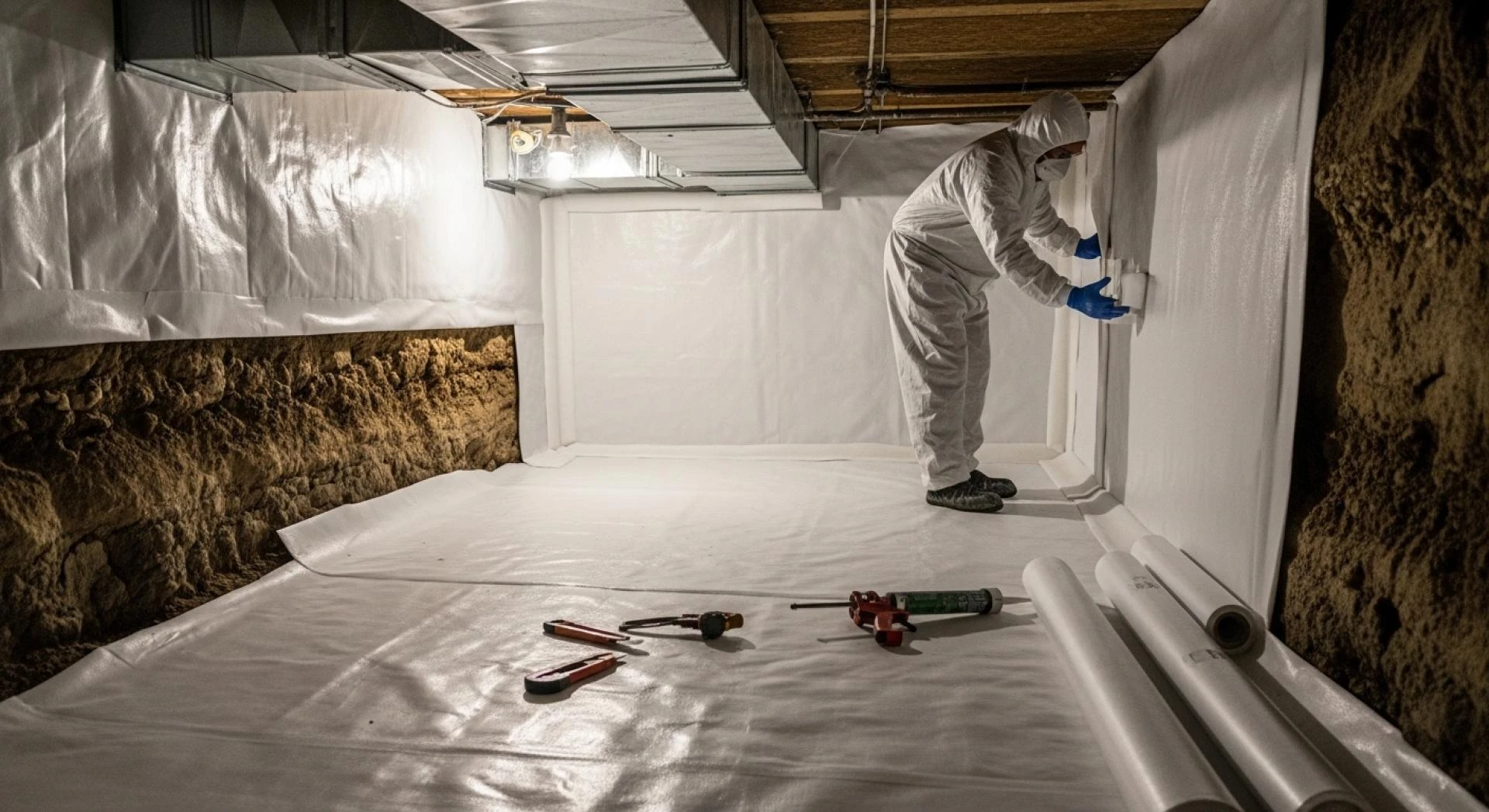
Moisture is one of the most common causes of insulation failure in agricultural settings. Without moisture control, insulation becomes saturated, loses thermal resistance, and may support mold growth.
Barns produce internal humidity
Animals generate moisture through breathing and waste. Machinery, feed storage, and seasonal condensation all add to the indoor moisture load.
No vapor barrier where one is needed
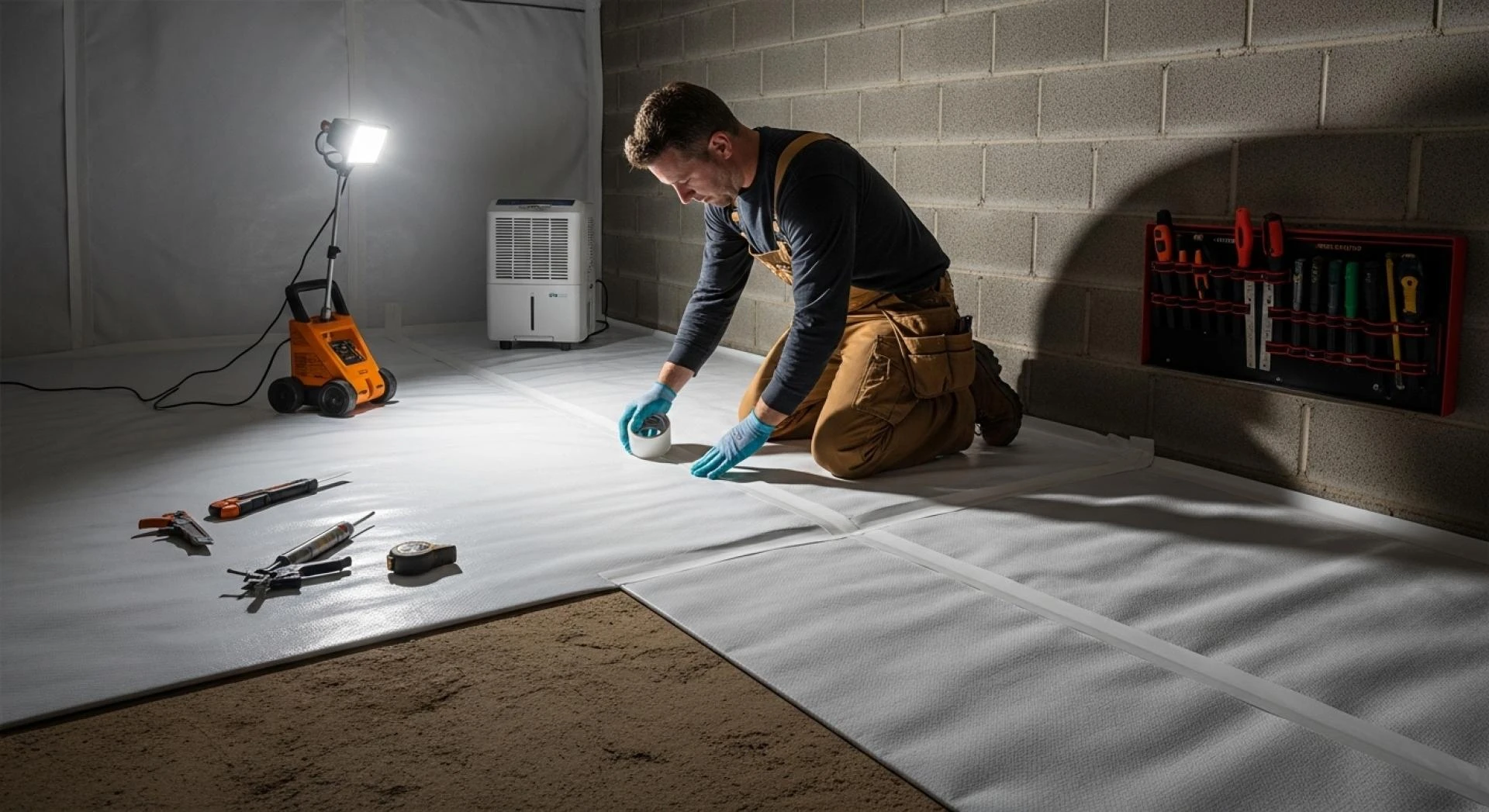
In cold climates, warm moist air from inside the barn can condense within wall or ceiling cavities. A properly placed vapor barrier slows this transfer and reduces condensation risk.
Material choice affects moisture response
Avoid fiberglass or cellulose in high-moisture areas unless fully protected. Spray foam or closed-cell rigid foam may be better suited to high-humidity agricultural applications.
Mistake 2: Using the Wrong Type of Insulation for the Building Structure
Barns vary widely in how they're built—metal-framed, pole-style, wood-framed, or open-wall. Insulation materials must be compatible with the frame and wall conditions.
Pole barns and condensation risks
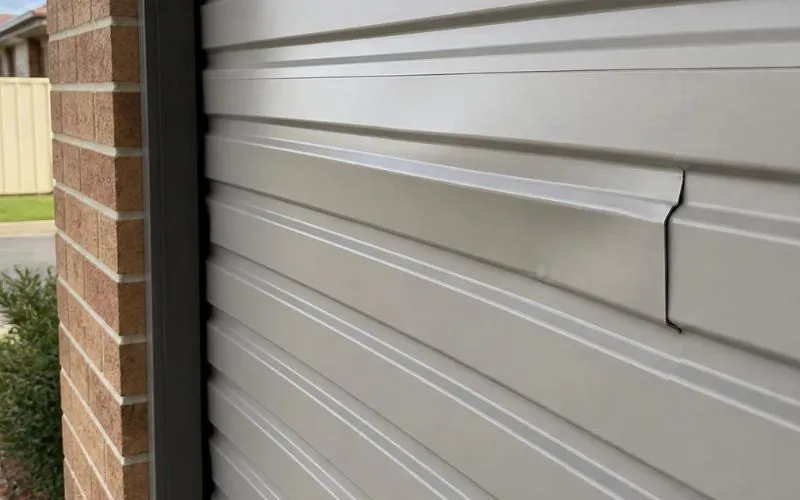
In metal buildings without interior sheathing, insulation can absorb condensation and slump. Bubble wrap and radiant barriers alone often underperform without additional insulation layers.
Insulation that doesn’t stay in place
Loose-fill insulation can shift or settle if not contained. In wall cavities or open ceilings, use batts, rigid panels, or spray foam that remains in position over time.
Rigid foam board misapplication
Foam board works well in continuous insulation setups but must be sealed at seams and edges. Poor sealing leaves thermal bridges and air leakage paths.
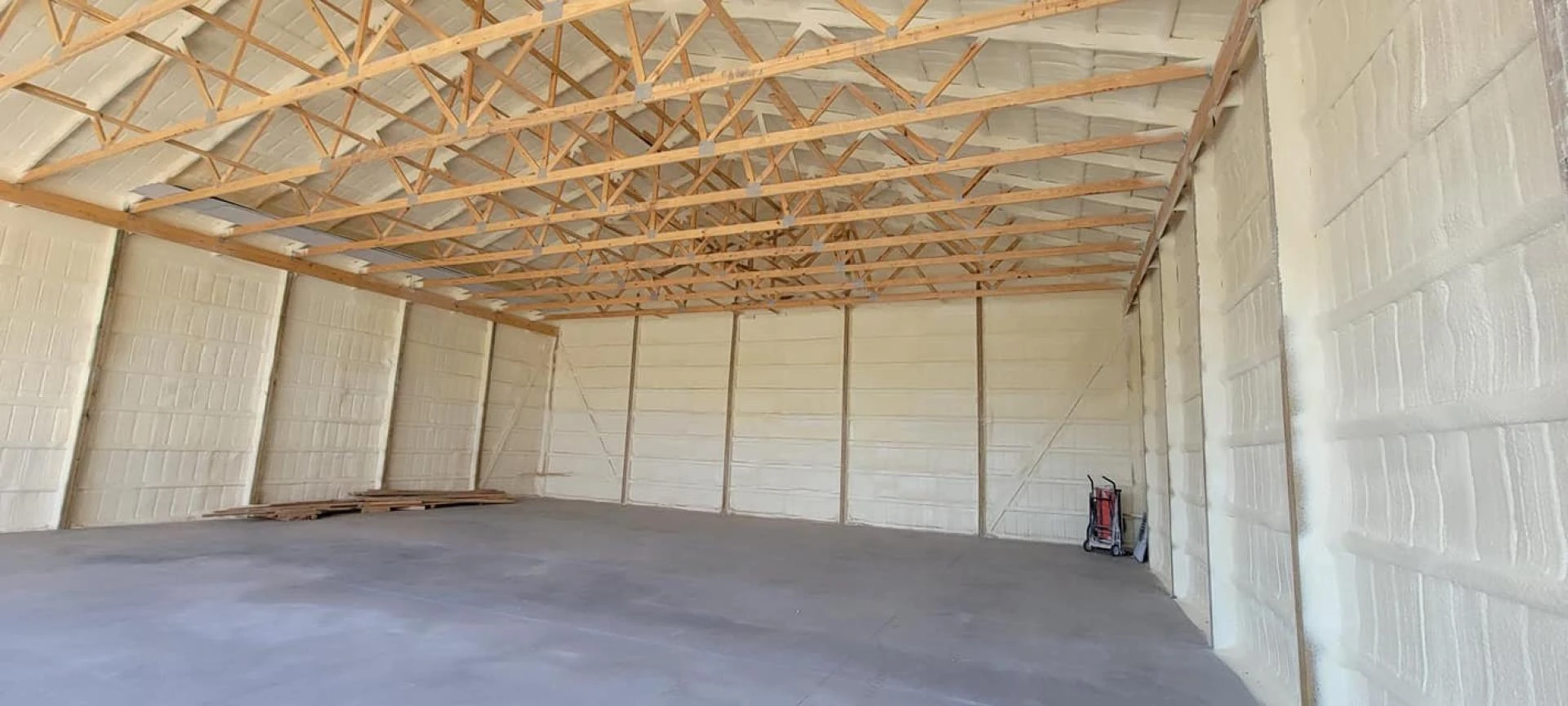
Mistake 3: Skipping Air Sealing Before Insulating
Insulation resists heat flow, but air leaks allow uncontrolled movement of hot or cold air. Sealing first helps insulation perform more effectively.
Gaps at wall-floor intersections
These are often overlooked in barns but serve as major air leakage paths. Use caulk or spray foam to seal gaps before insulation is installed.
Unsealed utility penetrations
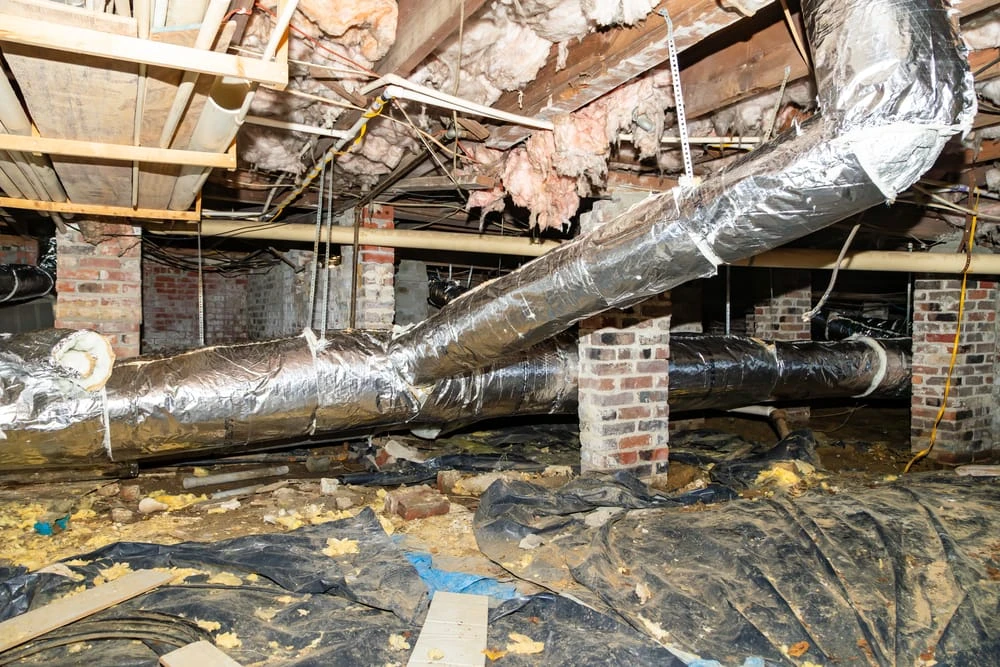
Wiring, water lines, and HVAC ducts that pass through exterior walls should be sealed at the entry points. These small openings can lead to significant thermal losses.
Inadequate door and window sealing
Even large barn doors can be sealed with weatherstripping or brush seals to prevent drafts. DIY installations often miss these secondary elements.
Mistake 4: Not Accounting for Ventilation
Proper barn ventilation prevents moisture buildup and maintains air quality. Over-insulating without ventilation planning can trap warm, moist air and create condensation problems.
Confusion between insulation and ventilation
Insulation reduces heat transfer. Ventilation removes stale, humid air. Both are needed for thermal comfort and air quality, especially in barns with animals or hay.
Ridge vents and soffit vents
These help maintain airflow in insulated roof assemblies. In unvented designs, especially with spray foam, mechanical ventilation may be needed to control humidity.
Insulated but unventilated feed rooms
Feed and hay storage areas often retain moisture and odors. These spaces benefit from controlled ventilation in addition to insulation.
Mistake 5: Installing Insulation with Gaps or Compression
Insulation must be installed in full contact with the surface and without gaps to maintain its rated R-value. DIY installs often fall short due to rushed or uneven application.
Batts not fully covering the cavity
Gaps at the edges, or batts that are cut too short, create weak spots in thermal coverage. Cut insulation to fit snugly with minimal compression.
Spray foam inconsistencies
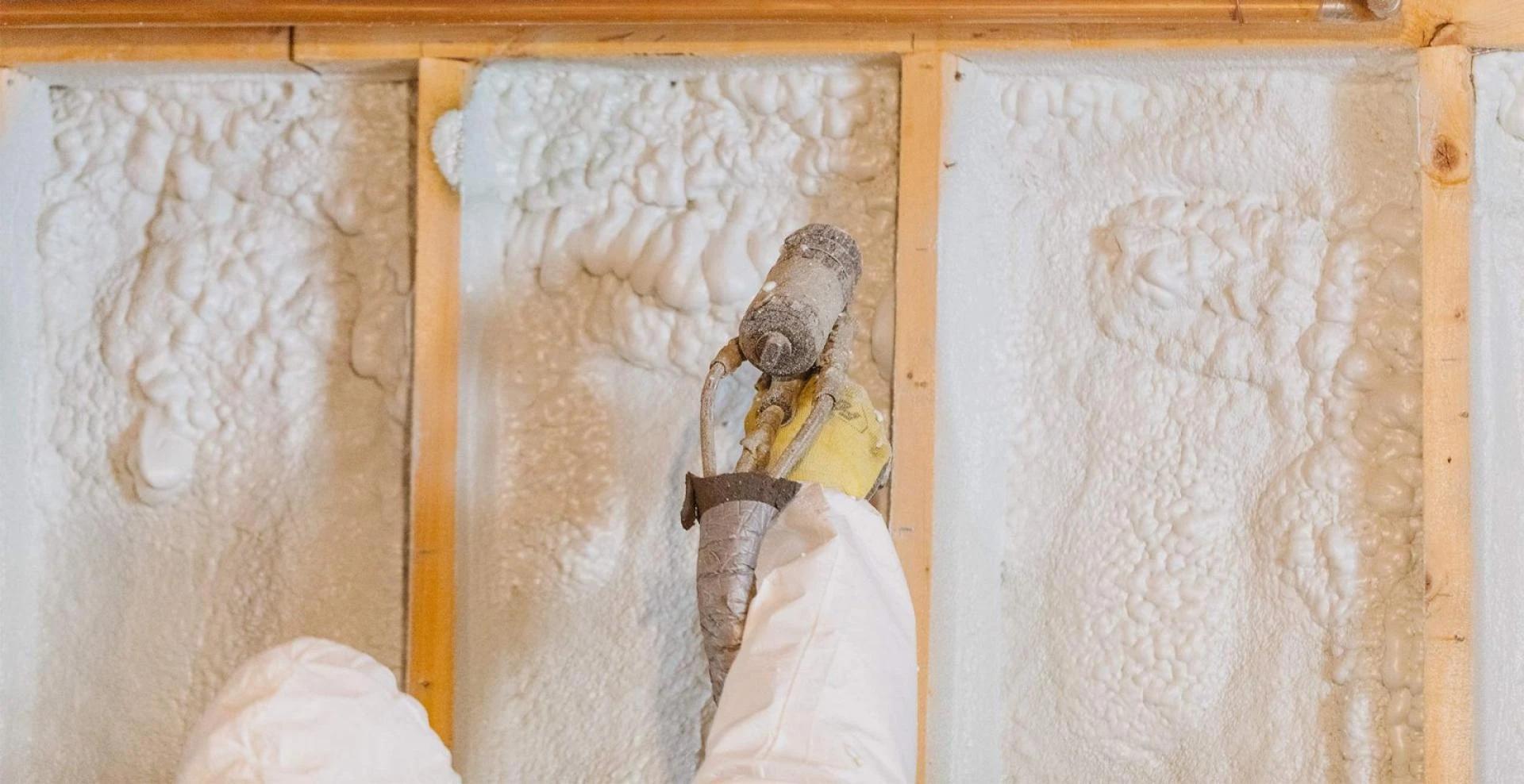
Spraying too thin, skipping passes, or using off-ratio mixes can leave voids. If using spray foam, monitor thickness and pattern carefully during application.
Compressed insulation in wall assemblies
Stuffing insulation into narrow gaps reduces its effectiveness. Each material has an optimal thickness—compressing it lowers thermal resistance.
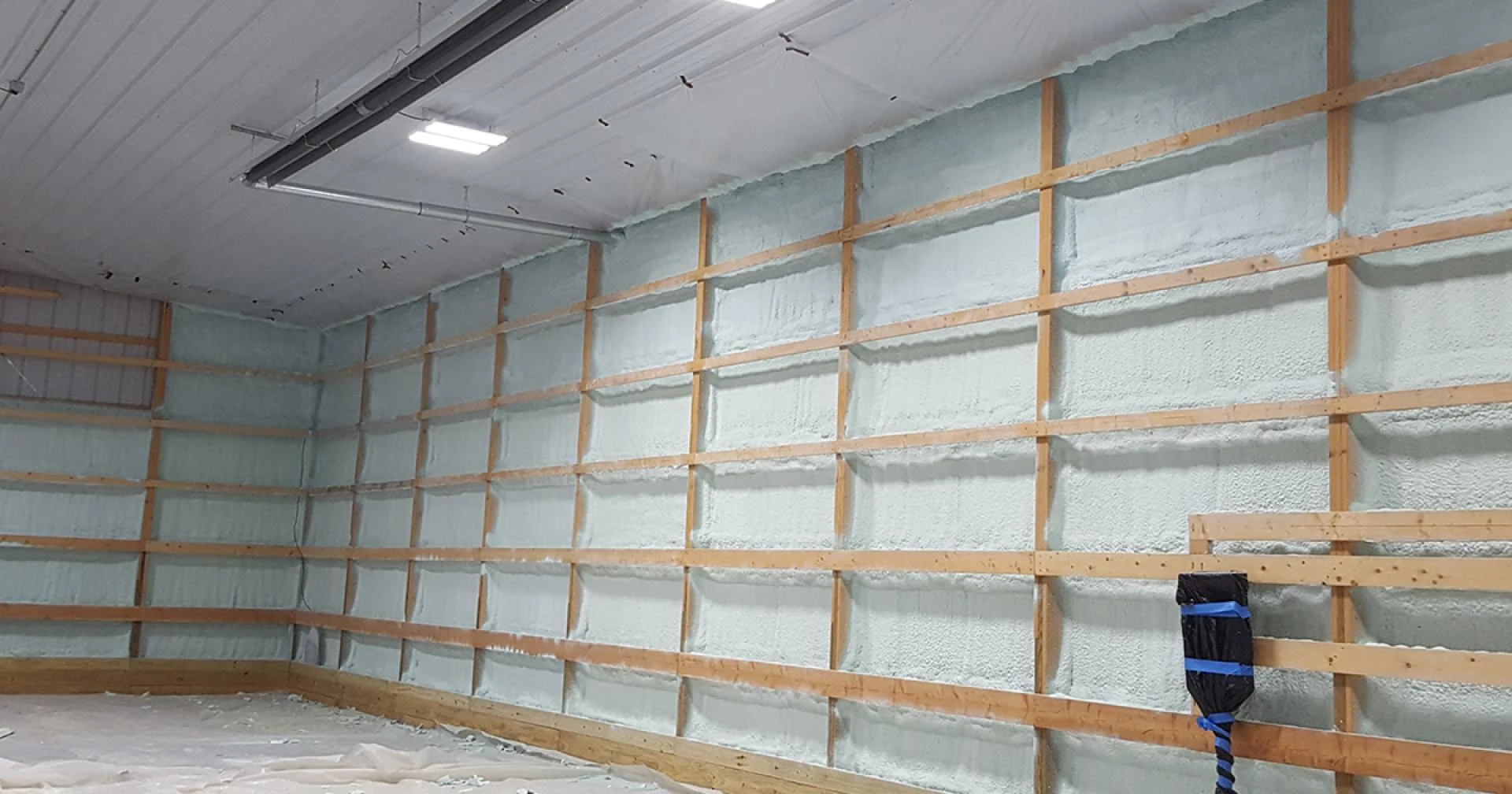
Mistake 6: Overlooking Safety and Fire Code Compliance
Insulation materials vary in combustibility and toxicity when exposed to heat. Certain applications, especially in occupied barns or buildings with equipment, must meet fire rating requirements.
No ignition barrier over spray foam
Exposed spray foam in barns should often be covered with an ignition barrier such as intumescent coating, drywall, or thermal board to meet code.
Flammable materials near heat sources
Avoid placing fiberglass, cellulose, or untreated foam near furnaces, space heaters, or engine sheds without protective shielding.
Not labeling materials
Some insulation products must remain accessible for inspection or emergency purposes. Maintain clear access and label material types when required.
Mistake 7: Failing to Plan for Future Maintenance or Modifications
Barns are often modified after initial construction—adding stalls, ventilation, lighting, or climate control. Poor insulation planning can make these upgrades harder later.
Covering access points
If insulation blocks wall panels, wiring paths, or ventilation ductwork, future service becomes difficult and may require insulation removal.
Not mapping insulation locations
For spray foam or rigid board, make a sketch of installed insulation areas, depths, and any fire-rated coatings used. This helps guide future upgrades or code inspections.
Temporary fixes treated as permanent
DIY insulation jobs that use scrap materials or one-off sealing solutions may not last. Evaluate whether each decision supports long-term durability and access.
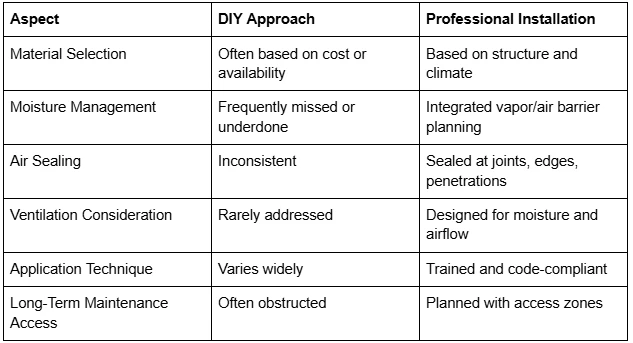
Comparison Table: DIY vs. Professional Barn Insulation
Conclusion
Agricultural insulation in barns can improve energy efficiency, animal comfort, and equipment protection—but only when installed correctly. Avoiding common mistakes such as ignoring air leaks, using the wrong materials, or neglecting moisture control helps maintain insulation effectiveness and extend its lifespan.
Each step—from selecting the right product to ensuring ventilation—is critical. For long-term results, approach barn insulation as part of a complete system, not a quick patch. Whether working with batts, foam, or board, taking time to seal gaps, monitor airflow, and verify placement will make a noticeable difference.
FAQs
Can I use the same insulation for my barn as I do in my house?
Not always. Barns often face higher moisture, unconditioned air, and animal exposure. Materials like spray foam or rigid board may be more appropriate than traditional fiberglass.
Do metal barns need a vapor barrier?
Yes, especially in cold or humid climates. Without a vapor barrier, condensation can form on cold surfaces and damage insulation or framing.
Is it safe to install insulation near barn heaters or machinery?
Only if rated for that use. Keep flammable materials away from heat sources and use fire-resistant insulation or protective barriers where needed.
What R-value should I aim for when insulating a barn?
It depends on climate and usage. For cold climates, R-30 or higher in ceilings and R-13 to R-19 in walls is common. Adjust based on whether the space is heated or ventilated.
Should I insulate the barn roof or ceiling?
If the barn is heated, insulating the ceiling can reduce heat loss. For unheated barns, roof insulation may help control condensation and protect stored items.
Author: Skeeter Aimone, co-founder of High Country Solutions, develops eco-friendly products to improve sustainability in outdoor gear. Brad Morrison leads the company’s technology strategy, creating systems that enhance outdoor experiences with a focus on environmental responsibility. Established in 2018, they bring years of experience to advancing sustainable outdoor living through high-performance, responsible insulation materials.
Reviewer: Samuel Harris has worked across various roles in spray foam insulation over 11 years. His review focused on how businesses can better present their services to both new and returning clients.
























Sign in to leave a comment.