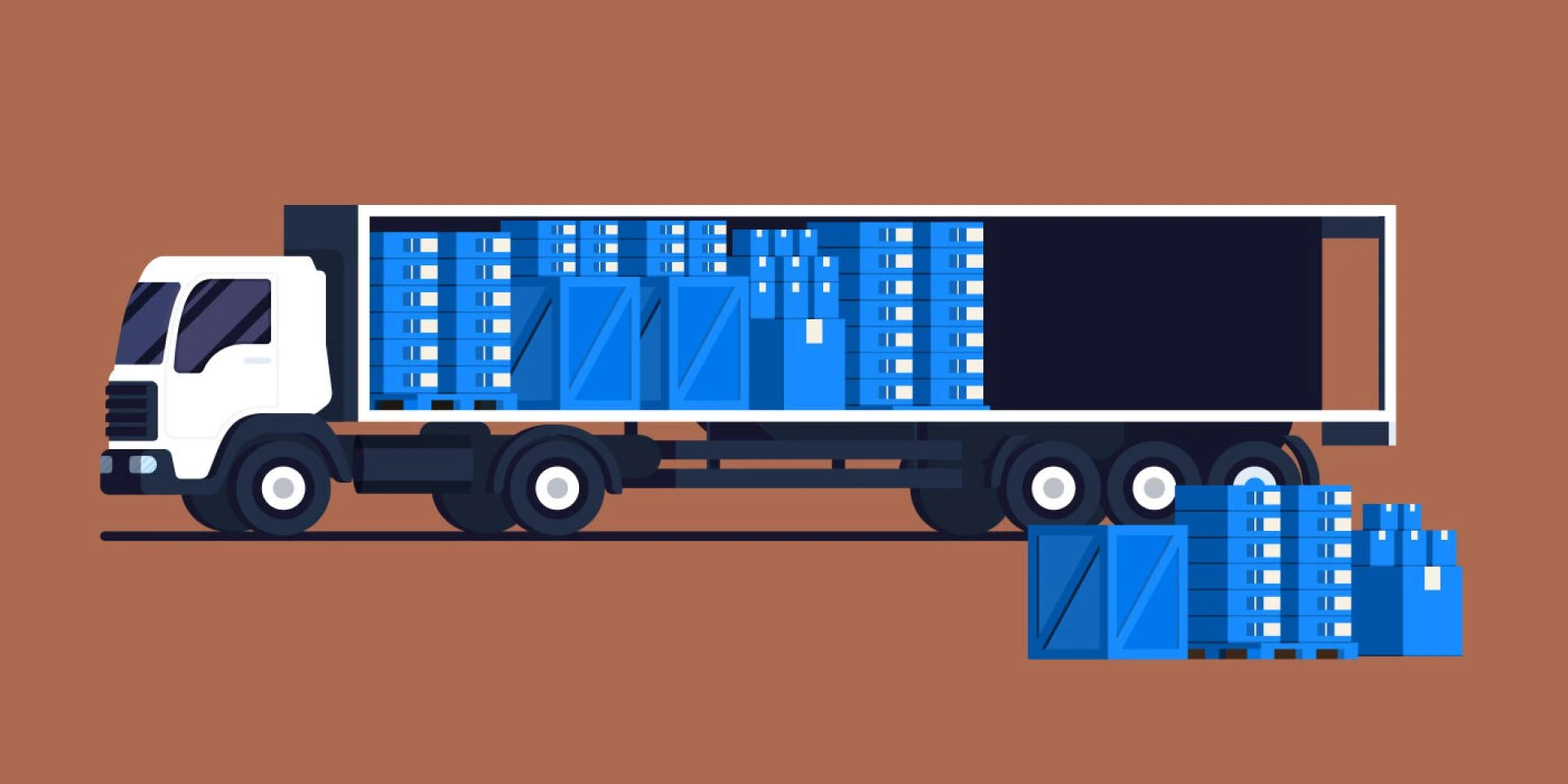

Load planning – an intricate yet indispensable part of fleet management.
But what is it exactly?
Well, in simple words, load planning is the process of organizing goods within a fleet vehicle in a manner that maximizes cargo space utilization.
Importance of load planning in fleet management
The US is an economic powerhouse. Hence, it is a nation where the logistics market is always growing.
With the help of load planning, a business in the US can reduce its transportation costs. Additionally, the business in question can also ensure that its clients receive goods at their doorstep, on time, every time! Load planning also plays a vital role when it comes to making fleet management of a business efficient and sustainable.
Other aspects of load planning that make it an important part of fleet management are the optimization of fuel usage and the eradication of supply chain disruptions.
Strategies for Load Planning in Fleet Management
One of the smart ways to manage the challenges of fleet management is to come up with strategies for load planning.
Some of the best strategies for load planning in fleet management are mentioned below.
Implementing fleet management software
Implementing fleet management software such as GPS fleet tracking devices in fleet vehicles helps to keep track of available space.
Advanced connected vehicle solutions also play a critical role in fleet management. For instance, businesses can automate and optimize their in-house fleet management processes using these systems.
How?
Well, the real-time data generated by telematics solutions allow businesses to utilize every square inch of cargo space within the fleet vehicles they own. When a manager knows which fleet vehicle is carrying what category of cargo and in which quantity, they will know how much space is available in these vehicles.
Periodic training and development
There are certain fleet tracking devices that track instances of hard braking and accelerations. The subsequent data can be used by fleet managers to zero in on the drivers who tend to drive rashly. Fleet managers, instead of firing such unruly drivers, can instead train them on proper fleet vehicle driving skills. For instance, unruly drivers can be trained to follow the 4-second rule.
Additionally, fleet managers can also track when a fleet driver has some work hours to spare. This supposedly ‘free’ time can be used to train fleet drivers about cargo stacking norms and cargo weight distribution within a fleet vehicle.
Real-time optimization of delivery routes
Data generated by a GPS tracker for fleet can be used to optimize delivery routes in real time. This is yet another example of how fleet GPS trackers benefit logistics and supply chains.
Why real-time optimization of delivery routes is important in terms of load planning?
Well, let us suppose you are a fleet manager tasked with managing the delivery of sensitive and extremely hazardous cargo. Using the data generated by the OBD tracker for fleet installed in one of your fleet vehicles, you have planned the perfect route that you know will not be congested when your fleet vehicle travels through it.
Additionally, you also utilized the analytical data in a bid to ascertain the perfect position for the cargo within the fleet vehicle so that it will remain stable even when the vehicle passes over undulations.
However, when the time came and your fleet vehicle laden with that hazardous and sensitive cargo was plying through the planned route, it got stuck in traffic. The deadline is quickly approaching and you are getting frantic calls from the client.
What do you do?
You log into the web app or the mobile app of your preferred vehicle tracking system and create an alternate delivery route for the cargo vehicle on the fly!
See?
Load planning in fleet management is impossible without the implementation of fleet GPS trackers and subsequent solutions.
Load planning is an intrinsic part of fleet management
The logistics industry in the US benefits from load planning backed by fleet management solutions. It is evident by now. Additionally, when the primary objectives of a business are to stay competitive, enhance fleet efficiency and overall refinement of day-to-day activities, there is no better alternative than connected vehicle solution-backed load planning.



























Sign in to leave a comment.