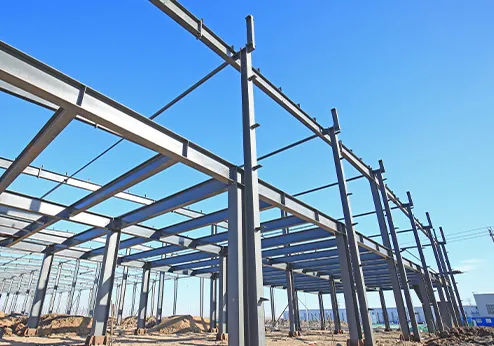

Buildings are not just walls and roofs. They are skeletons that hold everything together. You walk into a mall, a factory, a warehouse and you never see the skeleton unless something goes wrong. That skeleton is mostly a structural steel beam, quietly taking the load so the rest can move forward. In the rush to finish projects on time and on budget, the beam is the unsung hero that keeps the whole thing from collapsing under its own weight.
Most people talk about “innovation” and “smart materials” as if they were buzzwords. The reality is simpler. A steel beam is a piece of metal that can span a gap, carry a roof, and still flex a little when the wind blows. It does not need a fancy name or a marketing tagline. It just does the job, year after year, with very little upkeep. That is why contractors, engineers, and developers keep coming back to it, even when newer materials try to steal the spotlight.
Today, the pressure is on to build faster, cheaper, and greener. The old ways of using timber or heavy concrete are giving way to solutions that combine speed with durability. A structural steel beam fits that sweet spot perfectly. It can be fabricated off‑site, shipped in a single piece, and lifted into place with a crane in a matter of hours. The result is a building that rises quickly, stays strong, and leaves a smaller carbon footprint. In short, the beam is the bridge between what we need to build and what we can actually afford to build.
1. Why a Structural Steel Beam still rules the site
The first thing to understand is that a beam is not just a bar of steel. It is a engineered piece that resists bending, shear, and torsion all at once. When a load comes down from a roof or a floor, the beam spreads that load across a larger area, keeping stress below the failure point. That ability to handle multiple forces makes it the go‑to choice for everything from high‑rise towers to simple sheds. Even in a market flooded with composite and hybrid options, the plain steel beam still wins on reliability and cost‑effectiveness.
2. What a Structural Steel Beam actually does for you
At its core, a beam transfers weight from one point to another. But it also provides stiffness, limits deflection, and helps keep the whole structure aligned. A well‑placed beam can open up a floor plan, allowing wider spaces without extra columns. It can also be part of a larger system that includes joists, trusses, and columns, all working together to share the load. Because steel is strong in both tension and compression, a beam can carry heavy loads without needing to be massive. That means you get the strength you need without sacrificing floor space or adding unnecessary weight.
3. How to pick the right beam for your project
Choosing a beam is not about picking the biggest piece of metal you can find. You need to match the span, the load, and the environment. For indoor projects, a standard rolled beam often does the trick. For outdoor or corrosive settings, you might want a beam with a protective coating or a higher grade of steel. Design codes give you tables that tell you the minimum size for a given load, but the real work starts when you consider things like bolt holes, connection details, and the availability of prefabricated sections. In practice, engineers often start with a simple calculation, then tweak the size based on cost, speed of delivery, and how the beam will fit into the overall design. The goal is to pick a beam that does exactly what you need, without over‑engineering or under‑delivering.
The bottom line? A structural steel beam is not a flashy gadget. It is a workhorse that keeps modern buildings standing, moving, and growing. When you strip away the jargon, the question is simple: can it carry the load, can it be placed quickly, and can it survive the environment? If the answer is yes, you have found the right beam for the job.


















Sign in to leave a comment.