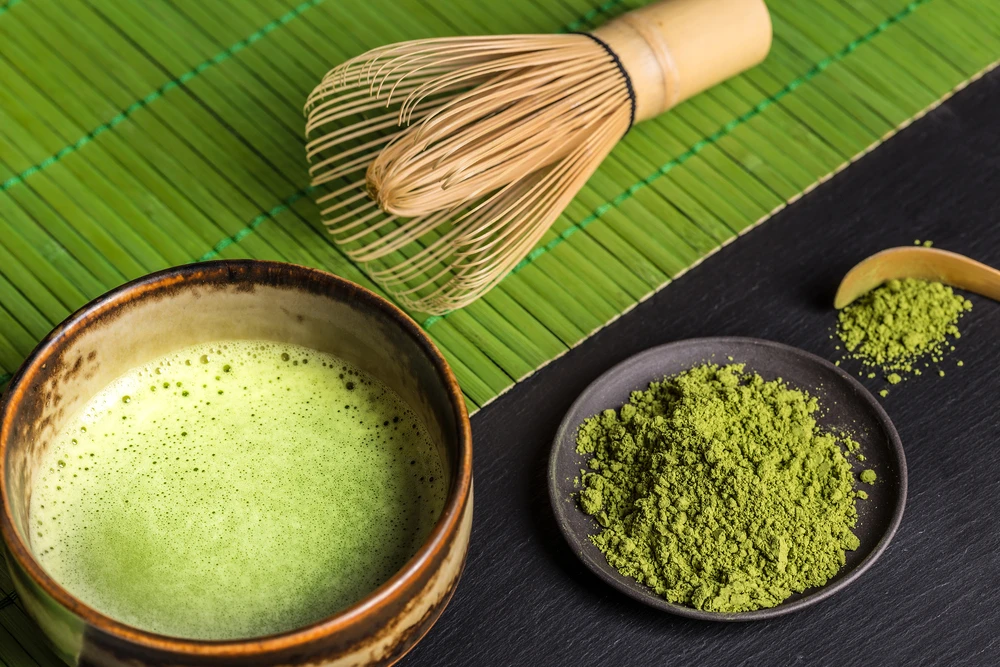
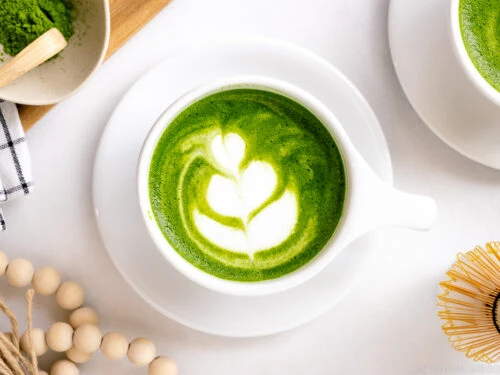
In recent years, matcha has surged in popularity worldwide, becoming more than just a drink—it's a lifestyle. Among the various types of matcha available, ceremonial grade matcha holds a prestigious position. Known for its vibrant green color, delicate flavor, and exceptional health benefits, ceremonial grade matcha is more than just tea—it’s an experience rooted in centuries of Japanese tradition. In this guide, we will explore everything you need to know about ceremonial grade matcha, from its origins to preparation, and why it deserves a special place in your daily routine.
What is Ceremonial Grade Matcha?
Ceremonial grade matcha is the highest quality of green tea powder available. Unlike culinary grade matcha, which is often used in cooking and baking, ceremonial grade matcha is intended to be whisked with water and enjoyed as a beverage. Its production involves meticulous care: only the youngest, most tender leaves are selected, shaded for weeks before harvest to boost chlorophyll content, and then carefully stone-ground into a fine, vibrant green powder. The result is a tea that is smooth, slightly sweet, and completely devoid of bitterness.
The Rich History of Ceremonial Matcha
The origins of ceremonial grade matcha trace back to the 12th century when Zen monks in Japan used powdered green tea as part of their meditation rituals. The practice was later refined into the Japanese tea ceremony, or chanoyu, a ritual that emphasizes mindfulness, aesthetics, and respect. In this ceremony, every aspect, from the utensils used to the way the matcha is whisked, carries symbolic significance. Drinking ceremonial grade matcha is therefore not just about taste—it’s about embracing a centuries-old cultural tradition that cultivates focus and tranquility.
Health Benefits of Ceremonial Grade Matcha
One of the reasons ceremonial grade matcha has gained global popularity is its numerous health benefits. Being made from the entire tea leaf, matcha contains higher concentrations of antioxidants, particularly catechins, than regular green tea. These antioxidants help neutralize harmful free radicals in the body, supporting overall health. Additionally, ceremonial grade matcha contains L-theanine, an amino acid known for promoting relaxation and mental clarity without causing drowsiness. Combined with a moderate amount of caffeine, it provides a balanced energy boost that is ideal for focused work or meditation.
How to Prepare Ceremonial Grade Matcha
Preparing ceremonial grade matcha requires attention and precision to truly appreciate its flavor and texture. Here’s a simple guide to enjoy this premium tea:
- Sift the Matcha: Use a fine mesh sifter to break up any clumps, ensuring a smooth, frothy tea. About 1–2 teaspoons of matcha is sufficient for a single serving.
- Heat the Water: The ideal water temperature is around 175°F (80°C). Boiling water can scorch the delicate leaves and produce bitterness.
- Whisk the Tea: Use a bamboo whisk (chasen) to whisk the matcha in a zigzag motion until frothy. This aerates the tea and creates a silky texture.
- Enjoy Mindfully: Drink the matcha slowly, savoring the subtle sweetness and vibrant green color. Ceremonial grade matcha is best enjoyed on its own, without milk or sweeteners, to fully appreciate its nuanced flavor.
Choosing the Best Ceremonial Grade Matcha
When purchasing ceremonial grade matcha, quality matters. Look for powder that is bright, emerald green, and finely ground. Avoid matcha that appears yellowish or brown, as this indicates lower quality leaves. Additionally, check the origin—Japan is renowned for producing the finest ceremonial grade matcha, with regions like Uji, Nishio, and Shizuoka being particularly famous. Authentic matcha should also have a smooth texture and a delicate, naturally sweet aroma.
Tips for Storing Matcha
Proper storage is essential to preserve the vibrant color and flavor of ceremonial grade matcha. Keep it in an airtight container, away from light, heat, and moisture. Refrigeration can extend its shelf life, but be sure to bring it to room temperature before opening to prevent condensation. When stored correctly, matcha can maintain its quality for several months, allowing you to enjoy the full experience with every cup.
Incorporating Ceremonial Matcha into Daily Life
While ceremonial grade matcha is traditionally enjoyed during tea ceremonies, it can easily be integrated into modern lifestyles. Start your day with a mindful cup to enhance focus, use it as a mid-afternoon energy booster, or take a moment to relax in the evening with this calming tea. Beyond drinking, you can even incorporate matcha into smoothies or light desserts, though for such purposes, culinary grade matcha is more suitable.
Why Ceremonial Grade Matcha is Worth the Investment
Although ceremonial grade matcha is more expensive than regular green tea or culinary-grade powders, its benefits, both cultural and health-related, justify the investment. Each cup offers not only superior flavor but also a moment of mindfulness and ritual in a busy world. For tea enthusiasts, the experience of preparing and drinking ceremonial grade matcha can become a cherished daily practice.
Conclusion
Ceremonial grade matcha is more than just a beverage—it’s a journey into Japanese tradition, a natural energy booster, and a treasure trove of health benefits. From its meticulous cultivation and vibrant green powder to its mindful preparation, it offers an unparalleled tea experience. Whether you are new to matcha or a seasoned enthusiast, embracing ceremonial grade matcha can elevate your daily routine, offering both taste and wellness in every sip.
Indulge in the elegance and mindfulness of ceremonial grade matcha, and let this timeless tea enrich your life, one cup at a time.




























Sign in to leave a comment.