
The user interface (UI) and user experience (UX) of a mobile application play a critical role in its success. A well-designed UI/UX can enhance user satisfaction, increase retention, and drive engagement. Crafting an intuitive UI/UX requires a deep understanding of user needs, thoughtful design considerations, and a focus on usability and accessibility. In this article, we will explore the art of crafting intuitive UI/UX for mobile app design.
Understanding User Needs
Before diving into the design process, it's essential to understand the needs and preferences of your target audience. Conducting thorough research and analysis can provide valuable insights into user behavior, preferences, and pain points. Creating user personas based on this research can help in designing a UI/UX that resonates with your target audience.
Designing for Accessibility
Accessibility should be a top priority when designing a mobile app UI/UX. Consideration for users with different abilities is crucial. This includes using color schemes that are accessible to color-blind users, providing alternative text for images, and ensuring that the app is navigable using assistive technologies.
Navigational Ease
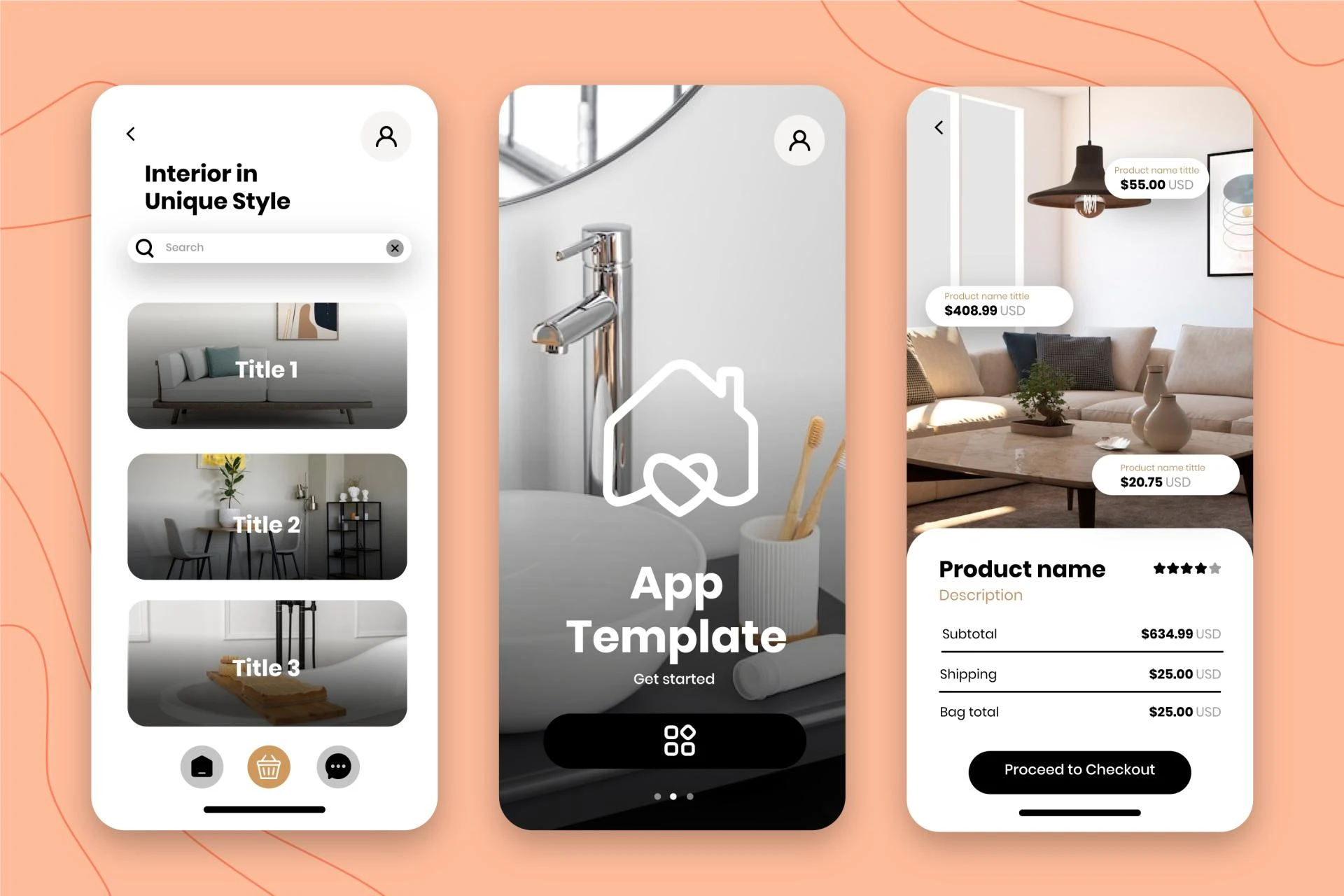
Navigation plays a vital role in the usability of a mobile app. A clear hierarchical structure and intuitive navigation patterns can help users find what they're looking for quickly and easily. Using familiar navigation patterns, such as tab bars and swipe gestures, can enhance the overall user experience.
Visual Consistency
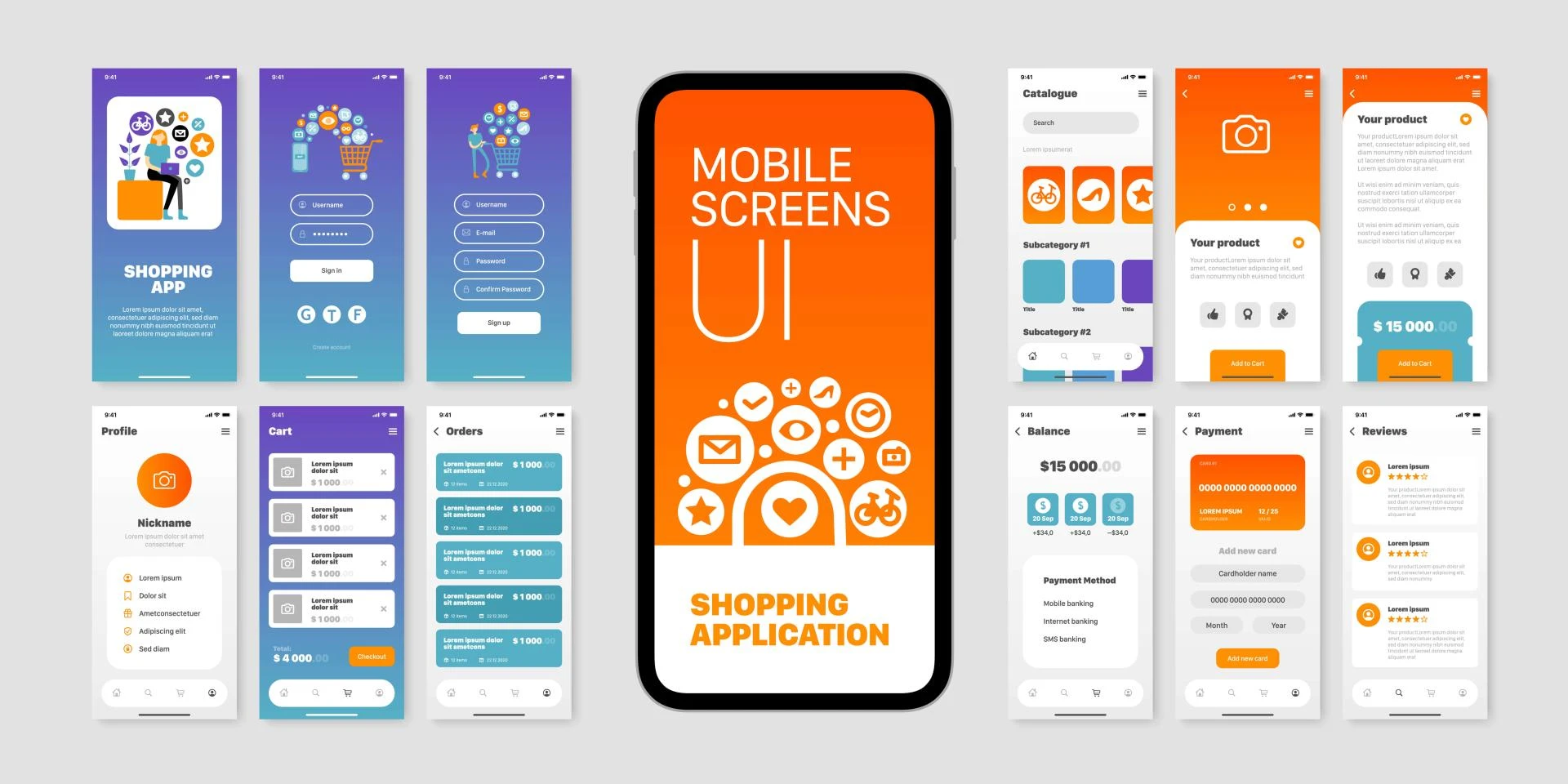
Visual consistency is key to creating a cohesive and intuitive UI/UX. Using consistent design elements, such as colors, fonts, and iconography, throughout the app can help create a seamless user experience. Utilizing UI kits and style guides can ensure consistency across different screens and functionalities.
Interactive Elements
Interactive elements, such as buttons, sliders, and animations, can enhance the usability and engagement of a mobile app. Providing visual feedback to user actions, such as button presses, can help users understand the app's response. Designing for touch-friendly interactions is also important, considering the prevalence of touch-screen devices.
Optimizing for Performance
Performance optimization is crucial for a smooth user experience. Minimizing load times, optimizing image and video assets, and efficiently using device resources can help improve app performance. Implementing lazy loading and caching mechanisms can further enhance the user experience.
Testing and Iteration
Usability testing is essential to ensure that the UI/UX meets user expectations. Gathering feedback from real users and incorporating it into the design can help refine the UI/UX and address any usability issues. Iterating on the design based on this feedback can lead to a more intuitive and user-friendly app.
Conclusion
Crafting an intuitive UI/UX for mobile app design is both an art and a science. It requires a deep understanding of user needs, thoughtful design considerations, and a focus on usability and accessibility. By following best practices and continuously iterating on the design based on user feedback, you can create a mobile app UI/UX that delights users and drives engagement.
My Fiver link for : Figma Landing Page Design Service




























Sign in to leave a comment.