
Design iteration is a fundamental aspect of the creative process, especially in fields like graphic design, product design, and user experience (UX) design. It involves refining and improving designs through multiple cycles of feedback, analysis, and implementation. This article explores the art of design iteration, its importance, benefits, best practices, real-world examples, tools, and challenges.
1. Introduction
Design iteration is the process of refining and improving a design through multiple cycles of feedback and modification. It is an essential part of the design process, allowing designers to create more effective and innovative solutions. Design iteration is not about making random changes; it is about carefully analyzing feedback, identifying areas for improvement, and making incremental changes to achieve the desired result.
2. Understanding the Design Iteration Process
The design iteration process typically begins with an initial design concept. This concept is then shared with stakeholders, clients, or users to gather feedback. Based on this feedback, the design is refined and modified, and the process is repeated until the design meets the desired criteria.
3. Benefits of Design Iteration
Design iteration offers several benefits, including improved user experience, increased creativity and innovation, and enhanced problem-solving. By continuously refining and improving designs, designers can create solutions that better meet the needs of users and stakeholders.
4. Best Practices for Design Iteration
To make the most of the design iteration process, designers should follow several best practices. These include starting with a clear goal, gathering diverse feedback, iterating in small, manageable steps, and testing and validating changes before finalizing the design.
5. Real-World Examples of Successful Design Iteration
Many successful companies have used design iteration to improve their products and services. For example, Apple is known for its iterative design process, which involves releasing new versions of its products with incremental improvements based on user feedback. Similarly, Airbnb has continuously evolved its design to create a more user-friendly experience for its customers.
6. Tools and Techniques for Effective Design Iteration
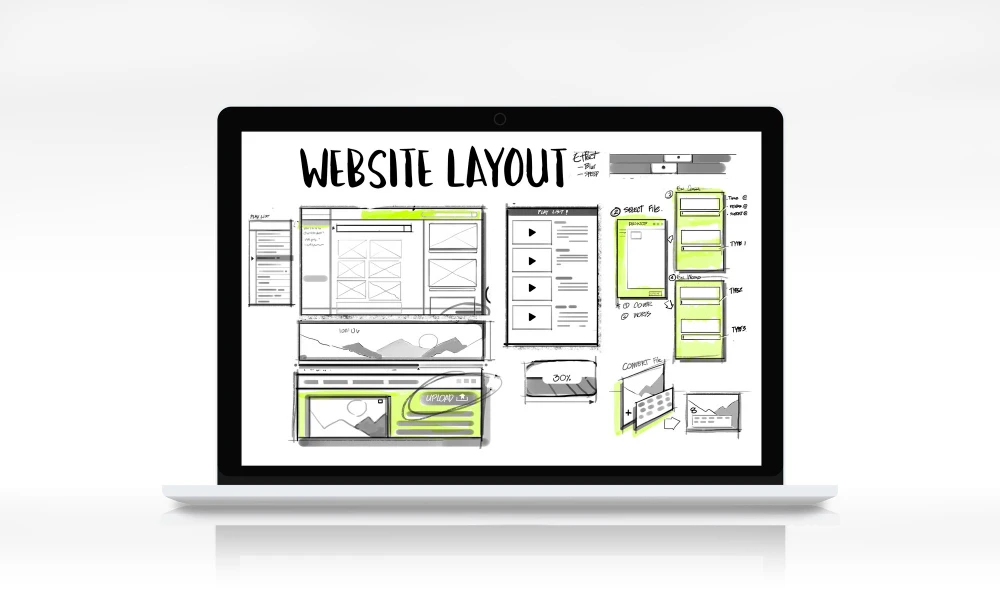
There are several tools and techniques that designers can use to facilitate the design iteration process. These include wireframing and prototyping tools, which allow designers to quickly create and test new design ideas, as well as usability testing methods, which help designers gather feedback from users.
7. Overcoming Challenges in Design Iteration
Despite its benefits, design iteration can also present challenges. One common challenge is dealing with conflicting feedback from different stakeholders. To overcome this challenge, designers should focus on gathering feedback from a diverse range of sources and using data to support their design decisions.
8. Conclusion
Design iteration is a powerful tool for refining and improving designs. By following best practices, gathering feedback, and using the right tools and techniques, designers can create more effective and innovative solutions that better meet the needs of users and stakeholders.
Visit my Upwork profile for - UI/UX design, Web design & Mobile design



















Sign in to leave a comment.