
Introduction
In the digital age, having a strong online presence is crucial for businesses, especially for those in e-commerce. Designing an online store goes beyond aesthetics; it's about creating an intuitive, engaging, and seamless experience for customers. This article explores the best practices for designing online stores that drive conversions and enhance user experience.
Understanding E-Commerce Design
E-commerce design encompasses the visual aspects and user experience of an online store. It includes everything from layout and color scheme to navigation and checkout process. A well-designed e-commerce website can significantly impact a customer's perception and likelihood to make a purchase.
User Experience (UX) Design
UX design focuses on creating a positive experience for users throughout their journey on the website. This includes easy navigation, clear product information, and a seamless checkout process. Implementing UX best practices can improve customer satisfaction and retention.
User Interface (UI) Design
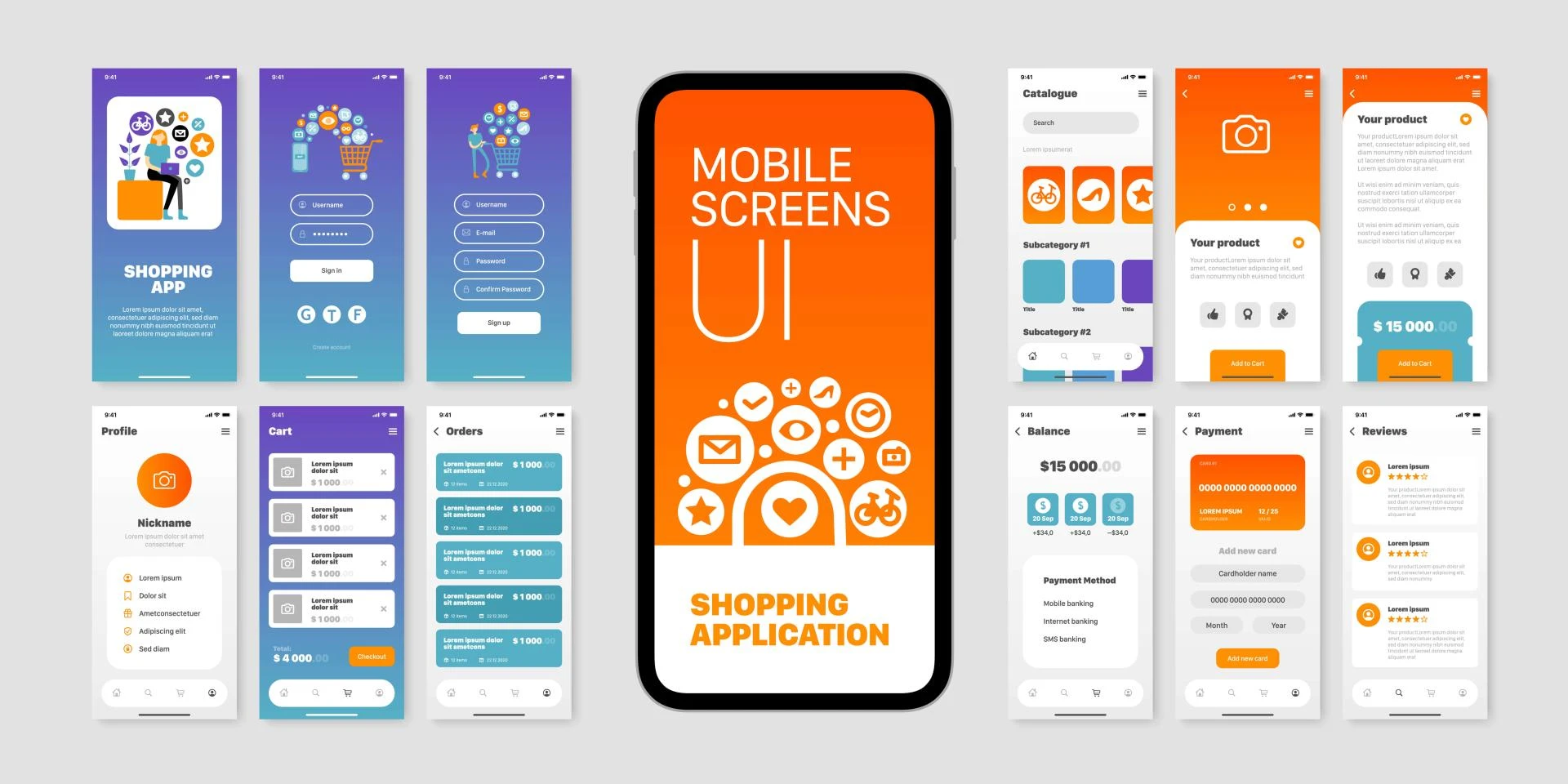
UI design focuses on the look and feel of the website, including elements like buttons, menus, and typography. A well-designed UI enhances usability and guides users toward desired actions, such as adding items to the cart or completing a purchase.
Mobile Responsiveness
With more users shopping on mobile devices, it's essential for e-commerce websites to be mobile-responsive. This means the website adapts to different screen sizes and devices, ensuring a seamless experience for mobile users.
Navigation and Search Functionality
Easy navigation and search functionality are critical for helping users find products quickly. Clear categories, filters, and a robust search feature can improve user experience and increase conversions.
Product Presentation
How products are presented can make a significant impact on purchasing decisions. High-quality images, detailed descriptions, and customer reviews can help users make informed choices.
Checkout Process
A smooth and intuitive checkout process is crucial for reducing cart abandonment rates. Simplifying forms, offering guest checkout options, and providing multiple payment methods can improve the checkout experience.
Security and Trust
Building trust with customers is essential for e-commerce success. Displaying security badges, using secure payment gateways, and offering a transparent return policy can help build trust and credibility.
Performance Optimization
Fast loading times and smooth performance are key factors in keeping users engaged. Optimizing images, using a content delivery network (CDN), and minimizing the use of third-party scripts can improve website performance.
Testing and Optimization
Regular testing and optimization are essential for improving the effectiveness of an e-commerce website. A/B testing, heatmaps, and user testing can provide valuable insights for optimizing design and functionality.
Customer Feedback and Iteration
Listening to customer feedback is key to continuously improving an e-commerce website. Incorporating feedback into design decisions and iterating based on customer preferences can lead to a more user-friendly and successful online store.
Conclusion
Designing for e-commerce requires a deep understanding of user behavior and best practices in design and usability. By focusing on user experience, mobile responsiveness, and performance optimization, businesses can create online stores that attract and retain customers.
Visit my Upwork profile for — UI/UX design, Web Design, Mobile design & Web app designer
Check out my amazing project catalog — iOS or Android Mobile APP UX/UI Design, Responsive website design & Crypto & NFT Mobile App UI Design





























Sign in to leave a comment.