
Introduction
Wireframing is a crucial step in the UX design process, serving as the blueprint for digital products like websites and mobile applications. It involves creating simplified, skeletal representations of the user interface to map out the structure and flow of a design. This practice is fundamental in visualizing user experiences, ensuring that the design is user-centric and functional before moving on to more detailed and polished stages.
Importance of Wireframing
Clarity and Focus: Wireframes strip away the visual design elements to focus on the structure and layout. This clarity helps designers and stakeholders concentrate on functionality and user flow without getting distracted by colors, fonts, or graphics.Efficiency: By creating wireframes early in the design process, teams can quickly iterate on ideas and make changes without the time-consuming effort of high-fidelity design adjustments. This efficiency saves time and resources.Collaboration: Wireframes act as a common language between designers, developers, and clients. They provide a visual reference that facilitates discussions and feedback, ensuring everyone is aligned on the project's direction.Usability Testing: Early-stage wireframes can be used for usability testing to gather feedback from real users. This feedback is invaluable for identifying potential issues and making necessary adjustments before investing in detailed design and development.The art of wireframing extends beyond mere visual representation; it encompasses a deep understanding of user behavior, information architecture, and design principles. Experienced wireframes possess the ability to translate complex user journeys into intuitive and logical flows, ensuring that the end product meets the needs and expectations of the target audience.
Types of Wireframes
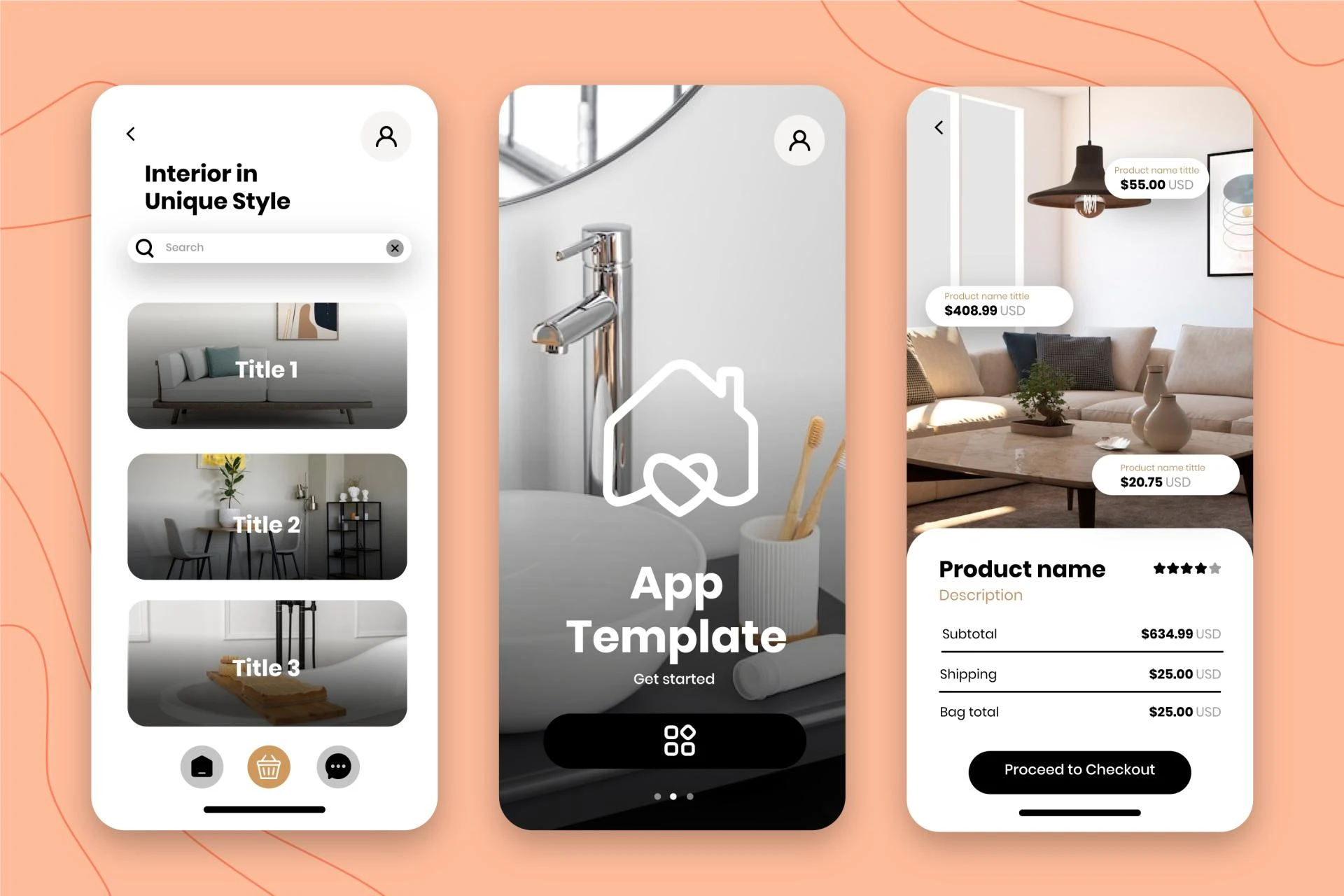
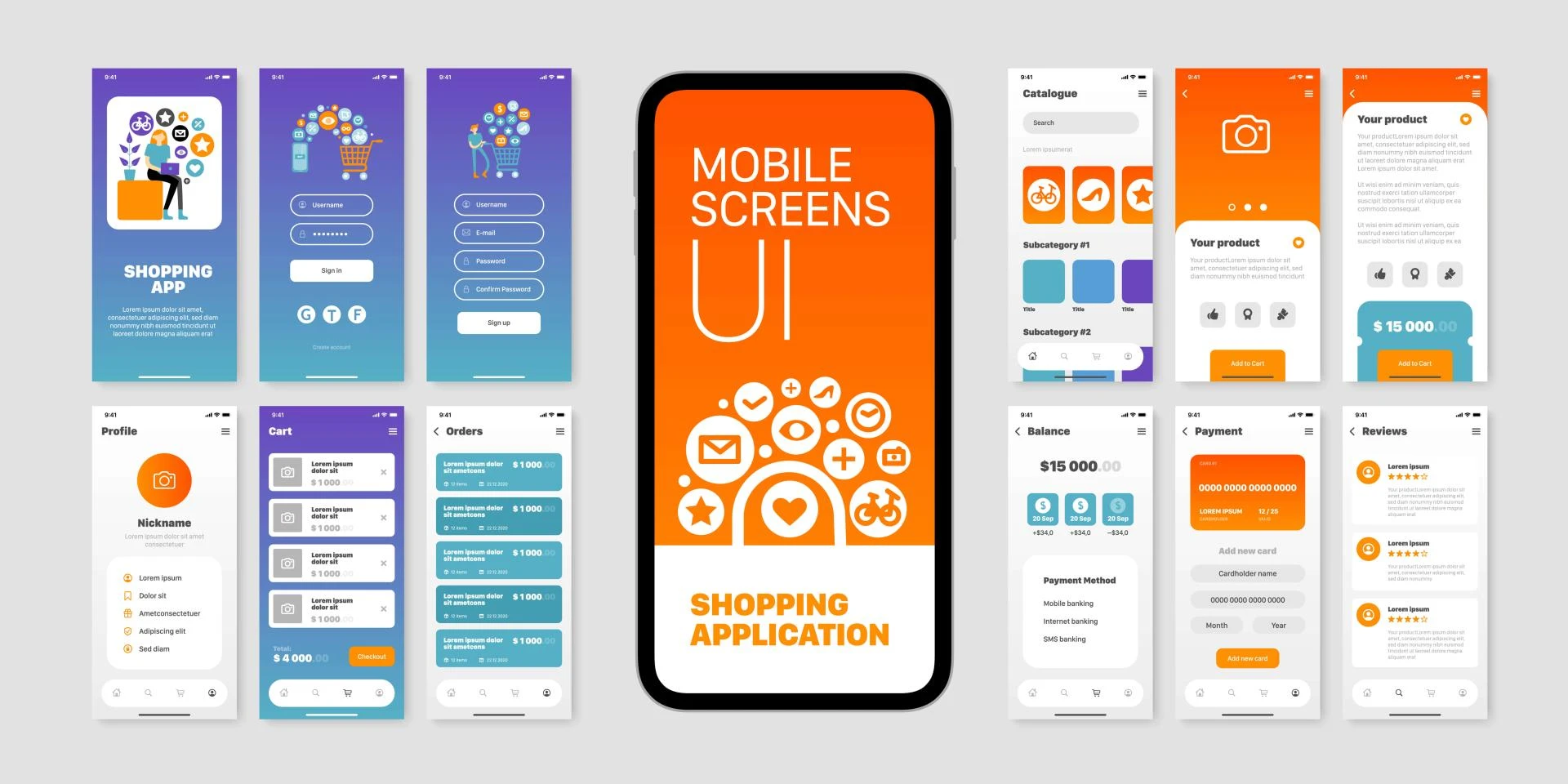
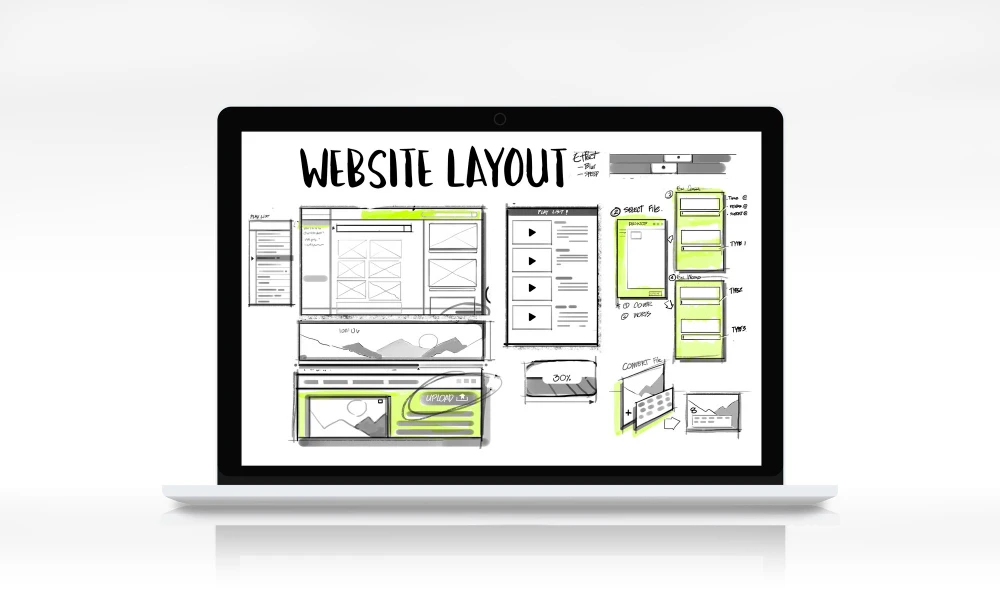
Low-Fidelity Wireframes: These are basic sketches, often created with simple tools or even on paper. They focus on the overall layout and structure, providing a quick and easy way to visualize the design concept.Mid-Fidelity Wireframes: These wireframes add more detail and are typically created using digital tools. They include more accurate placement of elements and may start to incorporate basic interaction elements, like buttons and input fields.High-Fidelity Wireframes: These are more detailed and closer to the final design, including precise spacing, typography, and sometimes grayscale images. They are useful for getting a more realistic view of the final product without committing to full visual design.Tools for Wireframing
Several tools are available to assist in creating wireframes, each offering unique features to cater to different needs:
Sketch: A popular design tool that allows for creating both low- and high-fidelity wireframes with ease.Adobe XD: Known for its intuitive interface and powerful features, Adobe XD is widely used for wireframing and prototyping.Figma: A collaborative design tool that is great for teams working on wireframes together in real-time.Balsamiq: Ideal for low-fidelity wireframes, Balsamiq mimics the look of hand-drawn sketches, making it easy to focus on structure without getting bogged down by details.Best Practices for Effective Wireframing
Keep It Simple: The primary goal of wireframing is to outline the structure and flow, not to create a polished design. Keep the wireframes simple and avoid unnecessary details.Use Consistent Elements: Consistency helps in creating a cohesive design. Use standardized elements and symbols to represent common UI components like buttons, menus, and input fields.Prioritize Content and Functionality: Ensure that the wireframe accurately represents the intended user journey and interactions. Focus on placing and organizing content in a way that supports the user's goals.Incorporate Feedback: Wireframes should be shared and reviewed by stakeholders and users. Incorporate their feedback to refine the design and ensure it meets user needs and expectations.Iterate and Evolve: Wireframing is an iterative process. Be prepared to create multiple versions of wireframes, refining and improving them based on feedback and testing.Conclusion
Wireframing is an art that lies at the heart of UX design, providing a visual and structural foundation for digital products. By focusing on the user experience early in the design process, wireframes help create functional, user-centric designs that effectively meet user needs. Embracing the art of wireframing leads to better collaboration, efficient design workflows, and ultimately, more successful digital products.
The art of wireframing is a crucial component of the design process, bridging the gap between concept and execution. By visualizing user experiences, facilitating collaboration, and identifying potential issues early on, wireframes empower designers to create intuitive and engaging digital products that truly resonate with their target audiences.
Devoq is a leading UI/UX design agency that specializes in creating exceptional user experiences for a wide range of digital products and services. With offices in both Pennsylvania and Rhode Island, they offer comprehensive UI/UX design solutions to clients across the United States. Their team of talented designers and developers leverages the latest design thinking methodologies and cutting-edge technologies to craft intuitive and visually stunning user interfaces that seamlessly blend form and function. Whether you're a startup seeking to establish a strong digital presence or an established enterprise looking to revamp your online offerings, devoq's UI/UX design agency in Pennsylvania and UI/UX design agency in Rhode Island are well-equipped to transform your ideas into captivating and user-centric digital experiences.


























Sign in to leave a comment.