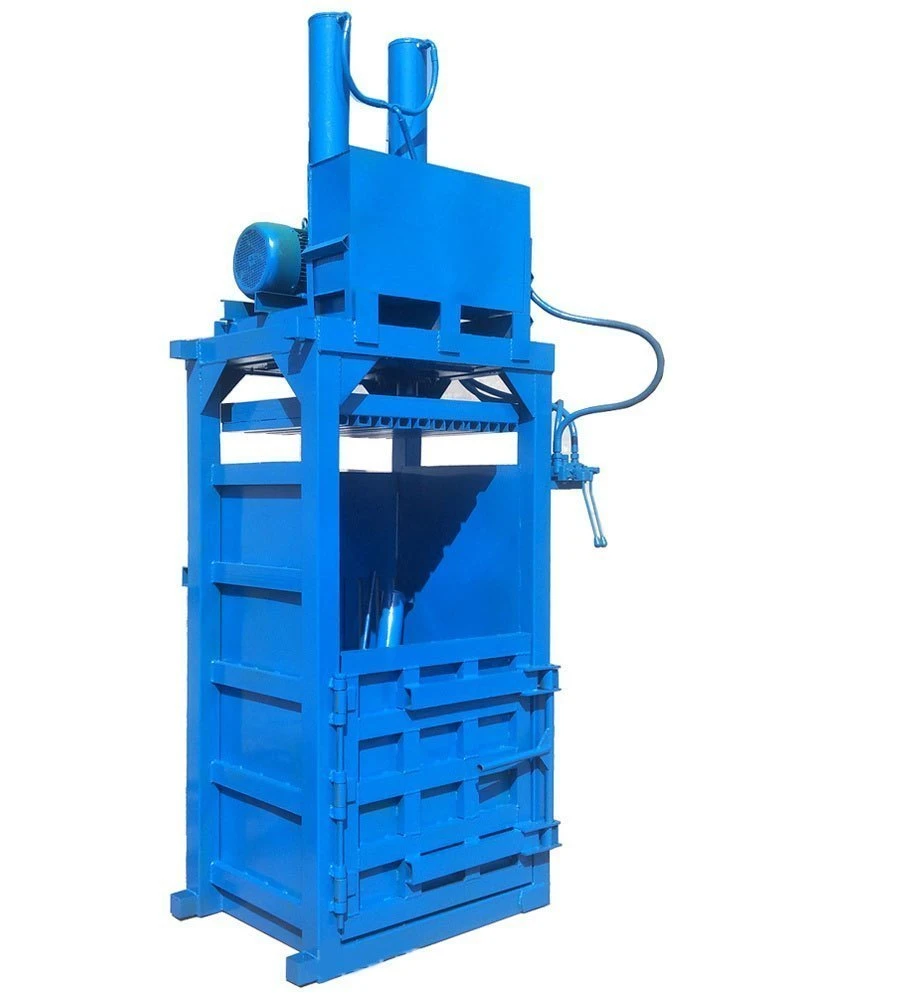

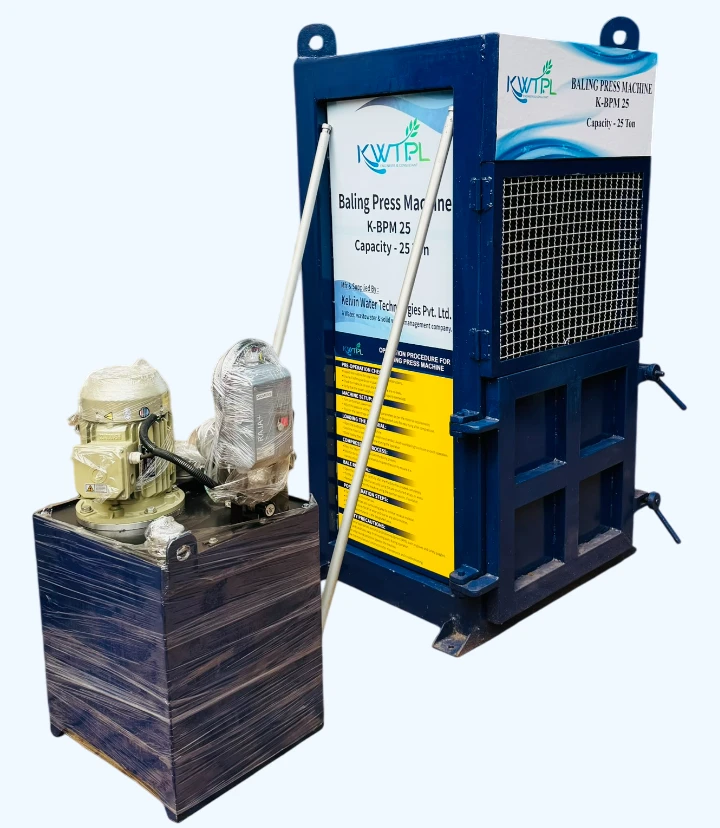
A baling press machine, commonly referred to as a baler, is an essential piece of equipment in the field of waste management and recycling. It compresses materials into compact bales, making them easier to handle, transport, and store. This essay explores the importance, types, operation, benefits, and challenges of using baling press machines in various industries.
Importance of Baling Press Machines
Waste Volume Reduction: Baling press machines significantly reduce the volume of waste materials, such as cardboard, plastic, paper, and metals. This reduction in volume translates to more efficient use of storage space and decreased transportation costs.Facilitation of Recycling: By compacting recyclable materials into manageable bales, balers streamline the recycling process. This enables recycling facilities to process materials more efficiently and enhances the overall recycling rate.Environmental Impact: Efficient waste management through baling reduces landfill usage and promotes recycling, contributing to environmental sustainability. Properly managed waste also minimizes pollution and conserves natural resources.Types of Baling Press Machines
Baling press machines come in various types, each designed to handle specific materials and meet different operational needs. The primary types include:
Vertical Balers:Operation: Vertical balers compress materials from the top down. They are typically used for smaller volumes of waste and are common in retail stores, supermarkets, and small recycling centres.Advantages: They are cost-effective, require less floor space, and are relatively easy to operate.Limitations: They may not be suitable for high-volume or heavy-duty applications.Horizontal Balers:Operation: Horizontal balers compress materials horizontally. They are designed for higher volumes of waste and are often used in large recycling facilities, warehouses, and manufacturing plants.Advantages: They can handle larger volumes of waste, are more automated, and produce denser bales.Limitations: They require more floor space and are typically more expensive than vertical balers.Automatic Balers:Operation: Automatic balers are highly automated and can operate with minimal human intervention. They are ideal for large-scale operations and continuous waste processing.Advantages: They offer high efficiency, consistent bale quality, and reduced labour costs.Limitations: They involve higher initial investment and require more sophisticated maintenance.Specialized Balers:Operation: These balers are designed for specific materials, such as textiles, tires, or aluminium cans. They ensure optimal compression and handling for types of waste.Advantages: They provide tailored solutions for niche waste management needs.Limitations: They may not be versatile enough for handling diverse materials.Operation of Baling Press Machines
The operation of a baling press machine involves several key steps:
Loading: Waste materials are loaded into the baler’s chamber. Depending on the type of baler, this can be done manually or through an automated feed system.Compression: The baler’s hydraulic or mechanical press compresses the materials into a compact bale. This process involves applying significant force to reduce the volume of the waste.Bale Tying: Once compressed, the bale is secured with binding materials such as wire, twine, or straps to maintain its compact shape. Automatic balers often have built-in tying mechanisms.Ejection: The finished bale is ejected from the machine, ready for storage, transport, or further processing. Some balers eject bales manually, while others use automated systems.Repeat: The process is repeated for each new load of waste materials, ensuring continuous operation and efficient waste management.Benefits of Baling Press Machines
Space Efficiency: By compressing waste materials into compact bales, balers maximize storage space. This is particularly important for businesses with limited storage areas.Cost Savings: Reduced waste volume leads to lower transportation and disposal costs. Additionally, businesses can save on waste management fees and potentially generate revenue from selling recyclable bales.Operational Efficiency: Baling press machines streamline waste handling processes, reducing the time and labor required to manage waste. This allows businesses to focus more on their core operations.Environmental Benefits: By promoting recycling and reducing landfill usage, balers contribute to environmental sustainability. They help conserve resources, reduce greenhouse gas emissions, and minimize pollution.Safety and Cleanliness: Baling waste materials reduces the risk of fire hazards and pest infestations. It also helps maintain a cleaner and more organized workspace.Challenges of Baling Press Machines
Initial Investment: The cost of purchasing and installing baling press machines can be high, particularly for automated and specialized balers. Businesses need to consider the long-term savings and benefits to justify the investment.Maintenance and Repairs: Regular maintenance is essential to keep balers operating efficiently and prevent breakdowns. This requires trained personnel and can involve additional costs for parts and service.Training and Safety: Proper training is necessary to ensure safe operation of balers. Operators need to be aware of potential hazards and follow safety protocols to prevent accidents.Space Requirements: While vertical balers are compact, horizontal and automatic balers require significant floor space. Businesses need to allocate adequate space for installation and operation.Material Compatibility: Not all balers are suitable for all types of waste materials. Businesses must choose the right type of baler for their specific waste management needs to ensure optimal performance.
Conclusion
Baling press machines are indispensable tools in modern waste management and recycling efforts. By reducing waste volume, facilitating recycling, and promoting environmental sustainability, they play a crucial role in efficient waste handling. Despite challenges such as initial investment and maintenance requirements, the benefits of using balers—such as cost savings, operational efficiency, and environmental protection—make them a worthwhile investment for businesses and recycling facilities. As technology advances and the demand for sustainable waste management solutions grows, baling press machines will continue to evolve, offering even more efficient and effective ways to manage waste.











Sign in to leave a comment.