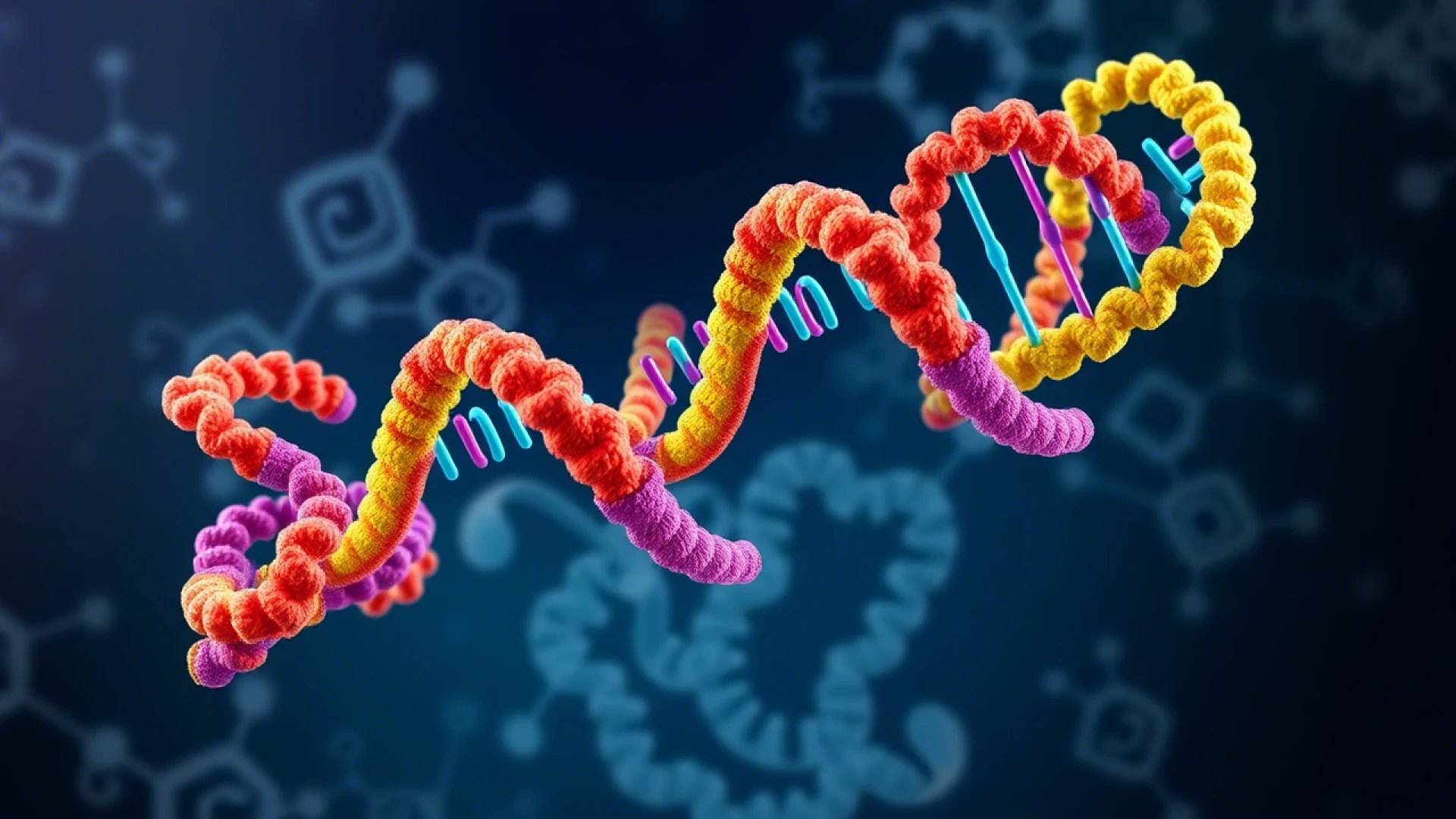

Proteins are described as molecular workhorses of life, with an astonishing variety of specific biological functions. These include such active proteins as retain their functional conformations, and catalytic activities in innumerable physiological processes.
By understanding their biological roles, we gain insight into their biochemical nature, which maintains living organisms at both cellular and systemic levels.
What are Active Proteins?
Active proteins are polypeptides in their working, native structural form, and have the ability to complete their particular biological functions.
These proteins can often be organised on the basis of binding substrates at an active site where a biochemical reaction takes place with very high specificity.
The Machinery of Molecules: Enzymatic Catalysis
Among the most important functions of active proteins is the role as enzymes, biological catalysts that catalyze chemical reactions.
The feature of enzymatically active proteins is their substrate specificity. The active sites of theirs are constituted by a particular amino acid sequence, forming a distinctive chemical environment.
As an example, salivary amylase catalyzes the degradation of amylose (an element of starch), so researchers can analyze the way enzymes break down a complex substance into forms that can be used as the source of energy.
The substrate affinity, catalytic capacity, and consequently activity of an enzyme are precisely dependent on the arrangement of amino acids at the active site of that enzyme.
Mechanical Roles and Structural Roles
Let's understand the mechanical roles and structural roles of active proteins:
- The structural proteins that include keratin (in hair and nails) and tubulin (in the cytoskeleton) ensure cell integrity, shape, and resistance.
- Smooth muscles use contractile proteins such as actin and myosin in the process of muscle contraction. These proteins obtain chemical energy and transform it to mechanical energy via an ATP-powered procedure involving binding and release mediated by their active sites.
- Correct folding and activation of these proteins make the tissues stable and allow them to move in a variety of ways, all the way up to gross motor activities.
Regulatory and Signaling Function
Hormones and receptors are active proteins that determine the course of physiological processes:
- Hormones such as protein-based ones like insulin are chemical messengers in the regulation of metabolic and glucose homeostasis. The binding of insulin to the receptor leads to a cascade of reactions related to glucose absorption. The essential process that maintains energy balance and avoids the development of diabetes.
- Signal transduction active proteins respond to any environmental signals sensed by external cells, transferring signals within the cell and organizing cellular reactions, which promote growth, differentiation, and immunity.
Transport and storage Functions
Active proteins are key transporters across biological membranes and in circulation:
- Hemoglobin is a complex globular active protein that has iron groups in heme, and it binds oxygen in the lungs and transports it to tissues.
- Albumin plays a part in blood plasma, transporting all sorts of substances and maintaining oncotic pressure.
- Developmental proteins (such as storage proteins, eg, legume storage proteins or egg albumin) store amino acids and nutrients in the course of development.
The Effect of Protein Structure on Activity
The activity of proteins consists of biological functions, which depend on the specifics of their structure.
Proteins are the folded products of linearly conjugated amino acids, forming complexes of tertiary and quaternary structures, giving rise to their operationally active centers.
NOTE: The biological effect is destroyed by denaturation (unfolding or disturbance of this structure by heat, PH changes, or chemicals).
Conclusion
Active proteins are needed molecules, the biological roles of which cover nearly all spheres of life.
Their activity can be characterized as exquisitely structurally specific, starting with catalyzing metabolism, maintaining cellular structure, controlling physiology, and transport of essential molecules, to protecting against pathogens.
Loss of protein functionality through mutation or denaturation elucidates the basis of most human diseases, which gives critical importance to the retention of protein functionality as the key to health.


















Sign in to leave a comment.