

In the fast-paced world of innovation, the ability to solve complex problems creatively has become a crucial skill. Design thinking has emerged as a powerful approach that fosters innovation by putting human needs at the center of the problem-solving process. Whether you're a designer, entrepreneur, or simply someone interested in cultivating a more innovative mindset, understanding the design thinking process can be a game-changer. In this blog post, we will delve into the step-by-step guide of the design thinking process, demystifying its stages and highlighting its significance in fostering innovation.
1. Empathize: Understanding the User's Perspective
The first stage of the design thinking process is to empathize with the end-users. This involves putting yourself in their shoes, understanding their needs, and gaining insights into their experiences. Through interviews, observations, and surveys, designers can gather valuable information that forms the foundation for the entire process. Empathy sets the stage for creating solutions that truly address the users' pain points and challenges.
2. Define: Clearly Articulating the Problem
After empathizing with the users, the next step is to define the problem. This stage involves synthesizing the gathered information and identifying the core issues that need to be addressed. It's essential to frame the problem in a way that guides the design process towards meaningful solutions. A well-defined problem statement serves as a compass, ensuring that the design team remains focused on solving the right challenges.
3. Ideate: Generating Creative Solutions
With a clear understanding of the problem, the ideation stage encourages creativity and brainstorming. This is the time to think outside the box, explore various possibilities, and generate a wide range of ideas. No idea is too far-fetched during this phase, as the goal is to foster innovation and consider unconventional solutions. Collaborative ideation sessions often lead to the emergence of novel concepts that can later be refined.
4. Prototype: Bringing Ideas to Life
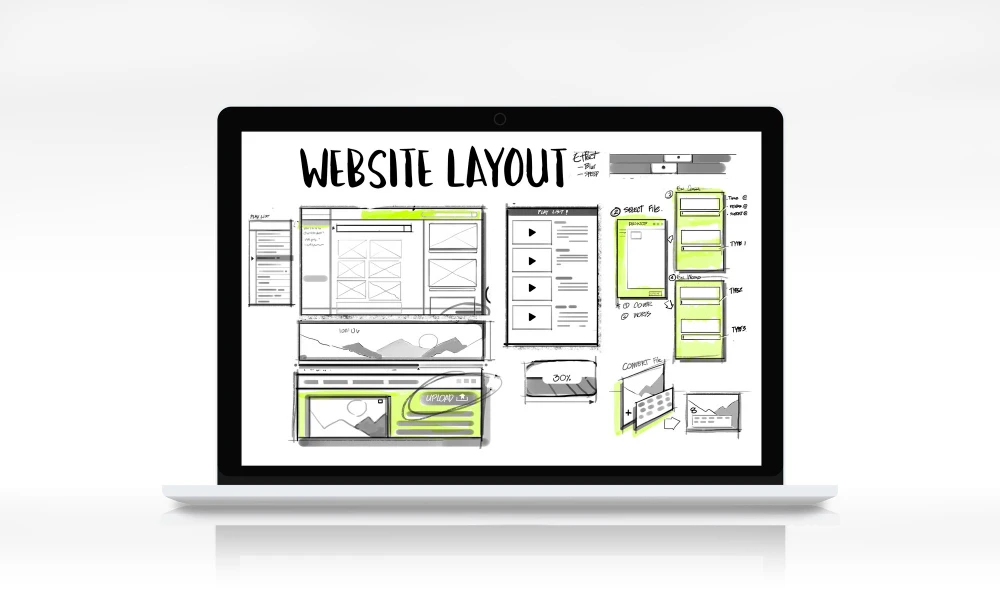
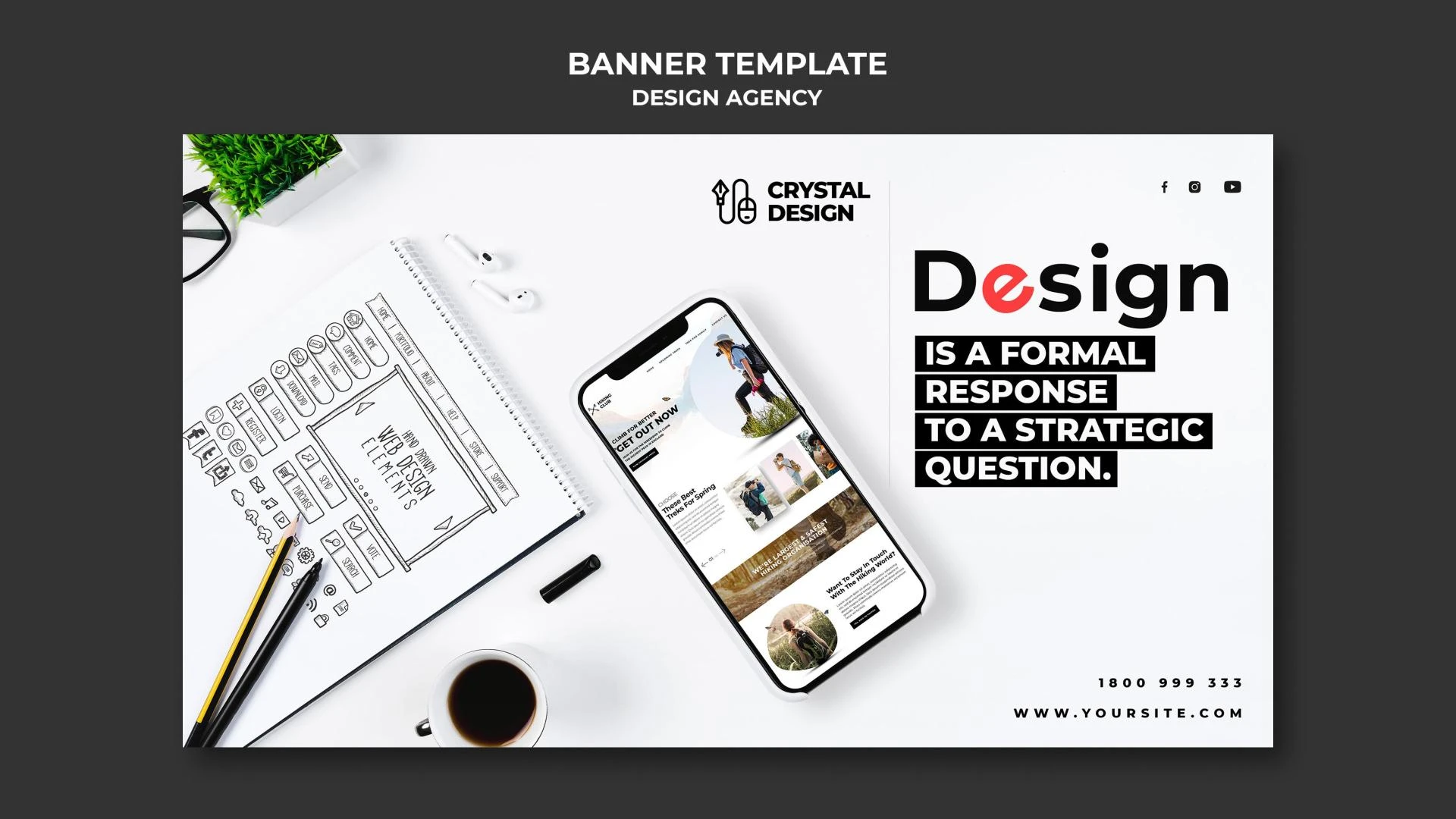
Once promising ideas have been identified, the design thinking process moves to the prototyping stage. Here, designers create tangible representations of their concepts, allowing for quick and cost-effective testing. Prototypes can take various forms, from physical models to digital simulations. The key is to produce a representation that provides a realistic feel of the proposed solution. Prototyping helps designers gather valuable feedback and iterate on their ideas.
5. Test: Gathering Feedback and Refining Solutions
Testing is a crucial step in the design thinking process. It involves presenting prototypes to end-users and stakeholders to collect feedback. This feedback loop allows designers to refine their solutions based on real-world insights. The iterative nature of testing ensures that the final product or solution aligns closely with user needs and expectations. Continuous refinement is a hallmark of design thinking, and this stage emphasizes the importance of learning from user interactions.
Conclusion: Cultivating a Culture of Innovation
The design thinking process offers a systematic and human-centered approach to problem-solving, fostering innovation across various industries. By empathizing with users, defining problems, ideating, prototyping, and testing, designers can create solutions that truly resonate with their target audience. Embracing the design thinking mindset goes beyond a specific project; it cultivates a culture of innovation within organizations, encouraging continuous improvement and creative problem-solving. As we navigate an increasingly complex and dynamic world, the design thinking process stands as a guiding light for those seeking to make a positive impact through thoughtful and user-centric design.
Visit my Upwork profile for - UI/UX design, Web design & Mobile design



























Sign in to leave a comment.