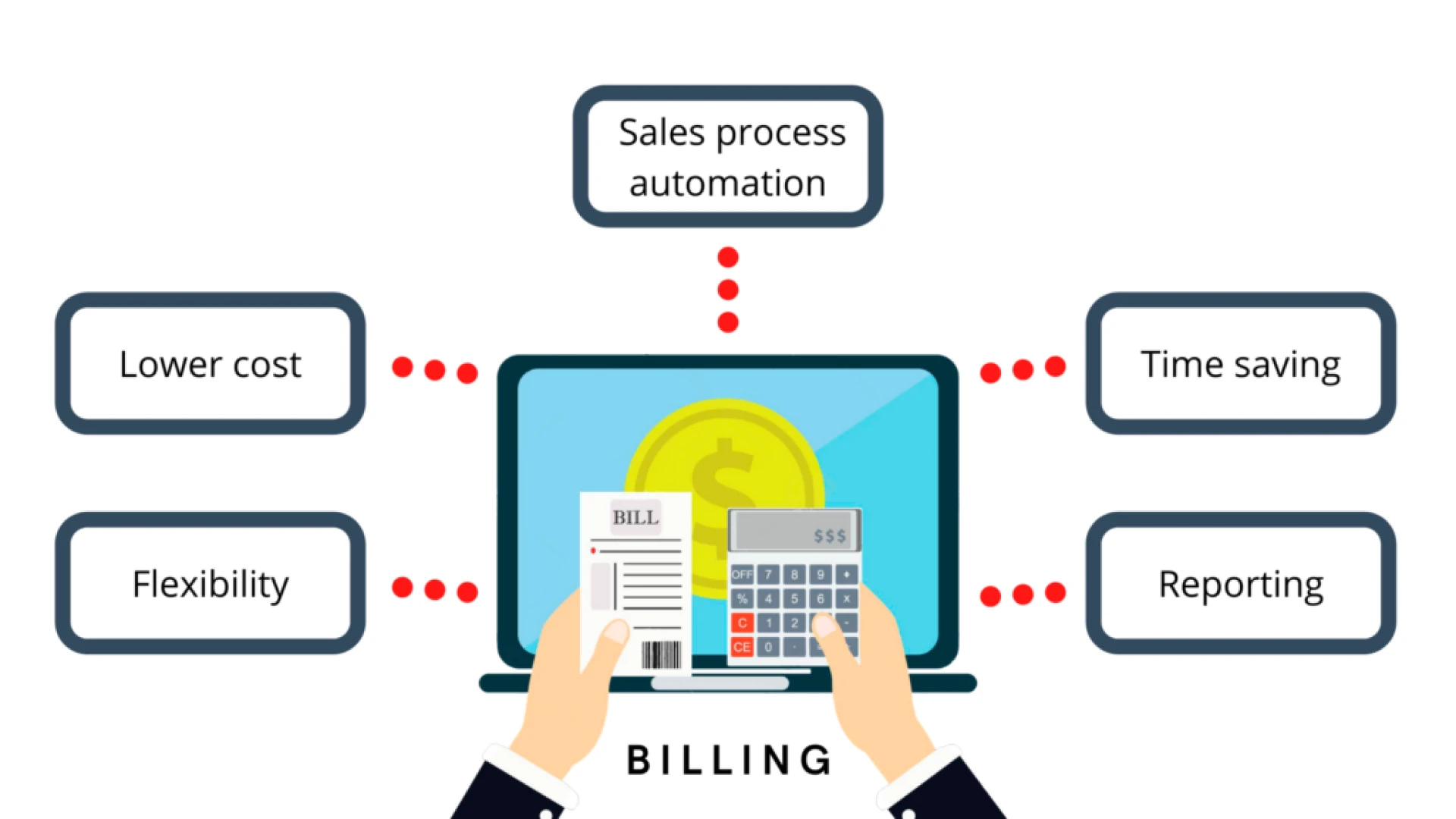

Introduction:
Effective billing management is a critical aspect of any business, ensuring timely and accurate invoicing, revenue tracking, and customer satisfaction. Whether you are a small startup or an established enterprise, having a well-organized billing management system is vital for sustained growth and financial stability. In this comprehensive guide, we will explore the essential components and best practices for effective billing management to help you optimize your processes and achieve greater success.
Understanding Billing Management:
Billing management encompasses the entire lifecycle of invoicing and revenue tracking for products or services provided to customers. It involves generating invoices, tracking payments, managing subscriptions, handling disputes, and reconciling accounts. A robust billing management system streamlines these processes to ensure accuracy, efficiency, and compliance with regulatory requirements.
Key Components of Billing Management:
Invoice Generation: Accurate and timely invoicing is crucial for cash flow management and maintaining a positive customer experience. Automated invoice generation reduces human errors and ensures consistency in formatting and content.Payment Processing: Efficient payment processing is essential for collecting revenue promptly. Integrating various payment methods and gateways simplifies the payment process for customers and minimizes delays in receiving funds.Subscription Management: For businesses offering subscription-based services, effective subscription management is vital. This involves handling recurring billing, renewals, upgrades, and cancellations.Revenue Recognition: Properly recognizing revenue is essential for accurate financial reporting. Revenue recognition principles differ depending on the business model and industry, and adherence to these principles is crucial for compliance.Dunning Management: Handling customer payment failures and managing dunning processes is necessary to reduce churn and recover lost revenue due to failed transactions.Reporting and Analytics: Robust reporting and analytics tools provide valuable insights into billing performance, revenue trends, customer behavior, and outstanding payments. These insights help in making informed business decisions.Benefits of Effective Billing Management:
Implementing effective billing management offers several advantages to businesses:
Improved Cash Flow: Streamlining invoicing and payment processing results in faster cash inflows, ensuring better cash flow management.Reduced Errors: Automated billing systems minimize human errors, ensuring accurate and error-free invoices.Enhanced Customer Experience: Timely and transparent billing practices lead to greater customer satisfaction, fostering long-term relationships.Increased Efficiency: Automating billing processes saves time and resources, allowing your team to focus on core business activities.Compliance and Audit Readiness: An organized billing management system ensures compliance with accounting standards and regulatory requirements, simplifying audits.Better Decision Making: Comprehensive billing analytics help in identifying revenue patterns, customer preferences, and growth opportunities, enabling data-driven decision-making.Best Practices for Effective Billing Management:
Invest in a Robust Billing System: Choose a billing system that aligns with your business needs, integrates with other software solutions, and provides scalability for future growth.Automate Billing Processes: Automation reduces manual interventions, improves accuracy, and accelerates billing cycles. This includes automatic invoice generation, payment reminders, and subscription renewals.Ensure Data Security: Protect customer information and financial data by implementing robust security measures and complying with data protection regulations.Offer Multiple Payment Options: Provide customers with various payment methods, such as credit cards, bank transfers, and digital wallets, to enhance convenience and increase the likelihood of timelyEstablish Clear Billing Policies: Clearly communicate billing terms, payment deadlines, and penalties for late payments to customers to avoid confusion and disputes.Implement Dunning Processes: Set up dunning processes to handle payment failures promptly and encourage customers to update their payment details.Regularly Review and Optimize: Continuously evaluate your billing processes and make improvements based on customer feedback, industry best practices, and changing business requirements.Train and Educate Staff: Ensure your team is well-trained in using the billing system and updated on billing policies and procedures to minimize errors and enhance efficiency.Conclusion:
Effective billing management is the backbone of any successful business. By investing in the right billing system, automating processes, and adhering to best practices, businesses can streamline invoicing, optimize revenue tracking, and foster positive customer experiences. A well-organized billing management system not only improves financial stability but also provides valuable insights to drive business growth and success in the long run. Embrace the essential principles outlined in this guide and take your billing management to new heights of efficiency and effectiveness.
Work 365 is a subscription billing service and Azure billing automation for Microsoft partners and software vendors.

























Sign in to leave a comment.