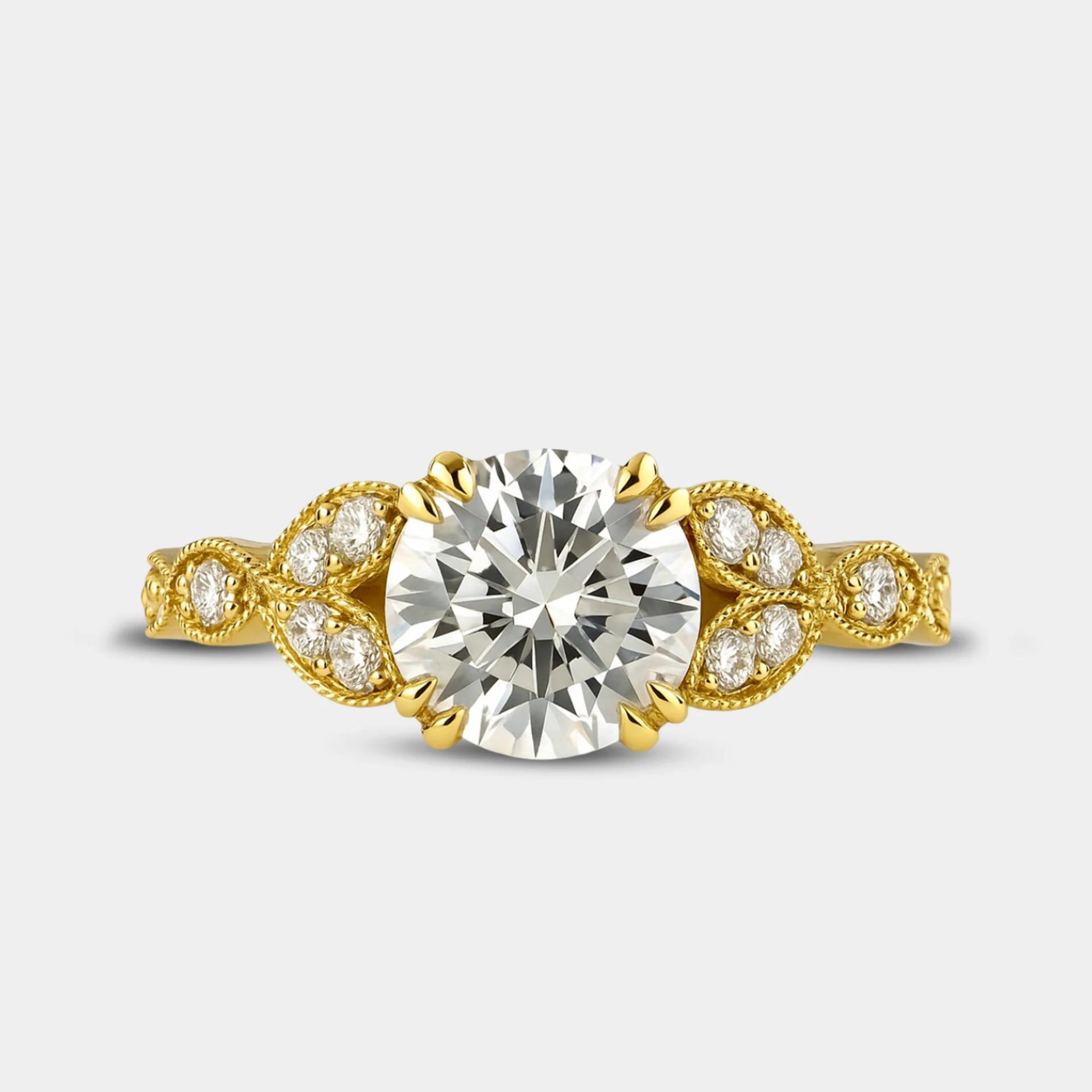

Marriage has been celebrated for centuries with traditions that bind two souls together, and among the most cherished symbols of this union are wedding rings. Beyond being beautiful ornaments, they represent love, commitment, and a lifetime promise shared between partners. A simple band of gold, silver, or even platinum holds a depth of meaning that transcends cultures and generations.
The tradition of exchanging rings goes back thousands of years. From ancient civilizations to modern societies, this symbolic circle has endured, evolving in style yet never losing its significance. In today’s world, where couples seek both beauty and personalization, wedding rings embody not just tradition but also individuality.
Let’s explore the timeless symbolism, cultural value, and modern trends surrounding these meaningful pieces of jewelry.
The History Behind Wedding Rings
The origin of Wedding Rings dates back to ancient Egypt, around 3000 years ago. Egyptians believed that the circle represented eternity—without beginning or end—making it the perfect emblem of endless love. They crafted rings from braided reeds and hemp, which were later replaced by more durable materials like leather and ivory.
The Romans continued the tradition, adding their own interpretation. They saw the ring as a symbol of ownership, where a husband gave a ring to signify his claim over his bride. Over time, this perception evolved into a mutual bond of love and respect.
During the Middle Ages, gold rings became popular among the nobility, often engraved with romantic messages. The placement of the ring on the “ring finger” of the left hand also has historical roots. Ancient people believed a vein, known as the “vena amoris,” ran directly from this finger to the heart, making it the most fitting spot for a symbol of love.
The Symbolism of the Circle
The circular shape of wedding rings is universally recognized as a powerful metaphor. Unlike other shapes, the circle has no breaks, signifying eternal unity and infinite devotion. It serves as a daily reminder to couples that their love is not bound by time or circumstance.
The ring also reflects continuity—the idea that marriage is not just about the present moment but about creating a shared journey of growth, challenges, and triumphs. This simple piece of jewelry becomes a living testament to vows exchanged and promises kept.
Materials and Their Significance
Over the centuries, wedding rings have been crafted from a variety of materials, each carrying its own symbolism and style.
- Gold: Traditionally the most popular choice, gold signifies wealth, warmth, and timeless beauty. Yellow gold remains classic, while white and rose gold offer modern twists.
- Platinum: A rare and durable metal, platinum symbolizes strength and purity. Its resilience makes it a preferred choice for those who want a ring that lasts a lifetime.
- Silver: Known for its affordability and elegance, silver rings are sleek and sophisticated, though less durable than gold or platinum.
- Gemstones and Diamonds: Many rings feature diamonds, representing strength and unbreakable love. Other gemstones like sapphires, emeralds, or rubies add color and personal meaning to the design.
Modern couples often choose custom-made rings, embedding personal touches such as engravings, birthstones, or unique patterns to make them even more meaningful.
Wedding Rings Across Cultures
The symbolism of rings may be universal, but customs surrounding them vary across cultures.
- Western Traditions: In most Western countries, rings are worn on the left hand. Engagement and wedding rings are often paired together, with the wedding ring placed closest to the heart.
- Eastern Traditions: In some Asian cultures, rings may be worn on the right hand, symbolizing energy and action.
- Indian Culture: Rings are important but are often complemented with other jewelry such as mangalsutras or bangles that also signify marital commitment.
- Modern Fusion: Many multicultural couples blend traditions, wearing rings in unique ways that honor both backgrounds.
This diversity shows that while styles and customs differ, the core meaning of the ring as a token of love remains unchanged.
Modern Trends in Wedding Jewelry
Today’s couples are redefining what wedding rings look like. Minimalist bands, eco-friendly materials, and lab-grown diamonds are gaining popularity as people seek both beauty and sustainability. Many jewelers also offer ethically sourced metals and stones, ensuring that the ring is as meaningful in its creation as it is in its symbolism.
Personalization is also on the rise. Couples often engrave meaningful dates, initials, or even short quotes inside the band. Some even design completely unique rings together, making the process part of their love story.
Unisex designs are becoming increasingly popular, where both partners wear similar rings to emphasize equality and unity. This modern approach reflects changing views on marriage—where love, respect, and partnership are at the forefront.
The Emotional Value
Beyond the material, wedding rings carry immense emotional value. They are not just gifts but constant reminders of the vows made on a wedding day. For many, the ring becomes a treasured heirloom, passed down through generations and carrying stories of enduring love.
Even after decades, couples often look at their rings with the same joy and pride they felt on the day they exchanged them. This is why many people say that a ring is not just an accessory but a living symbol of a relationship’s journey.
Conclusion: A Circle Without End
From ancient reeds to modern custom designs, wedding rings have evolved in style yet remained steadfast in meaning. They encapsulate eternity, love, and the unbreakable promise of two lives intertwined. Whether crafted from gold, platinum, or adorned with diamonds, these rings are far more than jewelry—they are timeless declarations of devotion.
As couples continue to reinvent traditions while honoring the past, the wedding ring remains one of the most powerful symbols of love. It is, and will always be, a circle without end.
































Sign in to leave a comment.