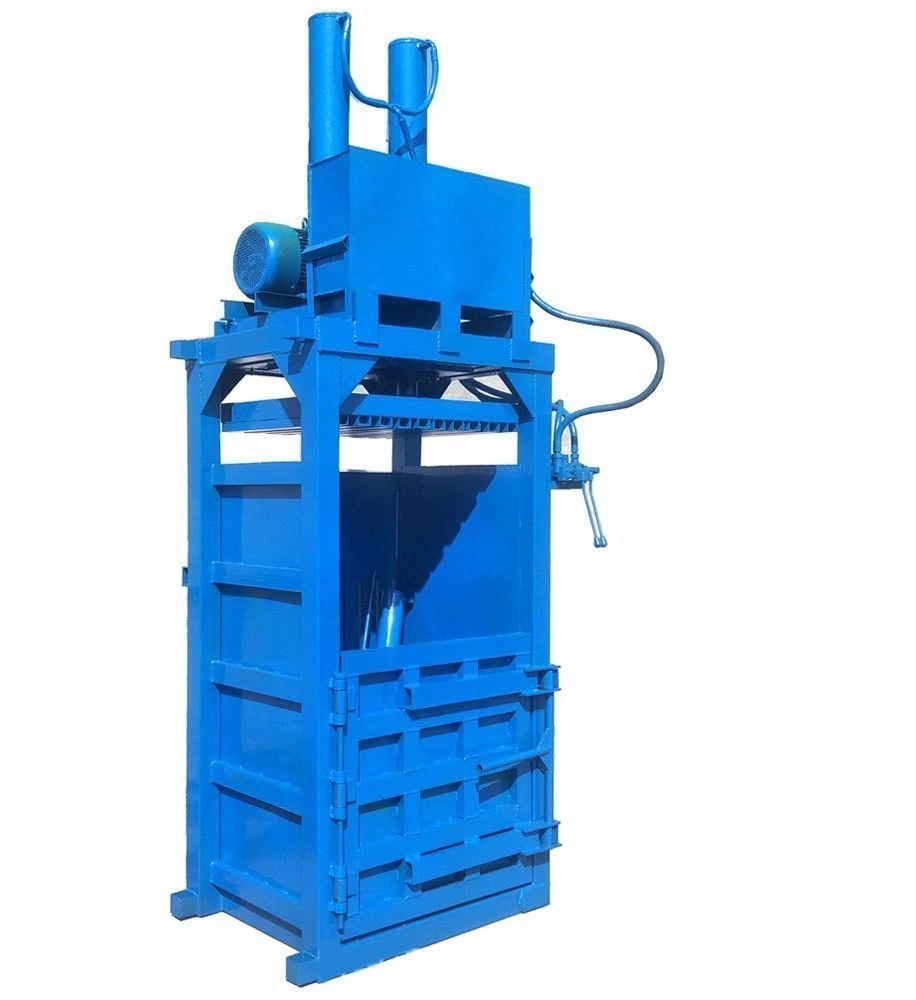

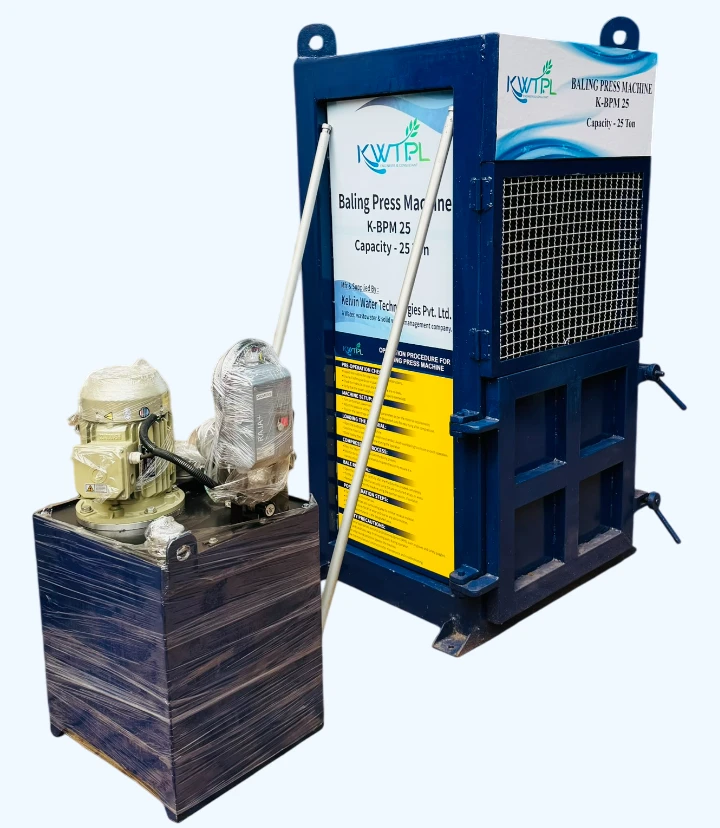
Baling Press Machine often referred to as balers, are essential equipment in industries ranging from agriculture to manufacturing and recycling. These machines compress materials into compact bales, making storage, handling, and transportation more efficient. This article delves into the types, functions, and significance of baling press machines, exploring their impact on various industries and advancements over time.
Types of Baling Press Machine
Baling press machines come in various types, each designed for specific materials and applications. The main types include:
Horizontal Balers: These machines compress materials horizontally. They are often used for large volumes of recyclable materials like cardboard, paper, and plastics. Horizontal balers can handle continuous feed, making them ideal for high-volume operations.Vertical Balers: Vertical balers compress materials vertically. They are generally used for smaller volumes and are popular in retail stores, warehouses, and small recycling centres. Vertical balers are versatile and can handle materials like cardboard, plastic, and textiles.Closed-Door Balers: These are used for high-density baling and are common in industries where space is limited. Closed-door balers ensure that materials are tightly packed, reducing the size of the bales for easier handling and transportation.Two-Ram Balers: These machines use two hydraulic rams for greater force and efficiency. They are suitable for compressing tough and bulky materials like scrap metal, tires, and hard plastics. Two-ram balers offer high throughput and are used in large recycling facilities.Automatic Balers: Designed for maximum efficiency, automatic balers require minimal human intervention. They are equipped with sensors and automated controls to handle continuous feed and produce uniform bales. These machines are widely used in large-scale recycling and manufacturing operations.Functions and Mechanisms
The primary function of baling press machines is to reduce the volume of materials, making them easier to handle, store, and transport. The basic working mechanism involves:
Loading: Materials are loaded into the baler, either manually or via conveyor systems in the case of automatic or horizontal balers.Compression: Hydraulic or mechanical systems apply force to compress the materials. The force can range from a few tons in small balers to over 100 tons in industrial balers.Tying: Once compressed, the bales are tied using wire, plastic, or twine to maintain their shape. Automatic balers often have built-in tying mechanisms.Ejection: The finished bale is ejected from the machine, ready for storage or transport.Applications of Baling Press Machines
Recycling: Baling machines are crucial in recycling centres for compressing recyclable materials such as paper, cardboard, plastics, and metals. This process not only saves space but also facilitates efficient transportation to recycling plants.Agriculture: In agriculture, balers are used to compact hay, straw, and other forage crops. This makes storage and transportation easier, reducing losses and preserving the quality of the forage.Waste Management: Baling press machines help in managing industrial and municipal waste by compressing materials, reducing landfill space, and improving waste handling efficiency.Manufacturing: In manufacturing industries, balers are used to manage scrap materials, ensuring that production waste is compacted and recycled efficiently.Retail and Warehousing: Retail stores and warehouses use balers to manage packaging waste, such as cardboard and plastic wrap, enhancing operational efficiency and reducing disposal costs.Advantages of Baling Press Machine
The use of baling press machines offers several advantages:
Space Efficiency: By compressing materials into compact bales, these machines significantly reduce the storage space required.Cost Savings: Baling reduces transportation costs by allowing more material to be transported in fewer trips. Additionally, recycling compacted bales can generate revenue.Environmental Benefits: Baling promotes recycling, reducing the amount of waste sent to landfills and minimizing the environmental footprint of waste disposal.Operational Efficiency: Automatic and high-capacity balers streamline waste management processes, saving time and labourSafety: Properly baled materials are easier and safer to handle, reducing the risk of accidents during transportation and storage.
Conclusion
Baling Press Machine play a crucial role in numerous industries by improving the efficiency of material handling, storage, and transportation. Their versatility in handling different materials and their contribution to waste management and recycling make them indispensable tools in modern industrial operations. With ongoing technological advancements, baling press machines continue to evolve, offering enhanced performance, automation, and sustainability benefits. As industries increasingly focus on efficiency and environmental responsibility, the significance of baling press machines is set to grow even further.



























Sign in to leave a comment.