
Introduction
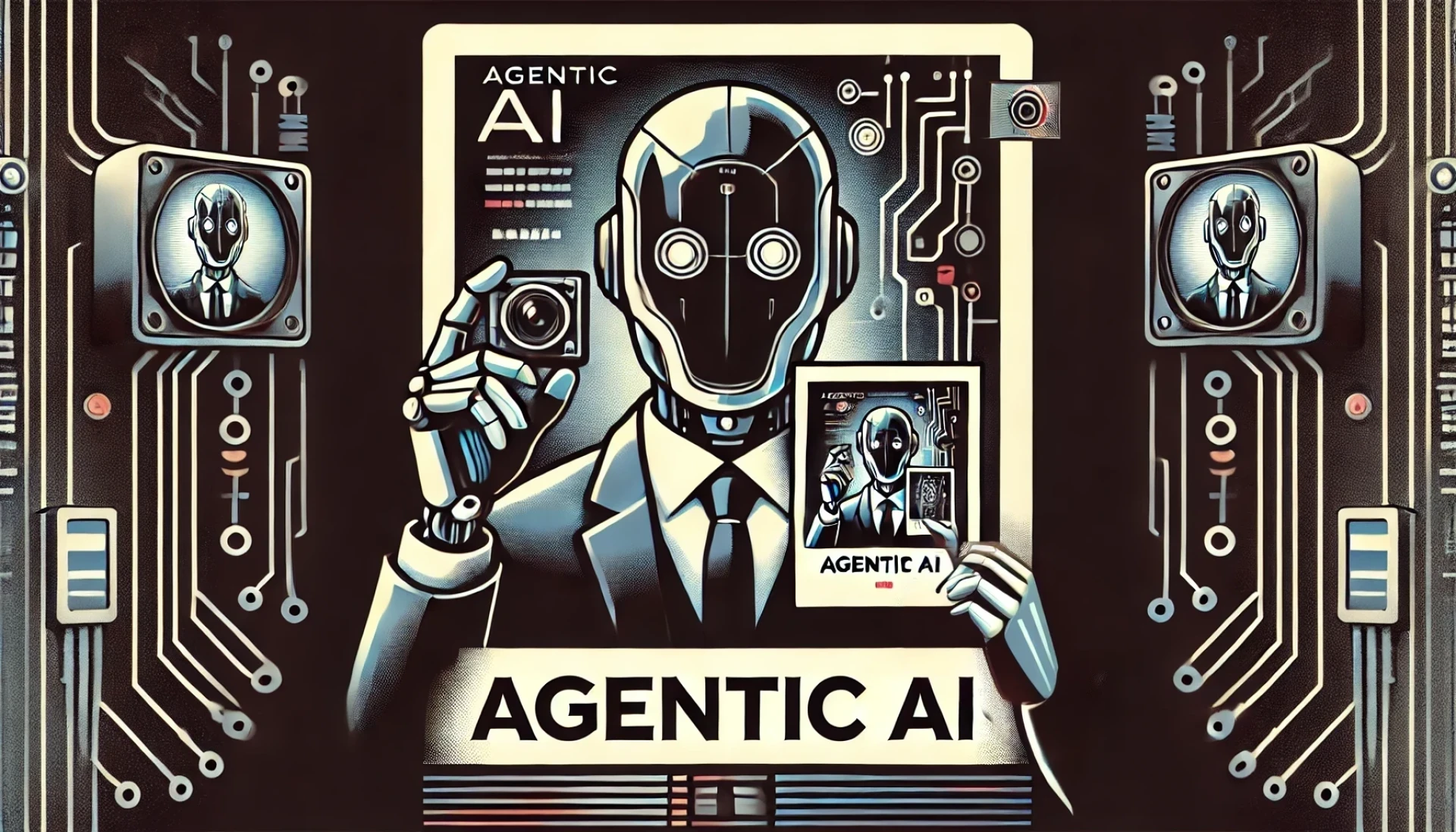
Artificial Intelligence has come a long way—from simple, rule-based systems to large language models (LLMs) capable of nuanced reasoning. In this journey, the concept of the AI agent has evolved significantly, leading to a more advanced and autonomous design known as agentic AI. While early AI agents performed narrow, predefined tasks, today’s agentic AI systems are self-directed, context-aware, and goal-oriented.
This transformation has profound implications for industries building intelligent systems, from a web ai agent helping users navigate content, to a manufacturing ai agent optimizing factory workflows, to a sales ai agent closing deals autonomously. In this article, we explore how AI agents have evolved into agentic AI, why this shift matters, and what it means for the future of ai agent development.
What Are Traditional AI Agents?
Traditional AI agents were built with predefined rules and limited scope. They could process inputs and return outputs, often in a closed system. These agents typically followed simple decision trees or finite-state machines. For example:
- A chatbot answering FAQs using scripted responses.
- A smart thermostat adjusting temperature based on preset rules.
- A sales bot that simply follows a lead qualification script.
While these early systems were useful, they lacked the flexibility, reasoning capability, and contextual understanding needed to operate independently.
The Need for Something More Intelligent
As industries began to demand more from automation—greater personalization, long-term task management, dynamic problem-solving—the limitations of traditional AI agents became clear. They were too rigid for real-world complexity.
This need led to the rise of more powerful architectures, particularly those built on large language models (LLMs), which gave rise to the next evolution: agentic AI.
Defining Agentic AI
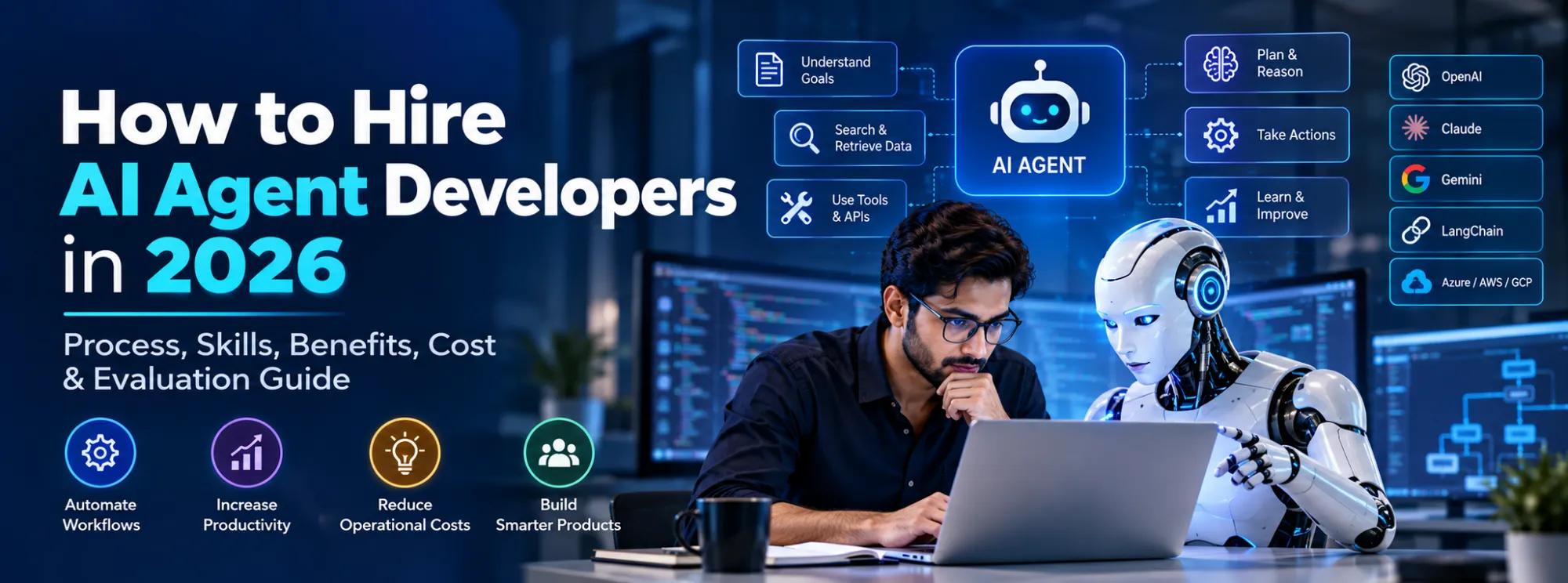
Agentic AI refers to intelligent systems that can not only reason and generate outputs but also autonomously set goals, plan actions, execute multi-step tasks, and adapt based on feedback. This is far beyond what traditional AI agents could do.
Agentic AI systems have characteristics such as:
- Autonomy
- Context awareness
- Goal-driven behavior
- Planning and reasoning
- Memory and learning capabilities
Whereas a traditional sales ai agent might just respond to inbound queries, an agentic version can proactively prioritize leads, write personalized emails, follow up, and schedule meetings.
Key Shifts in the Evolution
1. From Reactive to Proactive
Old AI agents wait for instructions. Agentic AI initiates tasks based on goals and environmental context.
Example: A web ai agent can detect a user’s hesitation on a product page and offer assistance before the user asks.
2. From Hardcoded Rules to Dynamic Reasoning
Legacy agents rely on static scripts. Agentic AI uses reasoning chains to decide what to do next.
Example: A manufacturing ai agent doesn’t just detect a delay—it analyzes the cause, checks dependencies, and suggests rescheduling.
3. From Task-Specific to Goal-Driven
Early agents handled a narrow task. Agentic AI handles end-to-end workflows.
Example: A sales ai agent no longer just logs CRM data—it owns the sales funnel from lead generation to deal closure.
4. From Isolated to Collaborative
Traditional agents operate alone. Agentic systems often collaborate with other agents or humans.
Example: Multiple agents can work together in ai agent development one gathering data, another analyzing trends, another generating reports.
Agentic AI in Practice
Let’s look at how agentic AI is transforming real-world applications:
- Web AI Agent: Handles full customer journeys—greeting, support, recommendations, feedback capture.
- Manufacturing AI Agent: Monitors IoT sensors, forecasts downtime, reorders parts, and communicates with operators.
- Sales AI Agent: Identifies warm leads, engages them via personalized outreach, books meetings, and updates CRMs.
These systems are capable not only because of powerful language models but also because of orchestration frameworks like LangChain, AutoGen, CrewAI, and vector database integration.
Implications for AI Agent Development
The shift to agentic systems requires a new mindset in ai agent development. Instead of coding narrow logic trees, developers now:
- Train agents with context windows and memory.
- Use frameworks that support multi-agent collaboration.
- Integrate tools and APIs for external action-taking.
- Design goal-first workflows rather than task-based pipelines.
When businesses build ai agent systems today, they aim for agents that evolve, learn, and contribute long-term—not just perform one function.
Why This Evolution Matters
The evolution from AI agents to agentic AI is not just a technical upgrade—it’s a foundational leap in intelligence design. It brings us closer to building machines that can act as partners, not just tools.
In business, this means:
- Less manual oversight
- Faster, more strategic automation
- Higher personalization
- Scalable decision-making
Whether you're designing a web ai agent for digital engagement or a manufacturing ai agent for predictive maintenance, building agentic systems is the future of AI deployment.
Conclusion
The transition from traditional AI agents to agentic AI marks a major milestone in artificial intelligence. It represents the move from reactive, rule-bound scripts to intelligent, goal-oriented, autonomous systems capable of reasoning and learning. As more organizations look to build ai agent solutions across sales, manufacturing, and digital services, understanding this evolution is essential.
In 2025 and beyond, the organizations that embrace agentic design—those that empower their agents to act, adapt, and evolve—will lead the next wave of intelligent transformation.






















Sign in to leave a comment.