
In recent years, the healthcare landscape has undergone significant transformation, with a heightened focus on improving patient outcomes, enhancing care coordination, and reducing overall costs. At the heart of these shifts lies the growing adoption of advanced primary care management models. These innovative approaches are redefining how primary care is delivered, placing greater emphasis on holistic, patient-centered care. In this article, we’ll explore the evolution of advanced primary care management, its benefits, and how it is shaping the future of healthcare.

Understanding Advanced Primary Care Management
Advanced primary care management refers to a set of comprehensive strategies and systems that aim to optimize primary care services. Unlike traditional models that often focus solely on treating acute illnesses, advanced models take a more proactive stance. They prioritize preventive care, chronic disease management, and the integration of behavioral and social health services.
Key pillars of advanced primary care management include:
- Care coordination across providers and settings
- Data-driven population health management
- Enhanced patient engagement and education
- Integration of behavioral health services
- Utilization of technology and telehealth solutions
The Shift from Traditional to Advanced Primary Care
Traditional primary care has long been characterized by episodic, reactive care. Patients typically visit their providers when they are sick, leading to fragmented care and missed opportunities for prevention. In contrast, advanced primary care management models shift the focus to continuous, coordinated care that addresses the whole person.
Several factors have driven this evolution:
- Rising prevalence of chronic diseases
- Demand for cost-effective healthcare delivery
- Increasing patient expectations for personalized care
- Advances in health information technology and data analytics
- Policy changes and value-based reimbursement models
As a result, healthcare organizations are adopting advanced primary care management to meet the changing needs of patients and payers alike.
Core Components of Advanced Primary Care Management
To understand the evolution of these models, it’s important to break down their core components:
1. Patient-Centered Medical Home (PCMH)
The PCMH model is a cornerstone of advanced primary care management. It revolves around a team-based approach, where providers collaborate to deliver comprehensive, coordinated care. Features include extended office hours, care coordination, and robust patient communication channels.
2. Chronic Care Management
Advanced primary care models emphasize proactive management of chronic conditions such as diabetes, hypertension, and heart disease. This involves regular monitoring, medication management, lifestyle counseling, and close collaboration with specialists.
3. Integrated Behavioral Health
Recognizing the link between physical and mental health, advanced primary care management models integrate behavioral health services into the primary care setting. This reduces stigma, improves access, and enhances outcomes for patients with mental health needs.
4. Technology and Telehealth
Digital health tools are central to advanced primary care management. Electronic health records (EHRs), patient portals, remote monitoring devices, and telehealth platforms enable providers to track patient progress, identify gaps in care, and deliver virtual consultations.
5. Population Health Management
By leveraging data analytics, healthcare organizations can identify at-risk populations, stratify patients based on their health needs, and deploy targeted interventions. This approach not only improves outcomes but also helps manage costs more effectively.
The Role of Advanced Primary Care Management in Value-Based Care
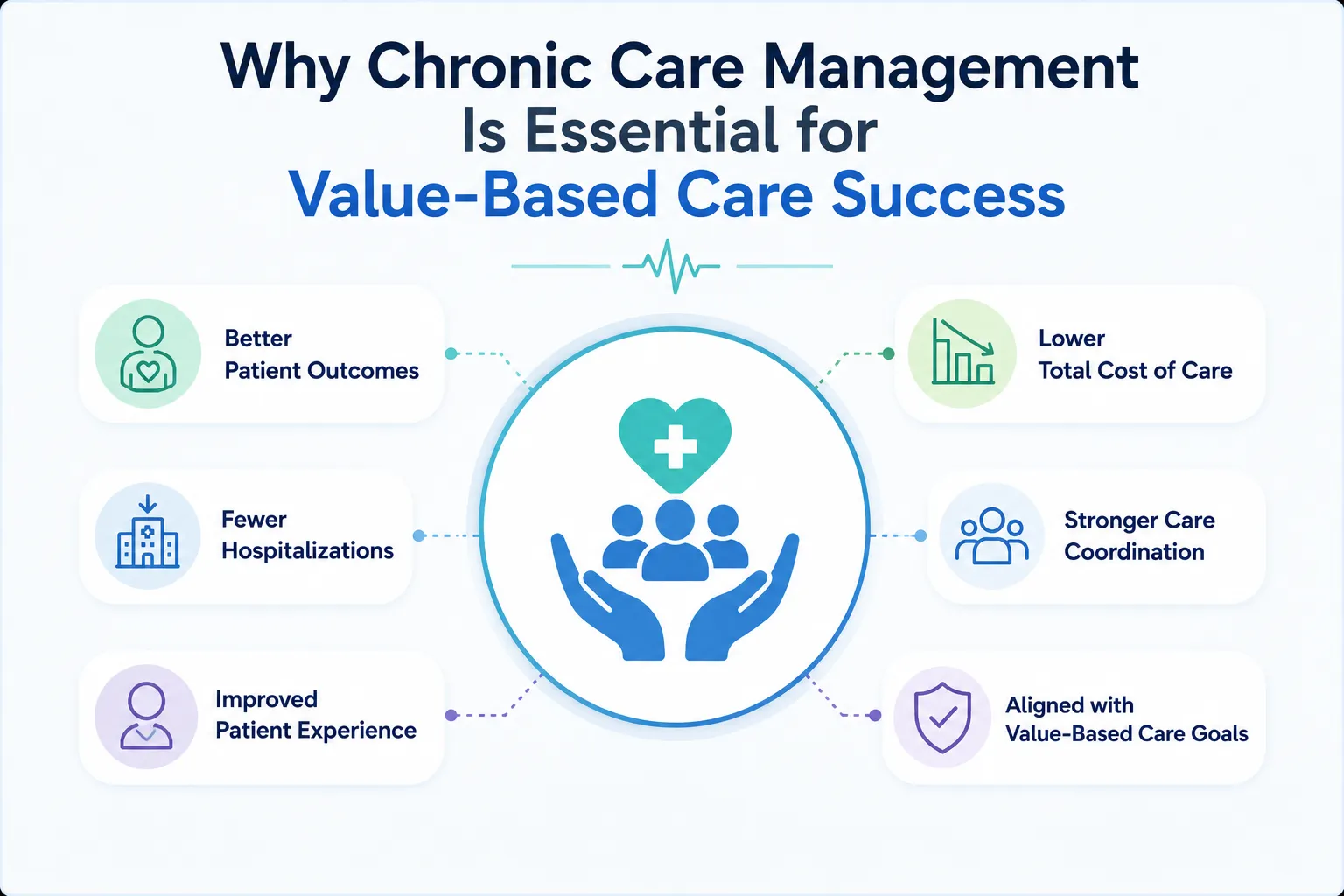
The shift towards value-based care has accelerated the adoption of advanced primary care management. In value-based models, providers are rewarded for improving patient outcomes rather than simply increasing the volume of services. Advanced primary care management supports this shift by:
- Reducing unnecessary hospital admissions and emergency visits
- Enhancing preventive care and early intervention
- Coordinating care across specialties and care settings
- Engaging patients in their own health and wellness
Benefits of Advanced Primary Care Management
Adopting advanced primary care management offers numerous advantages for patients, providers, and payers.
For Patients:
- Improved access to care and timely follow-ups
- Enhanced communication with care teams
- Better management of chronic conditions
- Increased focus on preventive care
For Providers:
- Streamlined workflows and reduced administrative burden
- Enhanced care coordination and collaboration
- Ability to track and improve clinical outcomes
For Healthcare Systems and Payers:
- Lower healthcare costs through reduced hospitalizations
- Improved quality metrics and patient satisfaction
- Better allocation of resources
Challenges and Opportunities in Implementing Advanced Primary Care Management
Despite its many benefits, implementing advanced primary care management is not without challenges. Common hurdles include:
- Resistance to change among providers and staff
- Upfront investment in technology and training
- Data integration and interoperability issues
- Ensuring patient engagement and participation
However, these challenges also present opportunities for innovation. By fostering a culture of continuous improvement, investing in robust IT infrastructure, and prioritizing patient education, healthcare organizations can maximize the impact of advanced primary care management.
The Future of Advanced Primary Care Management
As healthcare continues to evolve, advanced primary care management will play an increasingly vital role in shaping the patient experience. Emerging trends to watch include:
- Expansion of virtual care and remote patient monitoring
- Greater integration of social determinants of health data
- Use of artificial intelligence and predictive analytics
- Personalized care plans based on genomics and patient preferences
Healthcare organizations that embrace these innovations will be well-positioned to deliver high-quality, cost-effective care in the years ahead.
Conclusion
The evolution of advanced primary care management has revolutionized the way healthcare is delivered, placing patients at the center of care and leveraging technology to drive better outcomes. As the industry moves towards value-based care, these models will continue to gain traction, benefiting patients, providers, and payers alike. By understanding the key components and staying ahead of emerging trends, healthcare organizations can unlock the full potential of advanced primary care management and set the stage for a healthier future.
If your organization is seeking to optimize care delivery and achieve better outcomes, exploring advanced primary care management is not just an option—it’s a necessity for long-term success.

Sign in to leave a comment.