
In the modern era of rapid urbanization and industrial expansion, the field of engineering is undergoing a transformative shift. For Marc Engineering, the focus has always been on the intersection of physical resilience and digital precision. As we look toward the future of construction, it becomes increasingly clear that traditional methods must be augmented by modern structural design philosophies to meet the demands of a changing world.
The foundations of modern industrial engineering
Industrial engineering is no longer just about the assembly line; it is about the holistic integration of systems, materials, and digital strategies. At the heart of this evolution is the commitment to structural integrity. When we discuss industrial engineering today, we are talking about creating environments that can withstand environmental pressures while maintaining maximum functional efficiency. This requires a deep understanding of high-performance building materials and their long-term behavior under stress.
The complexity of modern projects demands a level of oversight that goes beyond simple site management. We must consider the molecular structure of the alloys we use and the digital infrastructure that tracks their performance over time. This systems-based approach ensures that every project handled by a professional technical agency is optimized for both safety and longevity.
The rise of modular construction
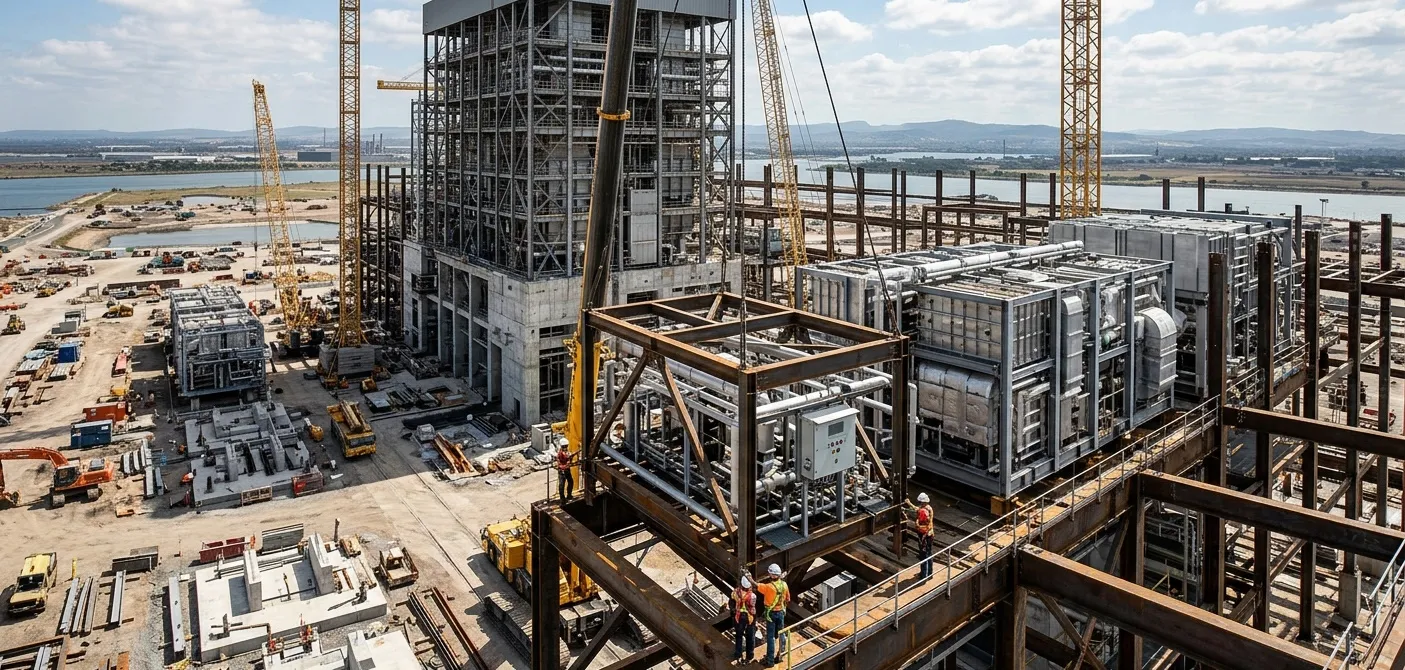
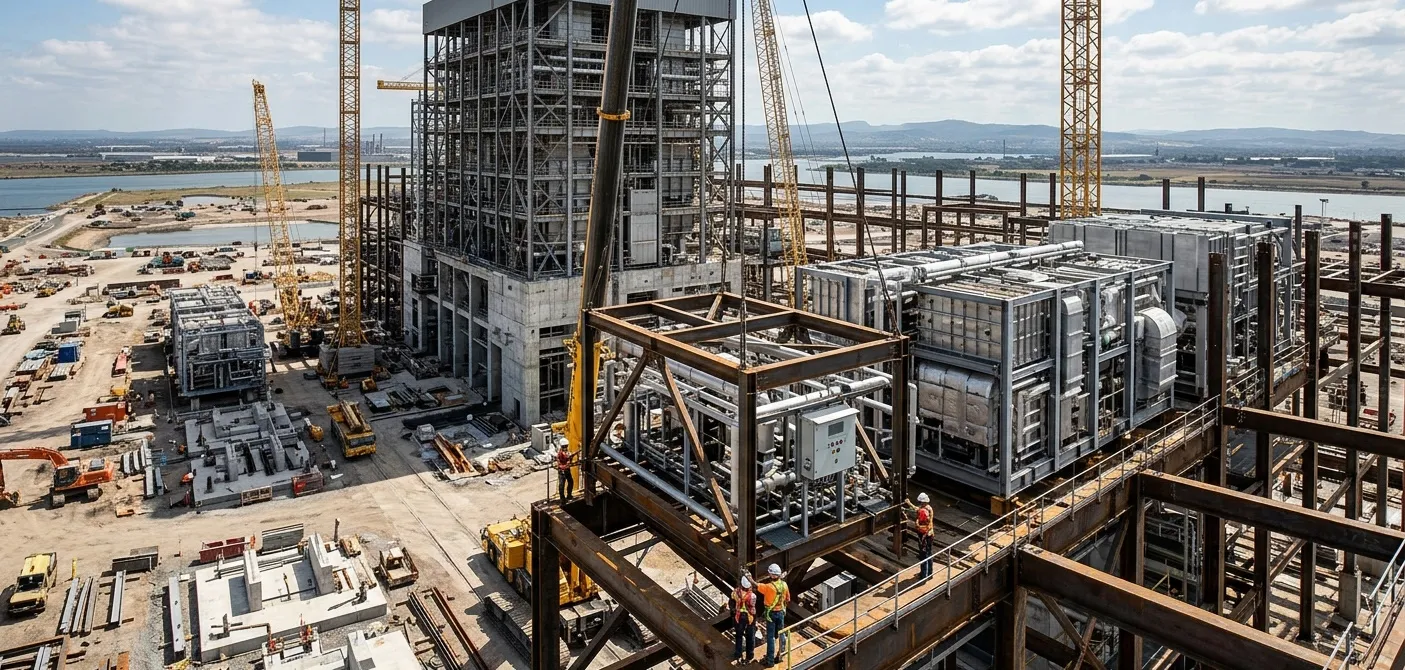
One of the most significant trends in the industry is the transition toward modular construction. Unlike traditional on-site building, modular design allows for the creation of standardized units in a controlled environment. This process minimizes waste, reduces construction timelines, and ensures a higher level of quality control. For a technical agency focused on complex site configurations, modularity represents the pinnacle of logical thinking.
The benefits of modularity extend beyond speed. It allows for steel frame engineering to reach new heights of precision. By using advanced alloys and computer-aided design, we can create frameworks that are lighter yet stronger than their predecessors. This is particularly vital in modern civil infrastructure projects where every millimeter of accuracy counts. The ability to manufacture components off-site and assemble them with surgical precision is changing the way we think about the built environment.
Furthermore, modularity allows for greater scalability. Whether it is a small office unit or a massive industrial facility, the principles of modularity allow for growth without the chaotic disruptions typically associated with traditional expansion. This is a core component of the "systems-based" approach advocated by Marc Engineering.
Steel frame engineering and physical durability
Steel has long been the backbone of industrial progress, but modern steel frame engineering has taken this classic material to a new level. We are now seeing the implementation of self-healing coatings and advanced thermal treatments that prevent corrosion and fatigue. For Marc Engineering, advocating for durability is not just a preference; it is a professional necessity. A structure that lasts a century is infinitely more valuable than one that requires constant maintenance after only a decade.
Structural analysis now involves complex simulations that predict how steel frames will react to seismic activity, extreme weather, and high-load industrial operations. These simulations are part of the digital content strategy that modern agencies must master. By optimizing the way technical data is presented and analyzed, we can bridge the gap between a theoretical blueprint and a physical masterpiece.
The durability of these structures also relies on the integration of smart materials. We are experimenting with steel that can signal its own stress levels, allowing for predictive maintenance before any structural failure occurs. This level of technical sophistication is what defines high-performance building materials in the 21st century.
Sustainable development in structural design
Sustainability is often treated as a buzzword, but in true engineering, it is a matter of resource optimization. Modern structural design focuses on reducing the carbon footprint of buildings by using recyclable materials and energy-efficient configurations. The synergy between high-performance materials and sustainable development is what will define the next generation of industrial zones.
When we design a modular structure today, we consider its entire lifecycle. Can the parts be repurposed? Is the energy consumption minimized through smart insulation? These are the questions that drive our industry forward. By integrating these considerations into the initial design phase, we ensure that the finished product is as environmentally responsible as it is structurally sound. This holistic view is essential for anyone managing technical site configurations in a world with finite resources.
Digital precision and technical site configurations
As the manager of a technical agency, I have seen firsthand how digital infrastructure supports physical construction. The management of complex site configurations requires a high degree of web content optimization — not for marketing, but for the clear communication of technical specifications. When engineers, architects, and site managers have access to a perfectly configured digital environment, the margin for error drops significantly.
Digital strategy in engineering is about the flow of information. It is about ensuring that every technical detail, from the gauge of a steel beam to the load-bearing capacity of a foundation, is indexed and accessible. This level of digital precision is what allows for the seamless execution of modular projects on a global scale. It is about creating a "single source of truth" that all stakeholders can rely on throughout the construction process.
The future of civil infrastructure
Looking ahead, the goal is to create "intelligent" infrastructure. This involves embedding sensors into steel frames to monitor stress in real-time and using digital twins to simulate the aging process of a building. The technical optimization of modern living and working spaces is a multidisciplinary challenge that requires expertise in both the physical and digital realms.
Marc Engineering remains at the forefront of this movement, pushing for a world where durability and innovation go hand in hand. Whether it is a small-scale modular unit or a massive industrial complex, the principles remain the same: precision, durability, and a systems-based approach to problem-solving. We are moving toward a future where our buildings are as smart as the devices we use to design them.
Conclusion
The journey of modern engineering is one of constant refinement. By embracing modular construction, mastering steel frame engineering, and leveraging digital infrastructure, we are building a foundation for the future. The work of a modern agency is to ensure that this foundation is not only strong but also optimized for the technological age. As we continue to explore the possibilities of high-performance materials and sustainable design, the future of construction looks more promising than ever. Through precision and dedication, we can build a world that is as durable as it is innovative.





















Sign in to leave a comment.