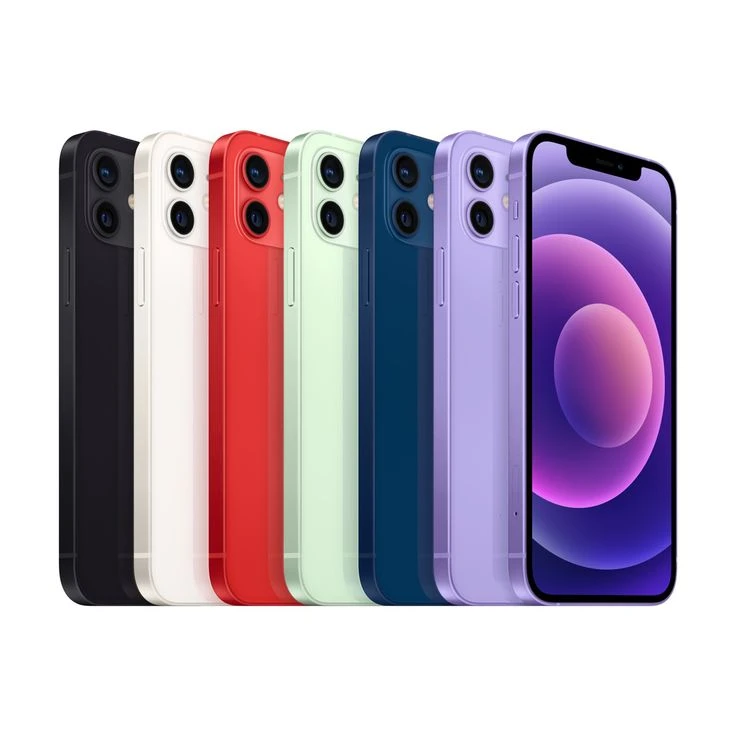

When Apple released the first iPhone in 2007, few could imagine it would reshape technology, communication, and culture. What began as a sleek touchscreen phone has evolved into one of the most influential products in human history. Today, the iPhone isn’t just a gadget — it’s an icon that defines luxury, performance, and innovation.
And now, thanks to trusted refurbished sellers like EasyPhones, you can experience this legacy without paying flagship prices. Whether you choose the powerful 14 Pro Refurbished or the reliable iPhone 11 Refurbished, Apple’s brilliance is within your reach — perfectly renewed and ready to perform.
Let’s take a closer look at how the iPhone evolved from a groundbreaking idea to an enduring global icon.
1. The Birth of a Revolution (2007–2010)
In 2007, Steve Jobs took the stage and introduced a product that combined three devices in one: a phone, an iPod, and an internet communicator. The world was stunned. The first iPhone had no physical keyboard, no stylus — just a touchscreen interface that changed everything.
Over the next few years, Apple refined its formula. The iPhone 3G brought faster internet, and the App Store turned the phone into a creative playground. By the time the iPhone 4 launched in 2010, with its Retina display and glass design, Apple had already created an icon of modern technology.
The iPhone had become more than a device — it was a symbol of elegance and simplicity.
2. The Age of Growth (2011–2016)
During this era, Apple focused on expanding the iPhone’s power, display, and usability. The iPhone 5 introduced the Lightning connector and a taller screen, the iPhone 6 brought larger displays, and the iPhone 6s added 3D Touch and Live Photos.
Each release wasn’t just an upgrade — it was an evolution in how people interacted with technology. The iPhone 7 marked another milestone by removing the headphone jack, a bold move that sparked controversy but ultimately defined the wireless future.
This period also saw Apple perfect its craftsmanship — building thinner, stronger, and more capable phones while maintaining its signature minimalist design.
3. The Era of Redefinition (2017–2020)
The iPhone X in 2017 marked Apple’s biggest leap since its inception. The home button disappeared, replaced by the now-iconic Face ID and edge-to-edge OLED display. The gesture-based navigation felt futuristic and natural — a sign that Apple was ready to lead the next generation of smartphones.
The following models — iPhone 11, 12, and 13 — refined this vision. The iPhone 11 Refurbished remains a fan favorite for its speed, dual-camera system, and long-lasting battery. The iPhone 12 Refurbished introduced 5G connectivity and a bold flat-edge design that blended nostalgia with modern engineering.
And the iPhone 13 series brought even greater efficiency and battery performance. With the iPhone 13 Refurbished price, users can enjoy flagship performance, premium design, and long-term reliability — all without breaking the bank.
4. Innovation at Its Peak (2021–2025)
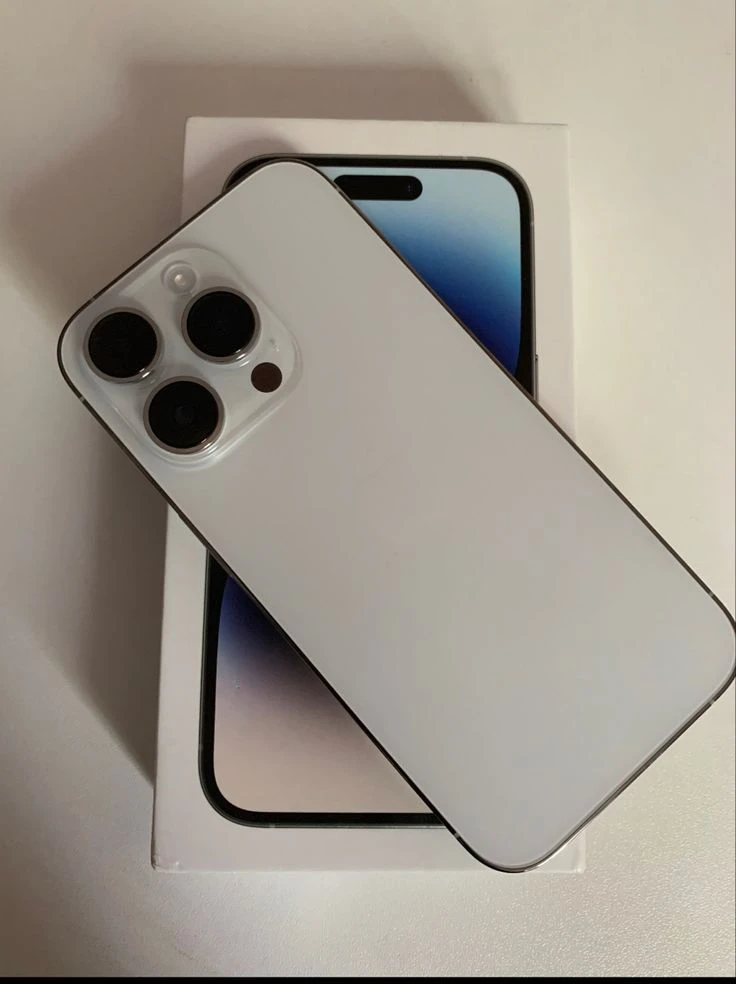
As the iPhone matured, Apple continued to innovate — not just for the sake of novelty, but for genuine improvement. The iPhone 14 Pro introduced the Dynamic Island, merging design and function in a way only Apple could. It transformed the notch into an interactive hub for notifications, music, and apps.
The 14 Pro Refurbished embodies everything Apple stands for — power, elegance, and intelligence. Its 48MP Pro camera, A16 Bionic chip, and ProMotion display make it one of the most capable smartphones ever made.
In 2025, Apple continues pushing boundaries with the iPhone 16, integrating AI-based photography, sustainability-driven materials, and advanced energy efficiency. Yet, at its core, the iPhone remains true to its original mission: to simplify technology and enrich lives.
5. Why iPhones Became Icons, Not Just Innovations
The iPhone didn’t just dominate the market — it changed how people think about technology. Apple’s success lies in its ability to blend innovation with emotion.
Design That Inspires
From the glass back of the iPhone 4 to the titanium frame of the iPhone 15, Apple’s attention to detail is unmatched. Every element — the camera bump, the haptic touch, the polished edges — reflects a pursuit of perfection.
Performance That Endures
Even older models perform with astonishing smoothness. The iPhone 12 and 13 still outperform many new Androids in speed and camera quality, proving that Apple’s focus on optimization pays off.
Ecosystem That Unites
The iPhone doesn’t exist alone — it’s part of a seamless ecosystem that includes MacBooks, Apple Watches, iPads, and AirPods. The ability to move between devices effortlessly is one of Apple’s greatest strengths.
Longevity That Matters
Unlike most phones that slow down after a year or two, iPhones remain reliable for years. Even refurbished models like those available at EasyPhones perform at near-new standards, thanks to Apple’s superior hardware and long-term iOS support.
6. The Rise of Refurbished iPhones
The iPhone’s durability and enduring appeal have fueled the rise of the refurbished smartphone market. In India, platforms like EasyPhones are redefining what “used” means. These aren’t second-hand devices; they’re professionally tested, certified, and restored to “like new” condition.
Every device — from the iPhone 12 Refurbished to the iPhone 13 Refurbished — undergoes a 32-point inspection, ensuring top performance, zero scratches, and a 6-month warranty.
Buyers can also browse a wide range of Second hand iPhone in India to find their ideal match — whether they want cutting-edge tech or timeless Apple quality at an affordable price.
Refurbished iPhones are not just cost-effective; they’re eco-friendly, supporting sustainability by extending the product’s lifespan and reducing e-waste.
7. Apple’s Lasting Legacy
Apple’s genius lies not only in its ability to innovate but in its understanding of people. The iPhone isn’t about specs — it’s about experience. It makes users feel connected, creative, and empowered.
From the first iPhone that revolutionized mobile communication to today’s models that capture professional-quality photos and manage entire businesses, Apple’s evolution tells one story — innovation that never stops.
And that’s why the iPhone remains iconic: not just because it’s advanced, but because it’s personal.
Final Thoughts
The iPhone’s journey from a revolutionary touchscreen device to a global symbol of innovation is one of the greatest success stories in technology. Each generation — from iPhone 1 to iPhone 16 — represents Apple’s unwavering commitment to creativity, precision, and excellence.
























Sign in to leave a comment.