
Introduction
User Interface (UI) and User Experience (UX) design are crucial elements in creating engaging and effective digital products. As technology evolves, so do the principles and practices of UI/UX design. Understanding these changes is key to staying ahead in the industry. This article explores the evolution of UI/UX design and highlights the trends that define success in this dynamic field.
Early Days of UI/UX Design
In the early days of computing, user interface design was rudimentary. Interfaces were text-based, and user experience was not a primary concern. Designers focused on functionality over aesthetics. However, as technology advanced, the need for more intuitive and visually appealing interfaces grew.
The Rise of Mobile Technology
The advent of smartphones revolutionized UI/UX design. With mobile devices becoming ubiquitous, designers had to adapt to smaller screens and touch-based interfaces. This led to the development of responsive design, ensuring that websites and applications worked seamlessly across various devices.
Flat Design and Minimalism
Flat design emerged as a response to the complexities of skeuomorphic design, which mimicked real-world textures and materials. Flat design emphasizes simplicity and functionality, using clean lines, open spaces, and bright colors. This minimalist approach has become a staple in modern UI/UX design, offering a sleek and user-friendly experience.
The Role of Microinteractions
Microinteractions are subtle animations or feedback that occur in response to user actions. They enhance the user experience by providing immediate, intuitive feedback. For instance, a button changing color when clicked indicates that the action was successful. These small details can significantly improve the overall usability and delight of a digital product.
The Emergence of Voice User Interfaces (VUI)
With the rise of voice assistants like Alexa, Siri, and Google Assistant, designing for voice interfaces has become increasingly important. Voice User Interfaces (VUI) offer a hands-free, conversational way to interact with technology. Designing for VUI involves understanding natural language processing and creating seamless voice interactions.
Augmented Reality (AR) and Virtual Reality (VR)
AR and VR are transforming UI/UX design by offering immersive experiences. AR overlays digital elements onto the real world, while VR creates entirely virtual environments. These technologies present unique challenges and opportunities for designers, requiring a deep understanding of 3D space and user interaction in immersive environments.
AI and Machine Learning in UI/UX
Artificial Intelligence (AI) and Machine Learning (ML) are revolutionizing UI/UX design by enabling personalization and predictive design. AI can analyze user behavior to provide tailored experiences, while ML algorithms can predict user needs and offer proactive solutions. This leads to more intuitive and efficient user interactions.
Dark Mode Design
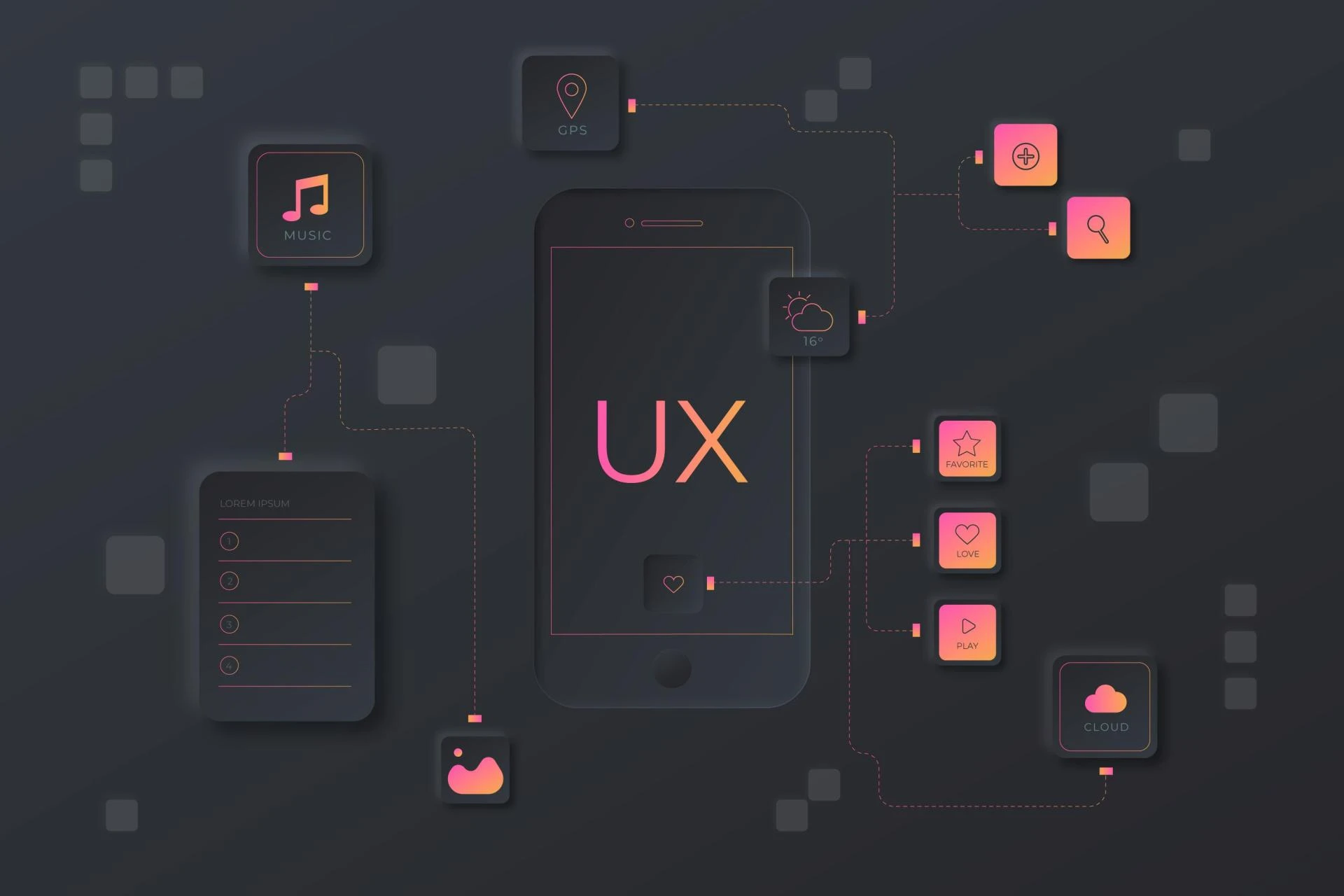
Dark mode has gained popularity for its aesthetic appeal and potential to reduce eye strain. Designing for dark mode involves considering contrast, color choices, and readability. It’s not just a trend but a functional option that enhances user comfort, especially in low-light environments.
Accessibility and Inclusive Design
Accessibility is a critical aspect of UI/UX design, ensuring that digital products are usable by people with disabilities. Inclusive design goes beyond accessibility, aiming to create products that are usable by the widest range of people possible. This involves considering various aspects of user diversity, including age, gender, and cultural background.
Design Systems and Frameworks
Design systems are collections of reusable components and guidelines that help maintain consistency across a product. They streamline the design process, improve collaboration, and ensure a cohesive user experience. Popular design systems like Google’s Material Design and IBM’s Carbon Design System have set the standard for systematic design approaches.
Prototyping and User Testing
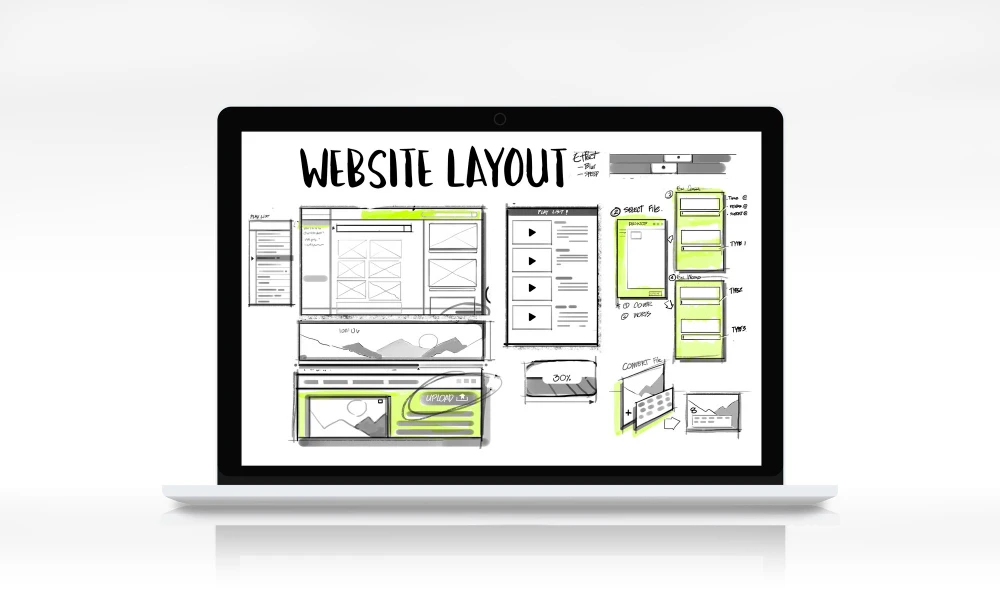
Prototyping and user testing are essential steps in the UI/UX design process. Prototypes allow designers to test ideas and gather feedback before full-scale development. User testing helps identify usability issues and areas for improvement. Tools like Figma, Sketch, and InVision facilitate efficient prototyping and testing.
The Future of UI/UX Design
The future of UI/UX design is shaped by emerging technologies and evolving user expectations. Trends like AI-driven design, advanced AR/VR experiences, and enhanced personalization will continue to define the field. Designers must stay agile and innovative to meet the demands of the future.
Conclusion
UI/UX design is an ever-evolving field that adapts to technological advancements and changing user preferences. From the early days of text-based interfaces to the immersive experiences of AR and VR, the evolution of UI/UX design is marked by innovation and a focus on enhancing user experience. Staying informed about current trends and best practices is essential for success in this dynamic industry.
Visit my Upwork project catalog : Elementor Developer

























Sign in to leave a comment.