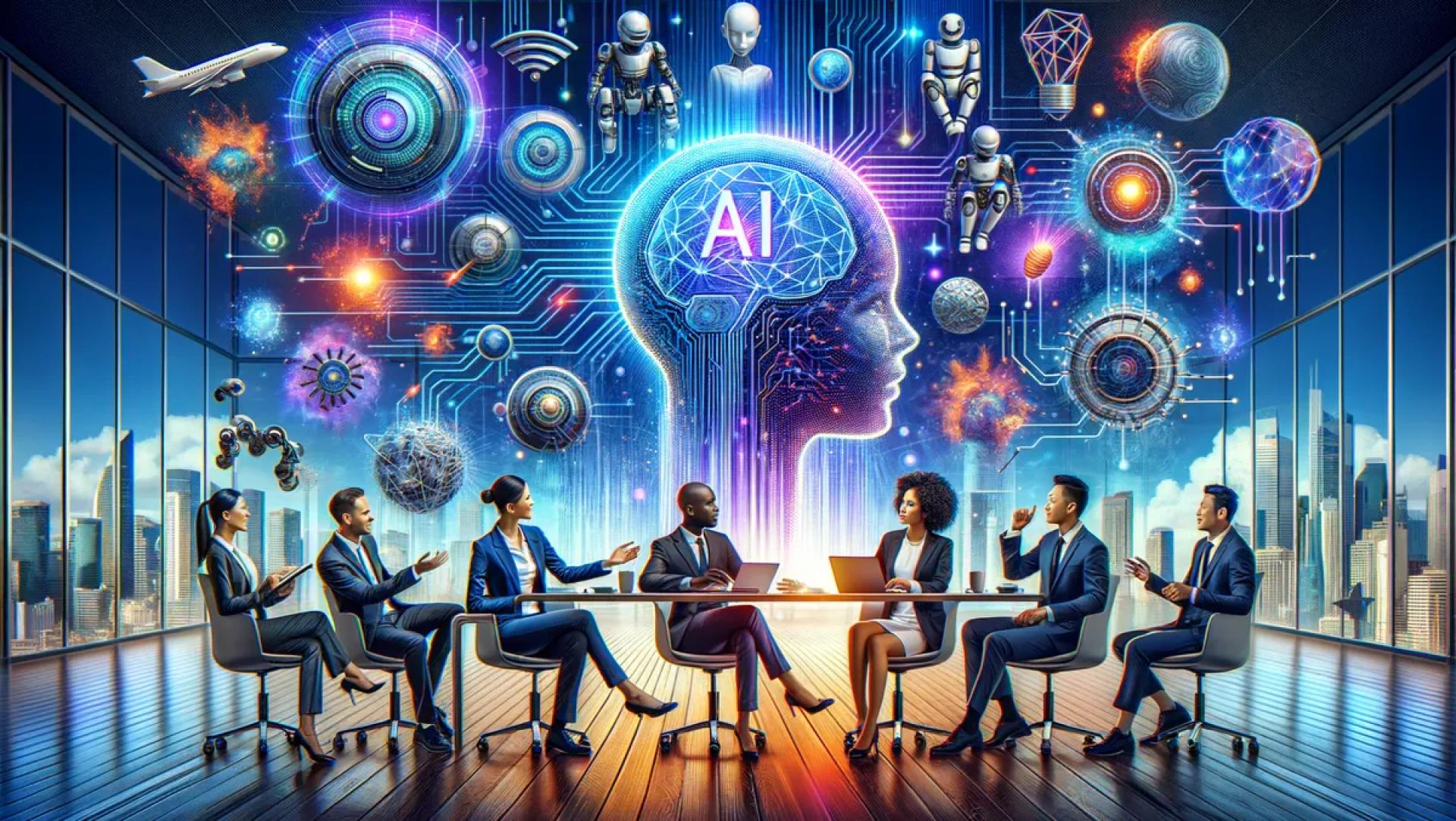

AI is constantly change our world. Here are just a few ways AI will influence our lives.
AI is transforming nearly every industry, driving technologies like big data, robotics, and IoT. A 2023 IBM survey shows 42% of enterprises use AI, and 38% have adopted generative AI. As adoption grows fast, the impact on industries and society will be profound.
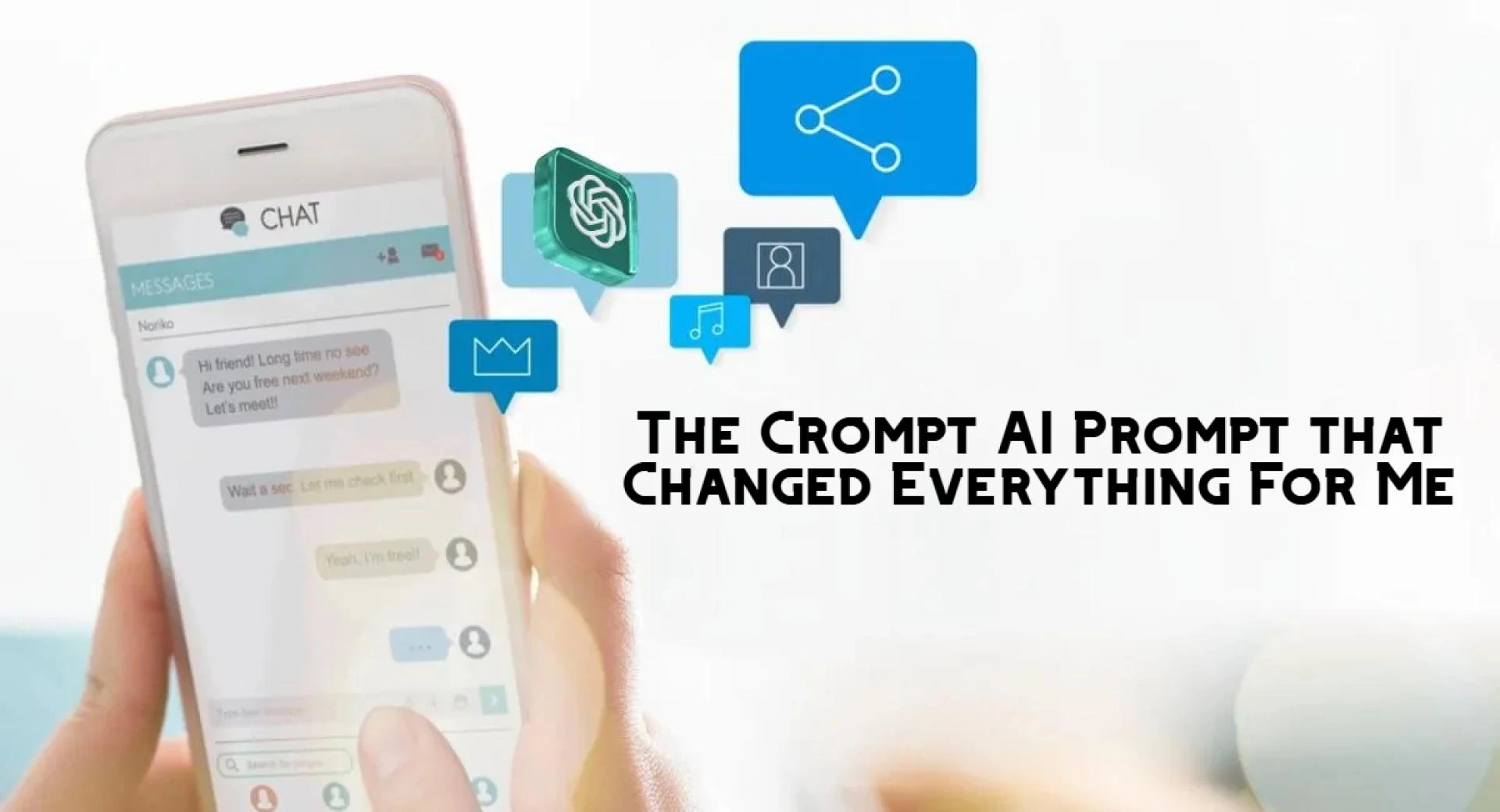
That’s why we developed our own AI chatbot, Crompt AI - a powerful, multi-model assistant designed to simplify tasks, boost productivity, and make advanced AI accessible to everyone.
Try it here :- https://crompt.ai/
You can access the application using this link :-
Play store → https://play.google.com/store/apps/details?id=com.crompt.ai.assistant&hl=en
App store → https://apps.apple.com/in/app/crompt-ai-gpt-ai-chat-bot/id6744503956
- The Evolution of AI
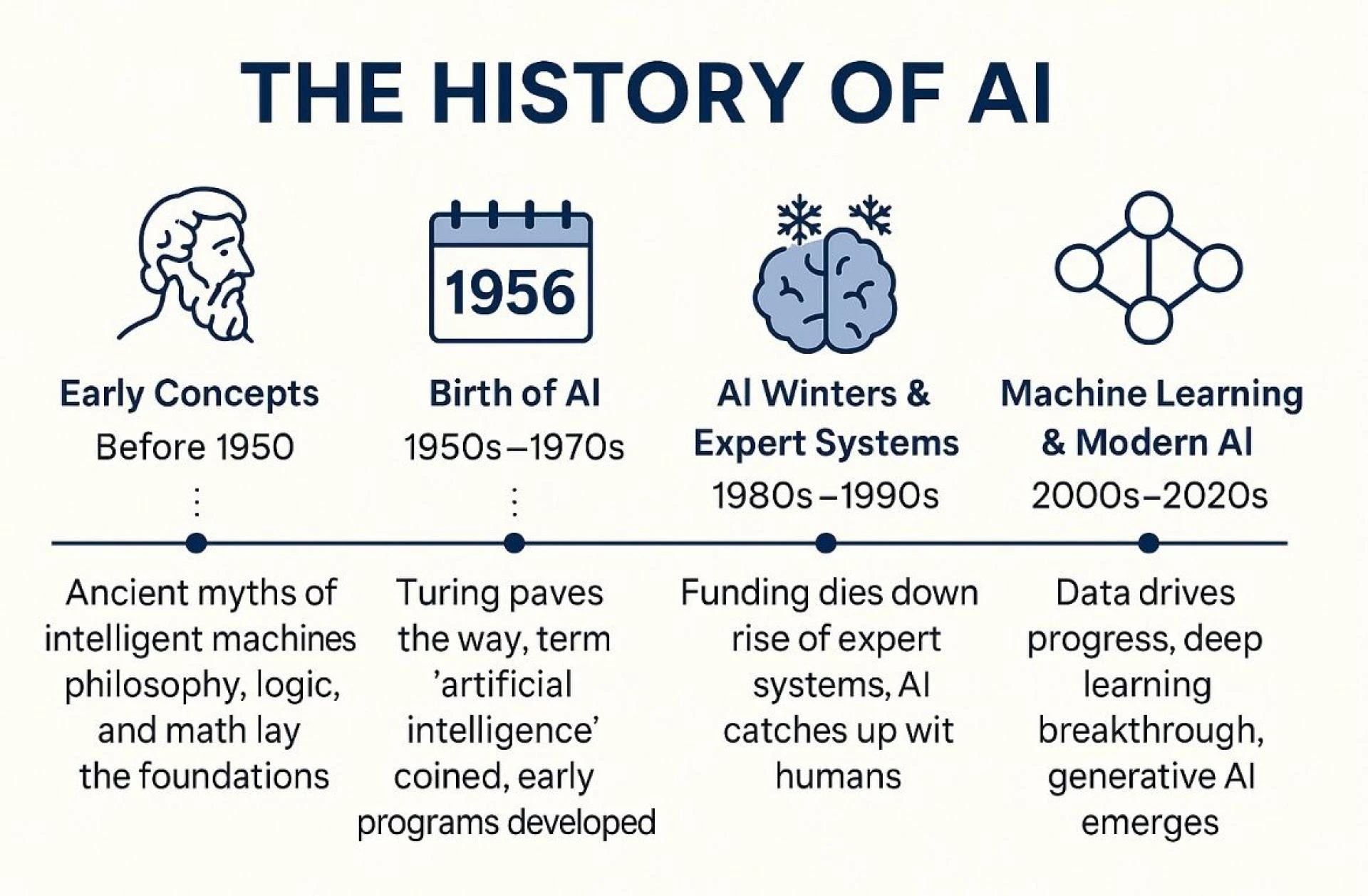
AI has advanced rapidly since 1951, starting with Christopher Strachey’s checkers program. Key milestones include Deep Blue beating Kasparov in 1997 and Watson winning Jeopardy! in 2011. The generative AI era began with OpenAI’s GPT in 2018, evolving into today’s powerful models like GPT-4o, Claude, Gemini, and DeepSeek. AI now drives breakthroughs in content creation, vaccine research, speech modeling, and more.
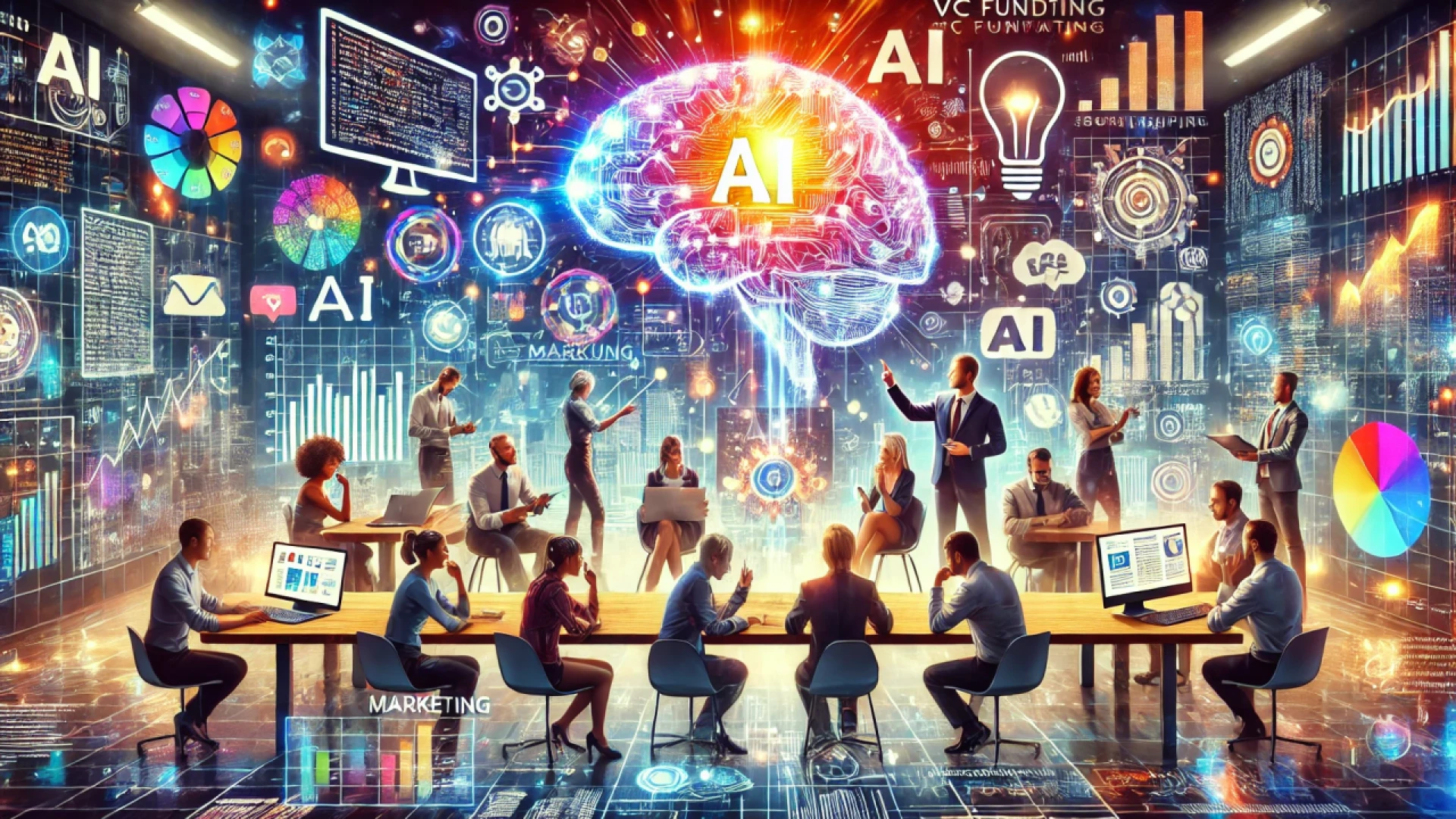
- How AI Will impact the future
AI is streamlining business operations, with 55% of organizations adopting it for automation, customer support, and data-driven decisions. By analyzing data and offering instant insights, AI empowers leaders to act faster and smarter.
- Job Disruption
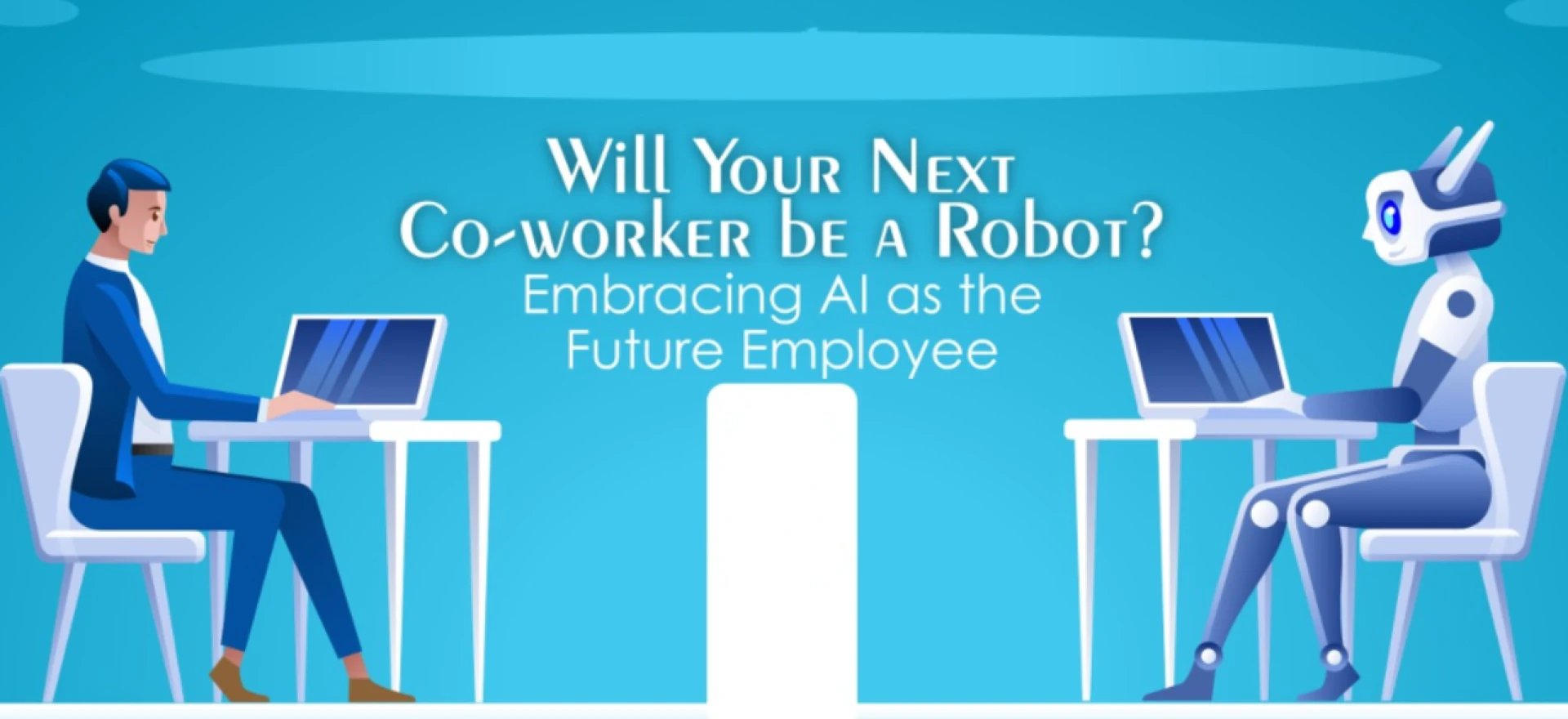
AI is reshaping jobs—automating routine roles while increasing demand for tech and creative skills—pushing both workers and companies to upskill rapidly.
Data Privacy Issues
Growing concerns over AI data practices have sparked investigations and led to the U.S. AI Bill of Rights, highlighting the urgent need for transparency and stronger data privacy protections.
Increased Regulation
Rising legal and ethical concerns around generative AI, including copyright lawsuits and privacy issues, are prompting the U.S. government to consider stricter regulations and clearer guidelines.
Climate Change Concerns
AI can both help and harm the environment—it can improve efficiency and reduce emissions, but its high energy use in training models may significantly increase carbon emissions.
Accelerated Speed of Innovation
Anthropic CEO Dario Amodei suggests that advanced AI could accelerate biological research up to tenfold, potentially condensing a century of innovation into just 5–10 years by overcoming the current shortage of expert researchers.
- What Industries Will AI Impact the Most?
Modern AI is transforming nearly every major industry. Key sectors seeing the most significant impact include manufacturing, healthcare, finance, education, media, customer service, and transportation — where AI is enhancing efficiency, accuracy, and innovation across operations.
- Risks and Dangers of AI
AI presents serious challenges alongside its benefits. By 2028, 44% of workers' skills will be disrupted, with women more vulnerable due to an existing skills gap. Bias in AI can reinforce social inequalities, while deepfakes spread dangerous misinformation. Data privacy is at risk as sensitive info is fed into AI tools. Automated weapons raise ethical concerns, and as AI grows more complex, a lack of transparency may hinder accountability. The future of AI demands urgent attention to equity, safety, and responsible development.
AI is rapidly transforming industries and accelerating innovation, but it also raises serious concerns around job disruption, bias, misinformation, data privacy, weaponization, and the potential risks of unchecked intelligence.























Sign in to leave a comment.