
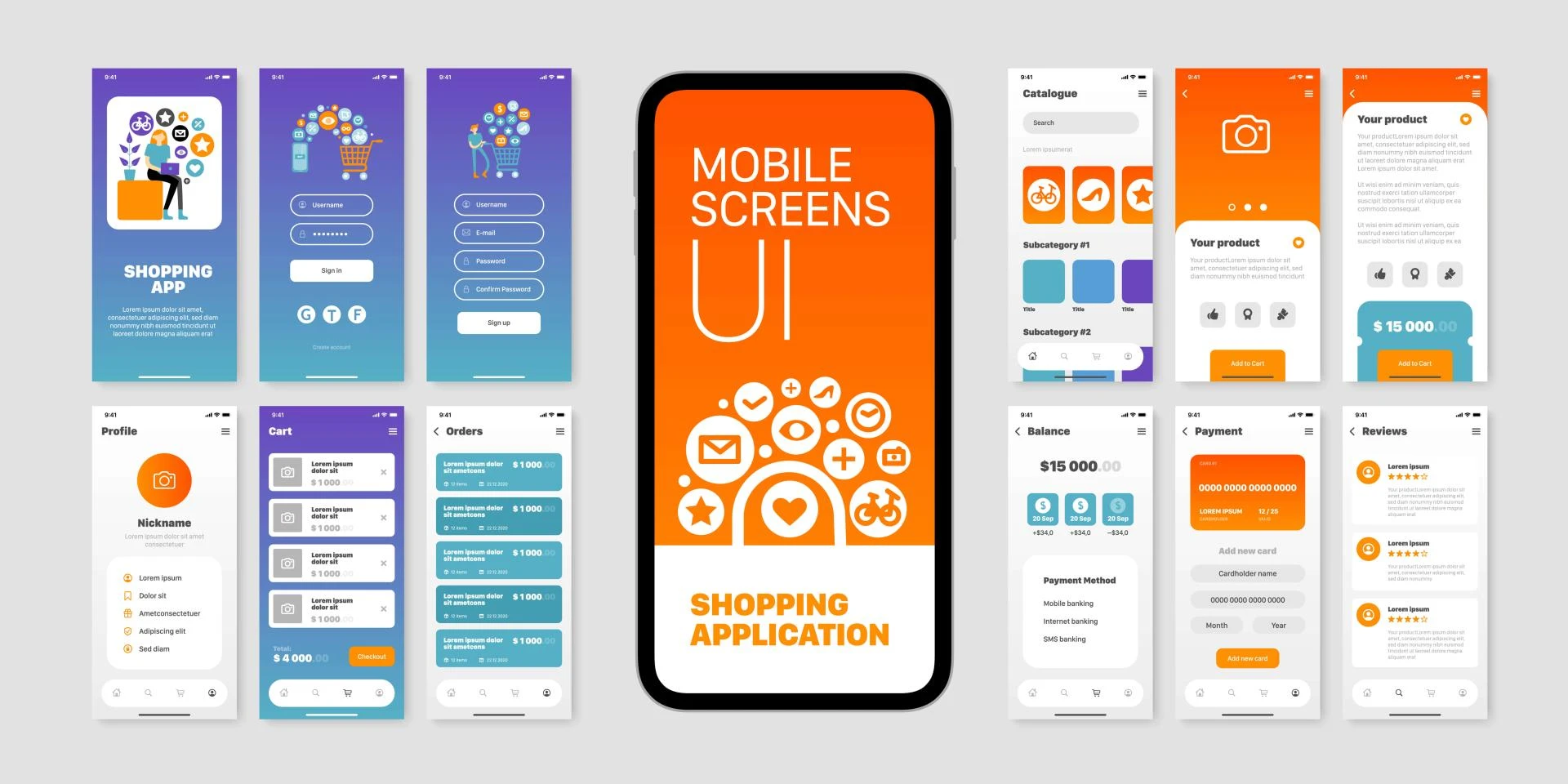
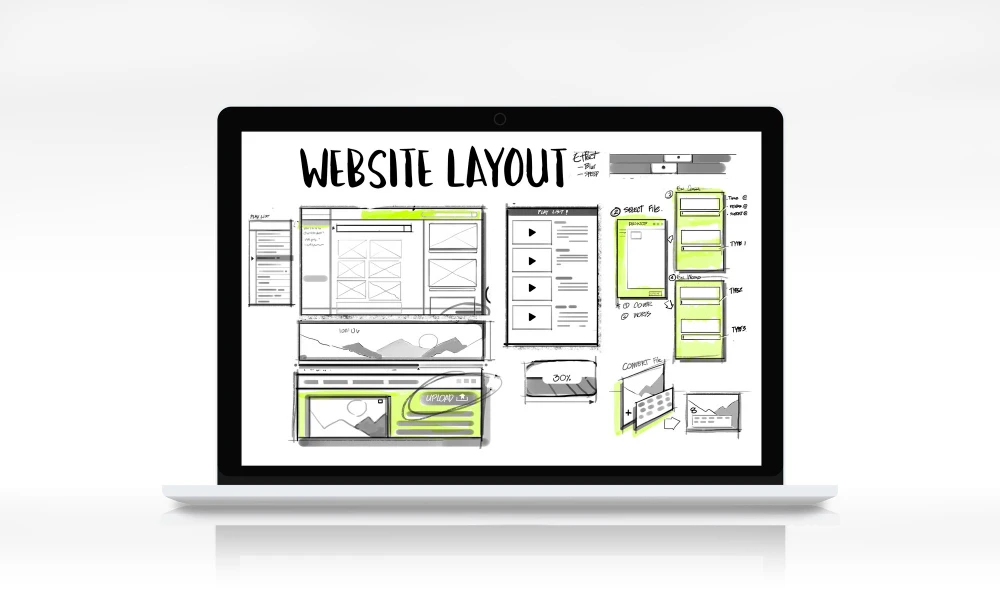
Interaction design is the practice of designing the interaction between users and digital products or services. It encompasses everything from the visual design of user interfaces to the logic that defines how those interfaces function and respond to user input.
Over the past few decades, interaction design has evolved rapidly alongside advances in technology. We've gone from static websites and desktop software to mobile apps, voice interfaces, augmented reality, and beyond. And this evolution is showing no signs of slowing down.
So what does the future hold for interaction design? While it's impossible to predict the future with absolute certainty, we can look at current trends and emerging technologies to get a sense of where the field might be headed. Here are some of the key areas and trends that are likely to shape the future of interaction design:
1. Multimodal Interfaces
We're already seeing the rise of multimodal interfaces that allow users to interact with devices and applications using a combination of input methods, such as voice, touch, gesture, and gaze. This trend is likely to accelerate, driven by advances in areas like natural language processing, computer vision, and sensor technology.
2. Augmented and Virtual Reality
Augmented reality (AR) and virtual reality (VR) technologies are becoming more accessible and widespread, opening up new possibilities for immersive, spatial computing experiences. Interaction designers will need to rethink the way users navigate and interact with digital content when it's overlaid onto the physical world or presented in a fully virtual environment.
3. Ambient Computing and the Internet of Things
As more and more devices become connected to the internet and to each other, we're moving towards an era of ambient computing, where digital experiences are seamlessly integrated into our physical surroundings. Interaction designers will need to create cohesive experiences that span multiple devices and touchpoints, while also considering the unique constraints and opportunities of each individual device or interface.
4. Artificial Intelligence and Machine Learning
AI and machine learning are already being used to power predictive interfaces, adaptive user experiences, and intelligent assistants. As these technologies continue to advance, they'll have a profound impact on how we design interactions. Designers will need to consider not just how users interact with a product or service, but also how the product or service can anticipate and adapt to users' needs and behaviors.
5. Ethical Design and Privacy
As digital products and services become more deeply integrated into our lives, issues around ethical design and user privacy will become increasingly important. Interaction designers will need to prioritize transparency, user control, and the responsible use of data, while also considering the broader societal impacts of their designs.
6. Design Automation and Generative AI
Tools like generative AI and design automation have the potential to streamline and augment the design process, automating repetitive tasks and enabling designers to explore a wider range of possibilities more efficiently. However, these tools will also raise important questions about the role of human designers and the value of creative expertise in a world where some aspects of design can be automated.
7. Accessibility and Inclusive Design
As technology becomes more ubiquitous, it's crucial that digital products and services are designed to be accessible and inclusive for users with diverse abilities and backgrounds. Interaction designers will need to prioritize accessibility from the outset, and work to identify and address potential barriers or sources of exclusion.
8. Sustainability and Environmental Impact
The environmental impact of digital products and services is often overlooked, but it's an increasingly important consideration as we grapple with the challenges of climate change and resource depletion. Interaction designers may need to think about how their designs can promote more sustainable behaviors, reduce energy consumption, and minimize waste.
These are just a few of the key areas and trends that are likely to shape the future of interaction design. Of course, the field is constantly evolving, and new technologies and challenges will undoubtedly emerge over time.
Conclusion:
The future of interaction design is both exciting and challenging. As technology continues to evolve at a rapid pace, the way we interact with devices and systems will undergo a profound transformation. From multimodal interfaces and immersive experiences to intelligent and adaptive systems, the possibilities are vast. However, it is crucial that we approach these developments with a strong emphasis on ethical principles, inclusivity, and user-centered design.
By embracing cross-disciplinary collaboration and actively involving end-users in the design process, we can create technologies that are not only cutting-edge but also truly meeting the needs and expectations of the people they are designed for. The future of interaction design is about creating seamless, intuitive, and empowering experiences that enhance our daily lives and foster a deeper connection between humans and technology.
Visit my Upwork project catalog : Elementor Developer





















Sign in to leave a comment.