
The future of web design is poised to be an exciting blend of technological advancements and evolving user expectations. As we move forward, several trends and innovations are likely to shape the landscape of web design. Here are some key areas to watch:
1. Artificial Intelligence and Machine Learning
AI and machine learning are transforming web design by enabling more personalized user experiences. AI-driven design tools can help create responsive layouts, optimize content, and even automate routine design tasks, allowing designers to focus on creativity and strategy.
2. Voice User Interfaces (VUIs)
With the rise of voice-activated devices like Amazon Alexa and Google Home, voice user interfaces are becoming increasingly important. Designing for voice requires a different approach than traditional graphical interfaces, focusing on natural language processing and conversational design.
3. Augmented Reality (AR) and Virtual Reality (VR)
AR and VR technologies are opening new possibilities for immersive web experiences. These technologies can enhance e-commerce, education, and entertainment websites by providing interactive and engaging environments that go beyond the static page.
4. Microinteractions
Microinteractions are small, subtle animations or design elements that provide feedback to users. These can range from a simple hover effect to a complex loading animation. They enhance user experience by making interfaces feel more responsive and engaging.
5. Dark Mode and Theming
Dark mode has become increasingly popular due to its aesthetic appeal and potential benefits for reducing eye strain. Future web design trends will likely see more flexible theming options, allowing users to switch between light and dark modes seamlessly.
6. Neumorphism
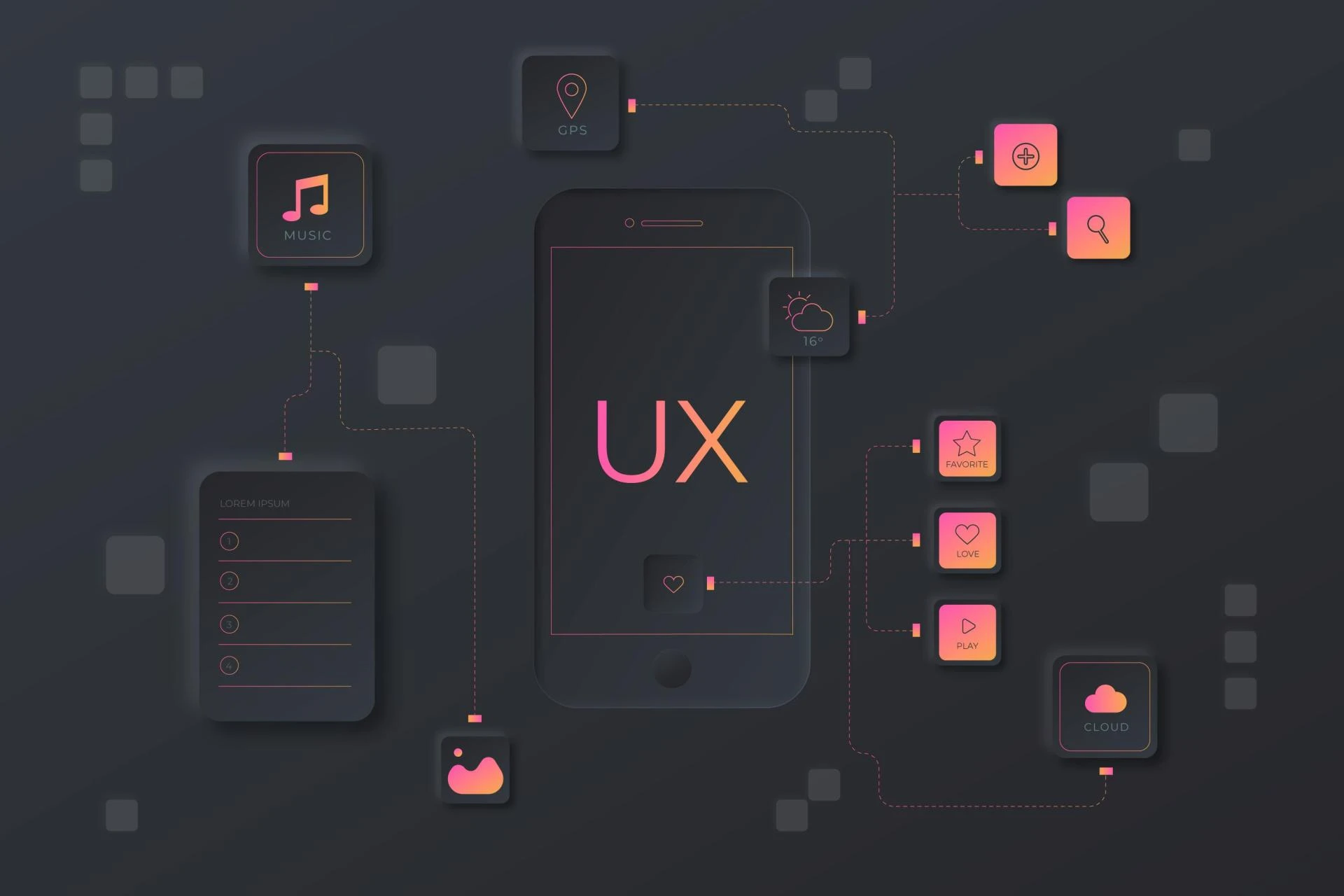
Neumorphism, or new skeuomorphism, blends flat design and skeuomorphism, creating interfaces that mimic physical objects with soft, extruded shapes and subtle shadows. This trend aims to make digital interfaces more tactile and intuitive.
7. Sustainability and Performance Optimization
As environmental awareness grows, sustainable web design is becoming a priority. This involves optimizing websites for performance to reduce energy consumption and ensuring that web practices are environmentally friendly. Faster load times and efficient resource use not only benefit the planet but also improve user experience.
8. No-Code/Low-Code Development
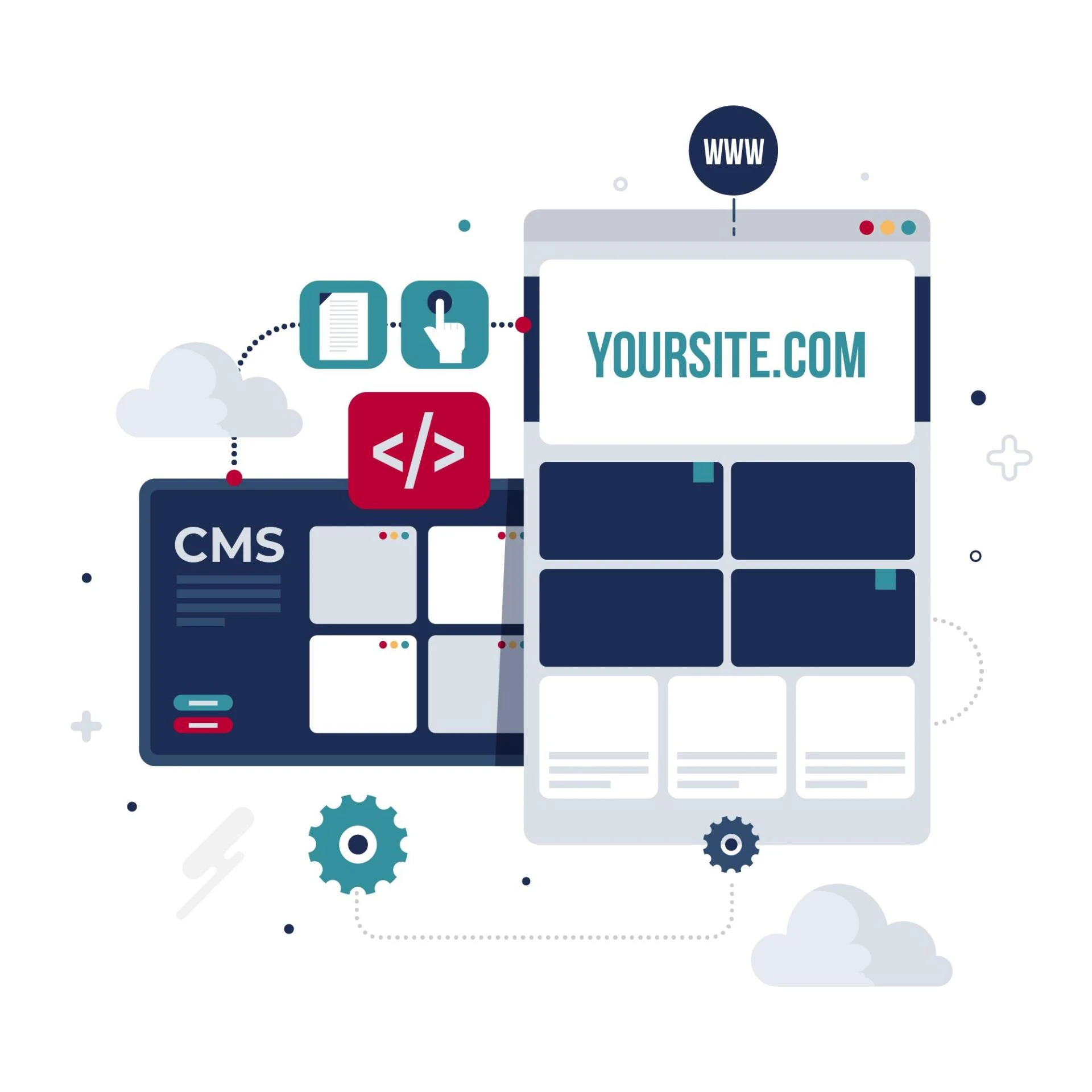
The rise of no-code and low-code platforms democratizes web design, allowing non-developers to create functional websites. These platforms reduce the barrier to entry and enable rapid prototyping and iteration, fostering innovation and creativity.
9. 3D Elements and Animations
Incorporating 3D elements and animations can make websites more dynamic and engaging. Advances in web technologies like WebGL and CSS3 allow designers to integrate 3D models and complex animations directly into web pages without relying on plugins.
10. Inclusive and Accessible Design
Inclusivity and accessibility are critical components of modern web design. Ensuring that websites are usable by people with disabilities is not only a legal requirement in many regions but also a moral imperative. Future web design will continue to prioritize accessible interfaces, incorporating best practices for readability, navigation, and interaction.
11. Data-Driven Design
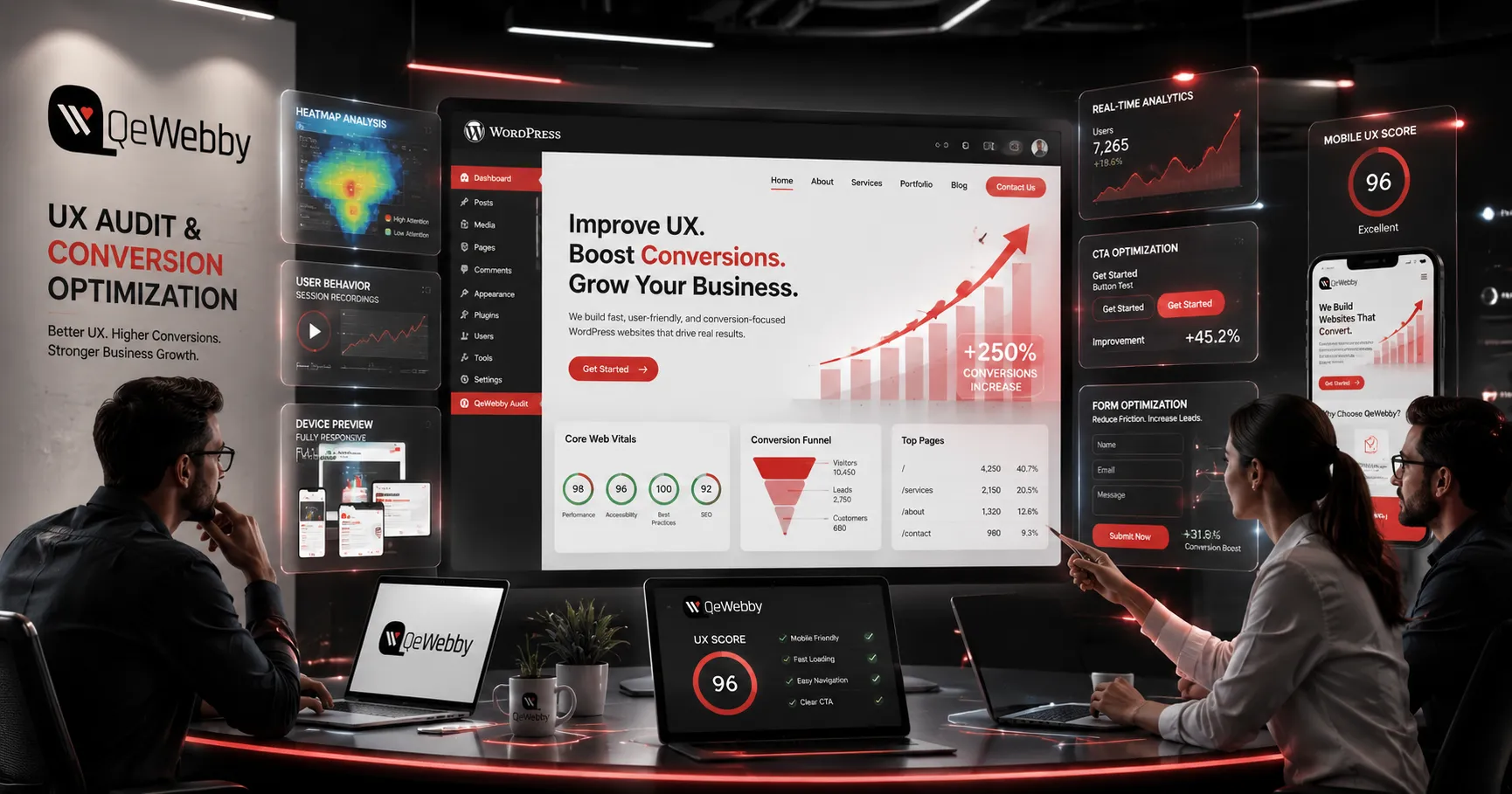
Leveraging data to inform design decisions is becoming more prevalent. Analyzing user behavior, preferences, and feedback helps designers create more effective and user-centric websites. Tools like A/B testing and heatmaps provide valuable insights into how users interact with web interfaces.
12. Minimalism and Clean Design
Minimalist design emphasizes simplicity, clarity, and functionality. This trend continues to gain traction as users seek straightforward, uncluttered interfaces that deliver information quickly and efficiently. Clean design with ample white space, simple typography, and intuitive navigation remains a staple of effective web design.
Conclusion
The future of web design is dynamic and multifaceted, driven by technological advancements and evolving user needs. By staying abreast of these trends and innovations, designers can create websites that are not only aesthetically pleasing but also functional, inclusive, and forward-thinking. As the digital landscape continues to evolve, the key to successful web design will be a balance of creativity, technology, and user-centricity.
Devoq Design is a leading UI/UX design agency, providing top-notch services in both UI/UX design agency in Mumbai and UI/UX design agency in Pune. Renowned for their creativity and meticulous attention to detail, Devoq Design specializes in crafting exceptional user interfaces and experiences that resonate with users. Whether you're in the dynamic business environment of Mumbai or the growing markets of Pune, Devoq Design's dedicated team offers customized solutions to elevate your digital presence, ensuring your products are both visually stunning and user-friendly.




















Sign in to leave a comment.