
Introduction
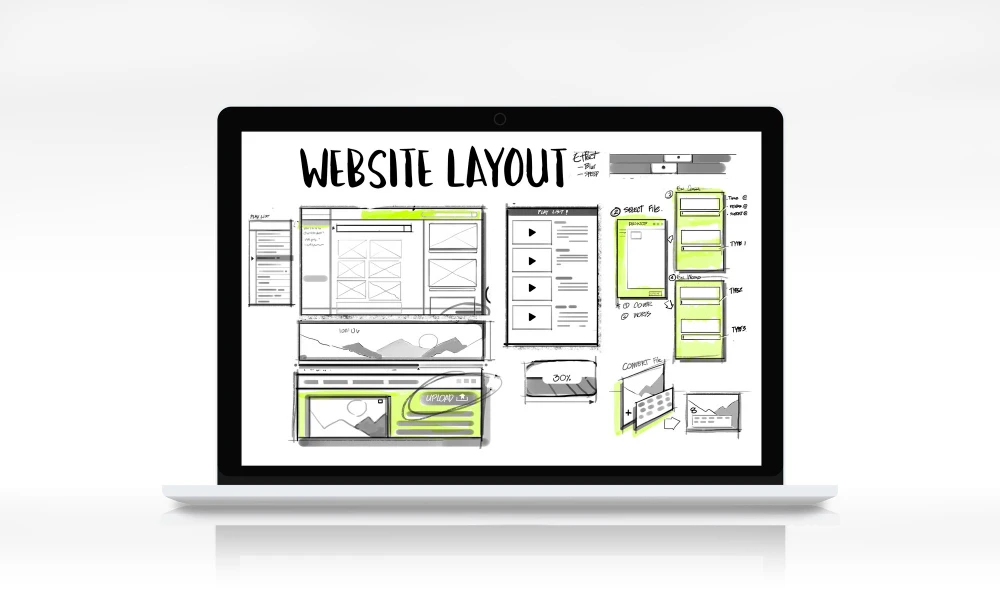
Web design has evolved significantly over the years, adapting to changing technologies and user preferences. As we look towards the future, several trends are poised to shape the way websites are designed and experienced. From minimalistic layouts to advanced technologies like AI and AR, the future of web design is exciting and full of possibilities.
Simplicity and Minimalism
One of the key trends in web design is the emphasis on simplicity and minimalism. Clean, clutter-free layouts not only look modern but also improve user experience by making it easier for visitors to find what they're looking for. Minimalistic design also helps websites load faster, which is crucial for retaining impatient users.
Dark Mode
Dark mode has gained popularity in recent years, and it's expected to become even more prevalent in web design. Dark backgrounds not only reduce eye strain, especially in low-light conditions, but also make colors and images pop, creating a visually striking experience.
3D Elements
The use of 3D elements in web design is on the rise, adding depth and interactivity to websites. From 3D graphics to interactive animations, these elements can create immersive experiences that engage users and bring concepts to life in ways that 2D designs cannot.
Artificial Intelligence
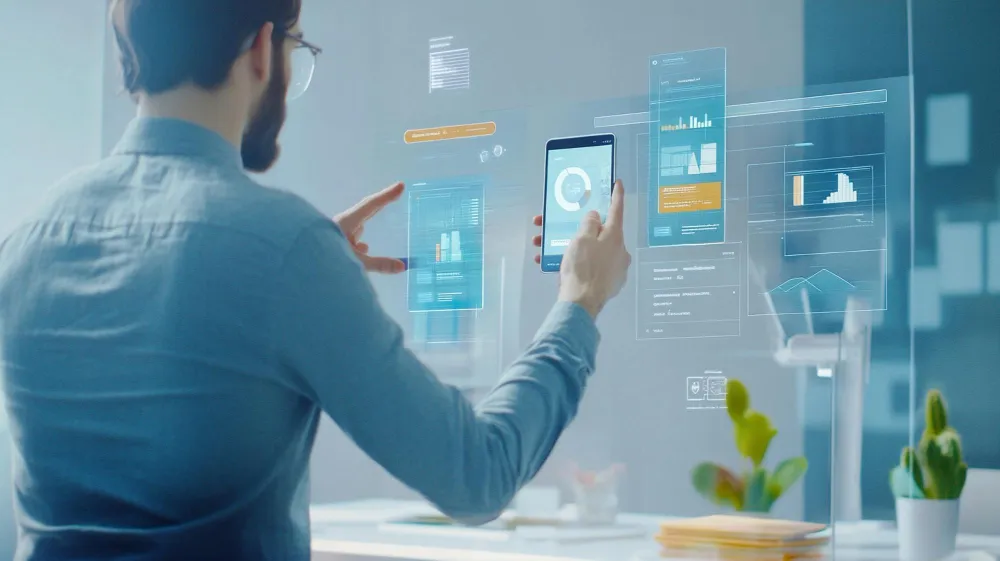
Artificial intelligence (AI) is revolutionizing web design by personalizing user experiences. AI-powered algorithms analyze user behavior and preferences to deliver customized content and recommendations, improving engagement and conversion rates.
Voice User Interface (VUI)
With the rise of smart speakers and virtual assistants, voice user interfaces (VUIs) are becoming more prevalent in web design. Integrating VUIs into websites allows users to navigate and interact with content using natural language, making the experience more intuitive and accessible.
Augmented Reality (AR) and Virtual Reality (VR)
AR and VR technologies are reshaping the way we interact with websites. From virtual try-on experiences for e-commerce sites to virtual tours of real estate properties, these technologies are creating immersive experiences that blur the line between the physical and digital worlds.
Responsive Design
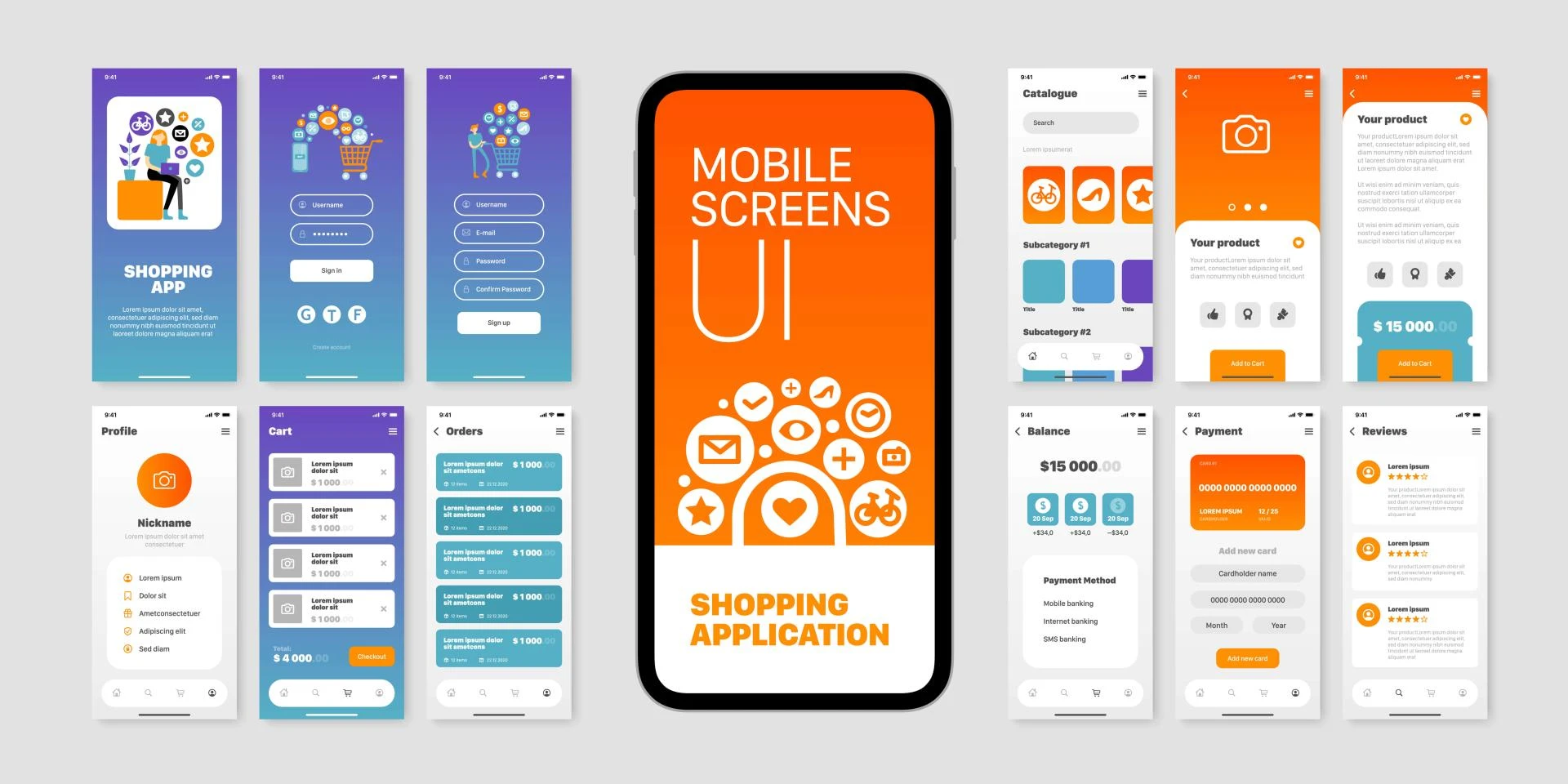
Responsive design has been a key trend in web design for years, but it's more important than ever. With the increasing use of mobile devices, websites must be optimized for different screen sizes and resolutions to provide a seamless experience across all devices.
Microinteractions
Microinteractions are subtle, interactive elements that enhance user engagement. From animated buttons to progress bars, these small details can make a big difference in how users perceive and interact with a website.
Scrolling Transformations
Scrolling transformations add depth and creativity to websites by changing elements as the user scrolls. This dynamic design technique can create a storytelling effect, guiding users through the content in a visually appealing way.
Typography
Typography plays a crucial role in web design, and it's expected to become even more important in the future. Bold, creative typography can make a strong visual impact and help convey the brand's personality and message.
Color Gradients
Color gradients are making a comeback in web design, adding depth and visual interest to backgrounds, buttons, and other elements. Gradients can create a sense of depth and dimensionality, making websites more visually appealing and engaging.
Sustainability and Eco-Friendly Design
As environmental concerns become more prominent, sustainability and eco-friendly design principles are shaping the future of web design. From using renewable energy to reducing carbon footprints, websites are incorporating green practices to minimize their environmental impact.
Conclusion
The future of web design is bright and full of innovation. By embracing trends like simplicity, AI, and AR, designers can create websites that are not only visually stunning but also user-friendly and engaging. As technology continues to evolve, the possibilities for web design are endless.
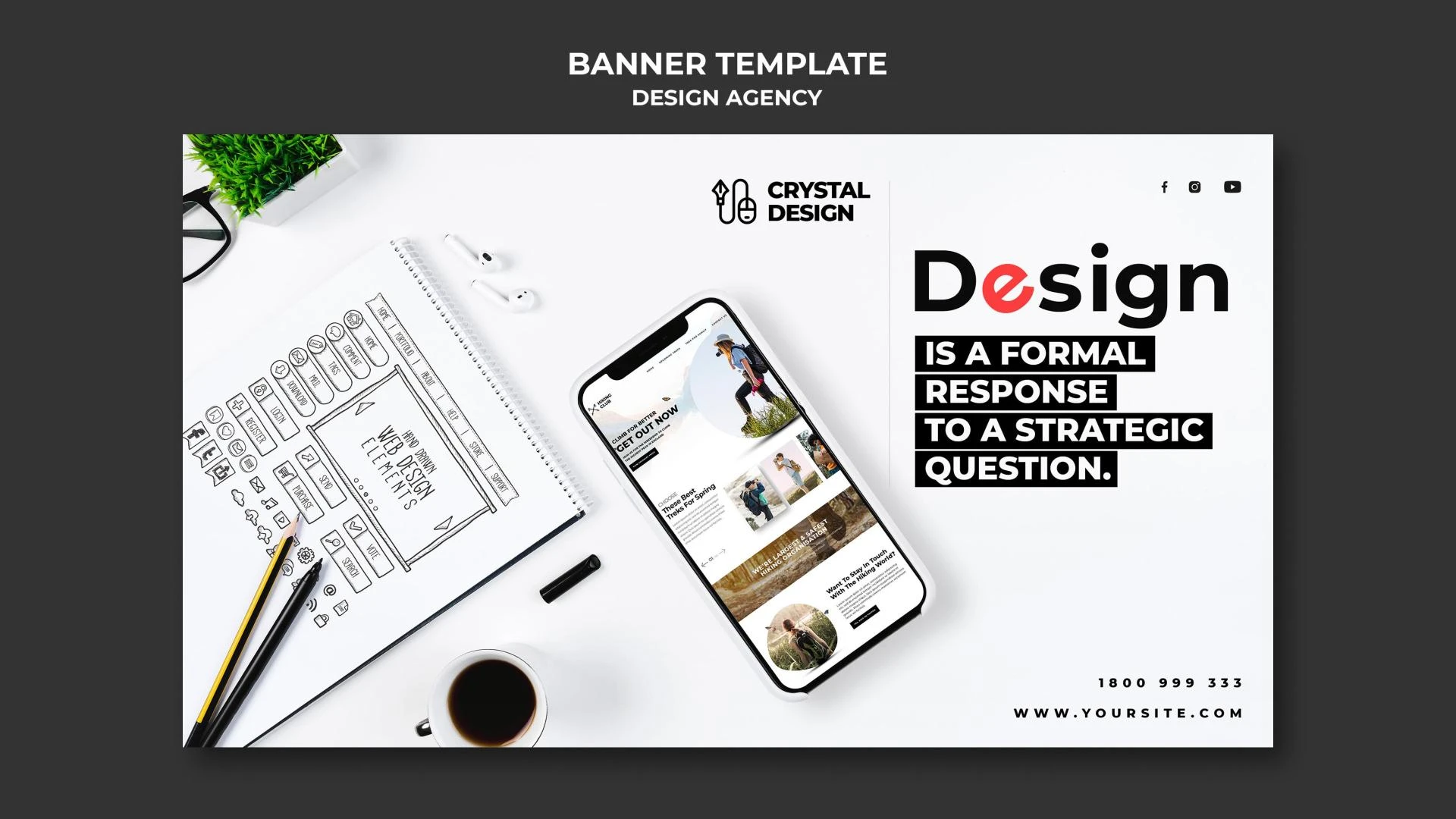
Devoq Design is a leading UI/UX design agency with a strong presence in both Colorado and Connecticut. As a top-tier UI/UX Design Agency in Colorado, Devoq Design excels in creating intuitive and visually appealing digital experiences that cater to diverse industries. Their team of expert designers and developers collaborate closely with clients to deliver customized solutions that enhance user engagement and satisfaction. Similarly, as a renowned UI/UX Design Agency in Connecticut, Devoq Design brings innovative design strategies and cutting-edge technology to the forefront, ensuring that each project not only meets but exceeds client expectations.



















Sign in to leave a comment.