
For commercial property owners and facility managers, the elevator is often the most expensive mechanical asset in the building. While the initial installation or a low-bid modernization contract might seem like the most critical financial hurdle, the real "budget killer" often hides in the fine print of the equipment’s design. Specifically, the distinction between proprietary and non-proprietary (open) elevator systems can mean the difference between long-term financial flexibility and being "locked in" to a single service provider for decades.
Understanding the mechanical and economic implications of proprietary hardware is essential for anyone overseeing commercial elevator maintenance or planning a large-scale commercial elevator modernization.
1. Defining Proprietary vs. Non-Proprietary Elevator Systems
In the elevator industry, proprietary equipment is designed, manufactured, and programmed by a specific company using "closed" software and hardware. These systems often require specialized tools, diagnostic computers, or software keys that only the original manufacturer possesses.
Conversely, non-proprietary or "open" systems are built using industry-standard components. These parts are accessible to any qualified elevator technician. Think of it like a car: a proprietary system is like a vehicle that can only be plugged into a diagnostic computer at a specific dealership, while an open system is like a vehicle that any high-quality local mechanic can service using standard tools and off-the-shelf parts.
2. The "Handcuff" Effect: Limited Service Options
The most immediate hidden cost of proprietary parts is the loss of competitive leverage. When your elevator controller requires a specific "tool" to read error codes or reset the system after a fault, you are effectively tethered to the manufacturer’s service department.
If the manufacturer’s service quality declines, or if their monthly maintenance fees skyrocket, you cannot simply hire a different local firm for commercial elevator repair. Because a third-party contractor cannot access the "brain" of your elevator, they may refuse the contract or charge significantly more to find workarounds. Open systems ensure that you, the owner, retain the power to choose who maintains your equipment based on performance and price, not technical barriers.
3. Inflated Parts Pricing and Availability
When a manufacturer has a monopoly on the replacement parts for your system, they control the pricing. Without the presence of third-party alternatives, proprietary boards, sensors, and drives often carry a significant markup.
Furthermore, the supply chain for proprietary parts is narrow. If a specific circuit board goes on backorder at the manufacturer, your elevator remains out of service until they fulfill the request. With non-proprietary systems used in modern commercial elevator modernization, parts are often stocked by multiple independent distributors. This competition keeps prices fair and ensures that components are readily available, reducing the "down-time" that frustrates tenants and visitors.
4. The Long-Term Impact on Commercial Elevator Maintenance
Effective commercial elevator maintenance relies on the ability to troubleshoot issues quickly. In a proprietary environment, even a highly skilled independent technician may spend hours trying to bypass a software lockout or wait days for a manufacturer’s technician to arrive with the necessary diagnostic tool.
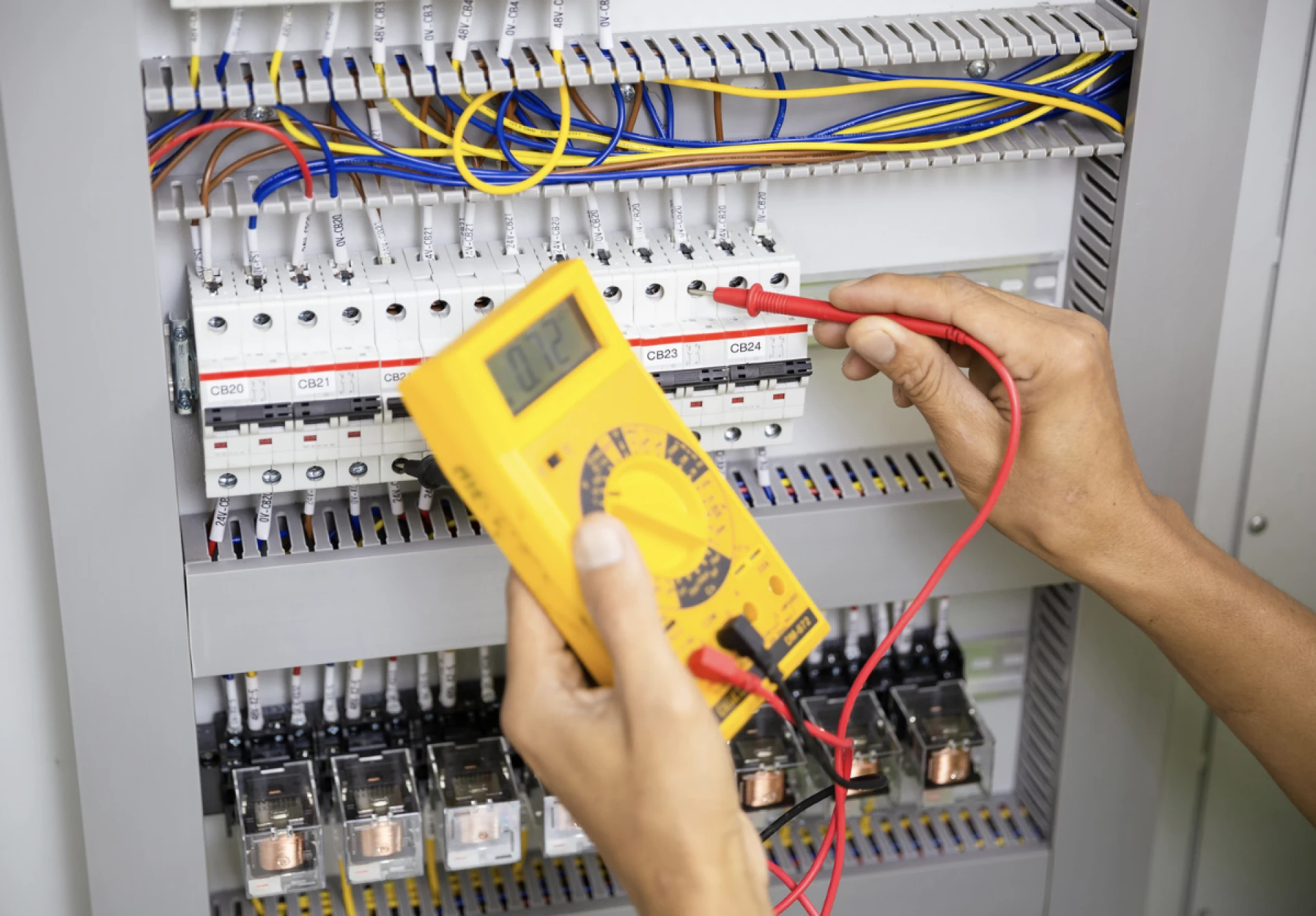
In an open system, the diagnostic capabilities are usually built into the controller itself or available via a standard interface. This transparency allows for faster diagnostics, more accurate repairs, and lower labor costs. When every minute of downtime affects the productivity of a commercial office building or a retail hub, the speed of service provided by open-access hardware is invaluable.
5. Software Lockouts and "Planned Obsolescence"
A growing concern in the industry is the use of software timers or "black box" controllers. Some proprietary systems are designed to trigger a fault code or a shutdown after a certain number of runs, requiring a manufacturer-specific reset.
Moreover, manufacturers may eventually stop supporting older proprietary models to encourage owners to purchase a completely new system. With non-proprietary equipment, the individual components—such as the motor drive or the door operator—can often be replaced or upgraded independently without needing to scrap the entire controller. This modularity fights back against planned obsolescence and extends the life of your investment.
6. Transparency in Technical Support and Documentation
One of the hallmarks of a non-proprietary system is the availability of full technical documentation and wiring diagrams. Manufacturers of open systems provide these to the owner as part of the installation package.
In proprietary setups, documentation is often guarded as trade secrets. If your building’s elevator fails and the original manufacturer is no longer in business or has been acquired by another firm, finding the technical "roadmap" to fix your elevator becomes a nightmare. Open systems provide a level of "future-proofing" that ensures any competent engineering firm can understand the system’s logic 15 or 20 years down the line.
7. Reducing the Need for Frequent Commercial Elevator Modernization
Modernization is a significant capital expenditure. Many buildings are forced into a premature commercial elevator modernization not because the heavy machinery (the rails, cabs, and pistons) is failing, but because the proprietary electronics have become unserviceable or parts are no longer manufactured.
By choosing non-proprietary components during the initial build or a mid-life upgrade, you ensure that the system can be maintained and repaired for its full mechanical lifespan. You avoid the "forced upgrade" cycle where a manufacturer tells you they no longer support your 12-year-old controller, essentially holding your building’s mobility hostage until you sign a new six-figure contract.
8. Analyzing the ROI of "Open" Specifications
While an open-system elevator might occasionally have a slightly higher upfront cost compared to a "packaged" proprietary model from a major multinational firm, the Return on Investment (ROI) is realized within the first five years of operation.
The savings come from:
- Reduced Monthly Contracts: Competitive bidding between independent service providers typically lowers maintenance costs by 15-30%.
- Lower Repair Bills: Access to wholesale parts markets rather than manufacturer-only pricing.
- Increased Property Value: Smart buyers and REITS (Real Estate Investment Trusts) look for "clean" mechanical systems that don't come with high-cost service encumbrances.
9. Ensuring Safety Through Accessible Diagnostics
Safety is the paramount concern in commercial elevator repair. When a technician has full access to the diagnostic data of a lift, they can identify "soft faults"—minor errors that haven't caused a breakdown yet but indicate wear.
Proprietary systems that hide this data from third-party technicians can lead to a "patchwork" repair style where only the most obvious symptoms are addressed. Open systems empower the technician to see the full health history of the machine, ensuring that safety components are monitored and replaced long before they reach a critical failure point.
10. Making the Right Choice for Your Building’s Future
If you are currently facing a major repair or considering a commercial elevator modernization, the most important question you can ask a contractor is: "Is this system non-proprietary, and will any qualified company be able to service it without a specialized tool or software key?"
Insisting on "open" equipment is a strategic business decision. It protects your operating budget, ensures the longevity of your building’s infrastructure, and maintains the high level of service your tenants expect. By removing the hidden costs of proprietary parts, you turn your elevator from a potential financial liability into a reliable, manageable asset.
In the world of commercial real estate, mobility is non-negotiable. Don't let a "closed" system dictate how you run your building. Choose transparency, choose competition, and choose an open system that puts the control back where it belongs: in the hands of the property owner.


























Sign in to leave a comment.