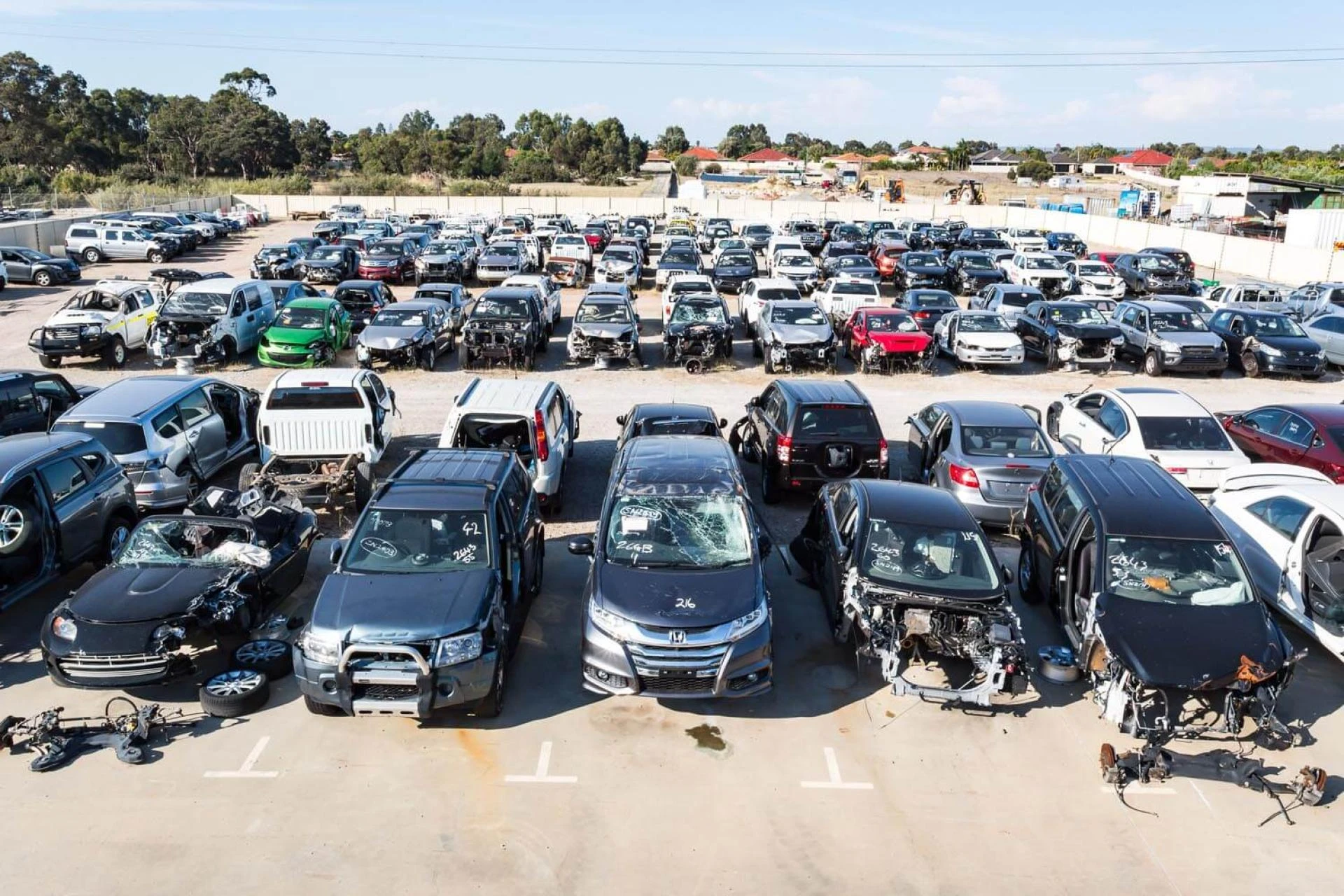

Selling a car is a decision that involves more than just handing over the keys and collecting money. In recent years, one method has become more common—selling vehicles for cash. This practice is shaping how cars move through local communities, especially in towns and suburbs where trade-ins and dealership sales were once the standard. When many people choose to sell their cars this way, it begins to influence how the entire local car market functions.
Understanding the Local Car Market
The local car market includes everything from dealerships to private sellers and buyers. It also involves mechanics, transport companies, and scrapyards. Every car sold or bought has a ripple effect, not just on the immediate seller or buyer, but on a web of others who rely on car sales to make a living.
People selling cars privately often list them online, wait for potential buyers, and then go through back-and-forth negotiations. Dealerships usually offer trade-ins, which may seem more convenient, but often leave sellers with less money than they hoped. In contrast, selling a car for cash offers a different route, and its influence is starting to show across local markets.
What Happens When People Sell Cars for Cash
When someone sells a car for cash, the transaction tends to be quick and final. These types of buyers are often individuals or businesses that either resell the car or use it for parts. The vehicle may be in good condition, or it could be damaged and not running at all. In either case, the car leaves the general market in one form and enters another.
This movement alters how used cars are available for others in the area. Cars that might have gone to a dealership or stayed in the private resale pool are instead removed from it. For buyers looking for second-hand vehicles, this can reduce choices over time. For sellers, the practice can increase demand, especially for certain makes or models that buyers want but are no longer available through local channels.
How It Affects Car Prices
One clear effect of increased cash car sales is on prices. When more people sell to cash buyers, fewer vehicles are left in the regular market. As availability drops, prices for some models can rise. This often affects older cars that are still in good condition, as well as those known for low running costs. Buyers who used to find deals in classified ads may now have to pay more or look further afield.
On the other side, scrap yards and parts dealers may see more business. Since some cash car sales involve vehicles that no longer run, these businesses gain access to a supply of parts they can use or resell. This can help keep other cars on the road longer, especially in areas where spare parts are not always easy to get.
Visit this page for car removal services in Hidden Valley: https://pscarremoval.com.au/locations/hidden-valley/
Impact on Local Employment
When cars stay in local markets, they help support jobs. Mechanics keep them running. Cleaners prepare them for resale. Transport workers move them between buyers. Dealership staff rely on a steady flow of cars to meet demand. But when more people choose to sell for cash, especially to buyers who take the car out of the area or dismantle it, some of these roles are affected.
That does not mean these jobs disappear, but they may shift. For example, workers in scrapyards may see more vehicles arrive, while private mechanics may have fewer clients needing help to prepare a car for sale. Over time, this shift can change how labour is used in the local economy.
Environmental Considerations
Selling a car for cash can also influence how vehicles are recycled or reused. Many older vehicles contain parts that are still functional, even if the body is damaged. When these cars are sold to businesses that dismantle and recycle, they are less likely to end up as waste.
This practice helps reduce the number of abandoned or poorly maintained cars in neighbourhoods. It also cuts down on pollution from fluids and metals left to leak into the ground. While this may not be the first thing sellers think about, it is one of the hidden ways this method affects the broader environment in a town or city.
Influence on Buyer Behaviour
Buyers also change their habits when they see fewer cars available locally. Some may turn to auctions, others to online platforms that deliver from far away. These changes add costs and can make the process more time-consuming.
Over time, this may lead to a shift in how people plan to buy their next car. Rather than waiting for the right model to appear nearby, they may feel pressure to act fast or widen their search. This can affect the sense of community that comes from local buying and selling, where people often knew or trusted the previous owner.
Real Example of Change in Suburban Markets
In suburban parts of towns like Pinelands, the growth of cash car sales has become more visible. Many residents prefer a straightforward process over the long wait of a private sale. Companies that offer instant cash have created a channel for people to dispose of cars that are no longer useful to them. One business, Car Removals Pinelands, has played a key role in this area. By buying unwanted cars and removing them efficiently, they have helped reduce roadside clutter and boosted the parts market in nearby regions. Their activity has also influenced how often used cars are resold in local classifieds, as fewer sellers choose the old ways.
Conclusion
Selling a car for cash is no longer just a personal decision—it is a part of a larger change in how local car markets work. While it brings quicker results for sellers, it also reshapes supply, pricing, employment, and even environmental factors in local communities. As more people adopt this method, the car market continues to evolve in ways that touch nearly every corner of town life. Those thinking of selling should be aware of these changes, not just for their own outcome, but for the effects it has on others in the same area.









Sign in to leave a comment.