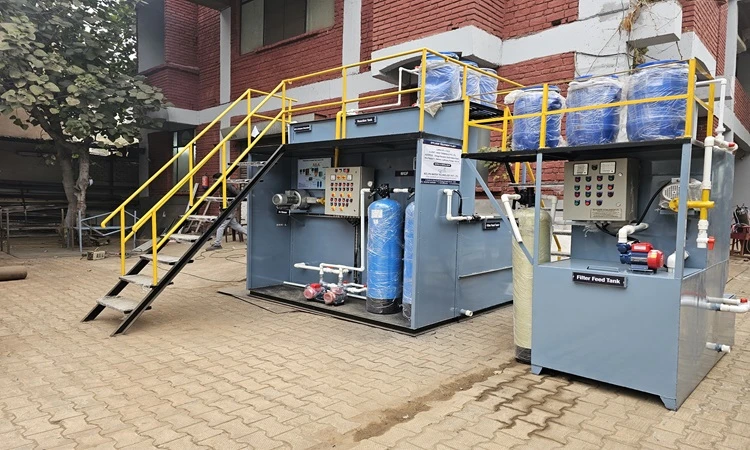

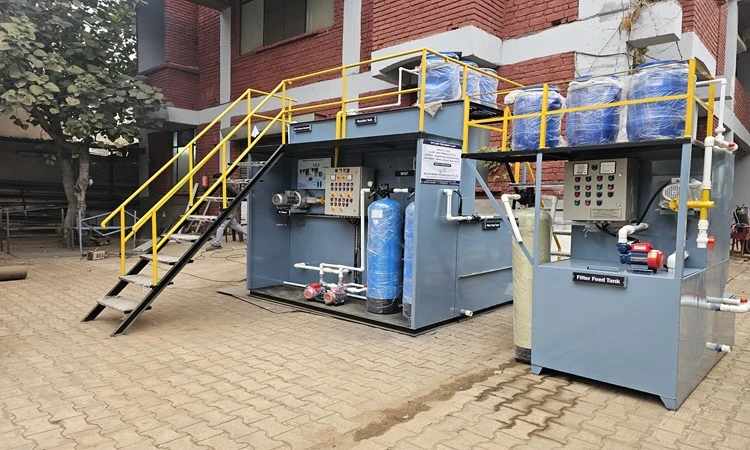
Effluent Treatment Plant (ETPs) play a crucial role in managing industrial wastewater and mitigating environmental pollution. With increasing industrialization, the generation of wastewater containing harmful chemicals and pollutants has escalated, posing significant risks to ecosystems and human health. ETPs are designed to treat this wastewater, ensuring that the discharged effluent meets regulatory standards and is safe for the environment.
The Need for Effluent Treatment Plants
Industries such as pharmaceuticals, textiles, chemicals, and food processing generate large volumes of wastewater that contain various pollutants. Discharging untreated or inadequately treated effluent can lead to severe environmental degradation, including:
Water Pollution: Contaminants can enter water bodies, affecting aquatic life and making the water unsafe for human consumption and recreational activities.Soil Contamination: Pollutants can seep into the soil, affecting plant growth and entering the food chain.Health Hazards: Exposure to polluted water can cause numerous health issues, including skin problems, gastrointestinal diseases, and long-term chronic conditions.Ecosystem Disruption: Harmful chemicals can disrupt the balance of ecosystems, leading to the loss of biodiversity and the collapse of ecological networks.Components of an Effluent Treatment Plant
Preliminary Treatment:Screening: Removes large solids and debris from the wastewater.Grit Removal: Separates heavy inorganic particles such as sand and gravel.Primary Treatment:Sedimentation: Allows suspended solids to settle at the bottom of the treatment tank.Flotation: Uses air bubbles to bring lighter particles to the surface, where they can be removed.Secondary Treatment:Biological Treatment: Involves the use of microorganisms to break down organic matter. This can be done through various processes, such as activated sludge, trickling filters, and bio-towers.Aeration: Introduces air into the wastewater to promote the growth of aerobic bacteria, which consume organic pollutants.Tertiary Treatment:Filtration: Removes any remaining suspended solids.Disinfection: Uses chemicals (e.g., chlorine) or physical methods (e.g., ultraviolet light) to kill pathogens.Advanced Treatment: May involve additional processes such as activated carbon adsorption, ion exchange, or membrane filtration to remove specific contaminants.Sludge Treatment and Disposal:Thickening: Concentrates the sludge by removing excess water.Stabilization: Reduces the pathogenic content and odor of the sludge through processes like anaerobic digestion.Dewatering: Further removes water to reduce the volume of sludge.Disposal: The treated sludge can be used as fertilizer, incinerated, or disposed of in landfills.Types of Effluent Treatment Processes
The treatment processes used in ETPs can be broadly categorized into three types: physical, chemical, and biological.
Physical Treatment:Screening and Sedimentation: As previously mentioned, these methods are used to remove solids and particulate matter.Filtration: Employs media filters, such as sand or activated carbon, to remove finer particles and dissolved pollutants.Chemical Treatment:Coagulation and Flocculation: Chemicals are added to the wastewater to facilitate the aggregation of smaller particles into larger clumps, which can be more easily removed.Neutralization: Adjusts the pH of the wastewater to a neutral level, which is essential for subsequent treatment processes.Oxidation and Reduction: Uses chemical agents to transform hazardous substances into less harmful ones.Biological Treatment:Aerobic Processes: Utilize oxygen-loving bacteria to decompose organic matter in the presence of oxygen.Anaerobic Processes: Use bacteria that thrive in the absence of oxygen to break down organic pollutants, often producing methane as a byproduct.Benefits of Effluent Treatment Plants
Environmental Protection: By removing harmful pollutants, ETPs prevent the contamination of natural water bodies and soil.Public Health: Proper treatment of industrial effluent reduces the risk of waterborne diseases and other health hazards.Resource Recovery: Treated wastewater can be reused for various purposes, such as irrigation, industrial processes, and groundwater recharge, thus conserving freshwater resources.Economic Savings: Efficient effluent treatment can reduce the cost of raw water procurement and lower waste disposal fees.Regulatory Compliance: Ensures that industries meet environmental regulations, avoiding legal penalties and fostering a positive corporate image.Innovations and Future Directions
The field of effluent treatment is continually evolving, with research and development focused on improving efficiency and sustainability. Some promising innovations include:
Membrane Bioreactors (MBRs): Combining biological treatment with membrane filtration to achieve high-quality effluent with reduced footprint.Advanced Oxidation Processes (AOPs): Using powerful oxidants to degrade complex pollutants that are resistant to conventional treatments.Nanotechnology: Employing nanoparticles to enhance the removal of contaminants at a molecular level.Green Technologies: Utilizing natural processes, such as constructed wetlands and phytoremediation, to treat wastewater in an eco-friendly manner.Conclusion
Effluent Treatment Plants are essential for mitigating the environmental impact of industrial activities. By employing a combination of physical, chemical, and biological processes, ETPs ensure that wastewater is treated effectively, protecting water resources, human health, and the environment. As technology advances, these plants will become more efficient and sustainable, playing a pivotal role in achieving a cleaner and healthier world.



























Sign in to leave a comment.