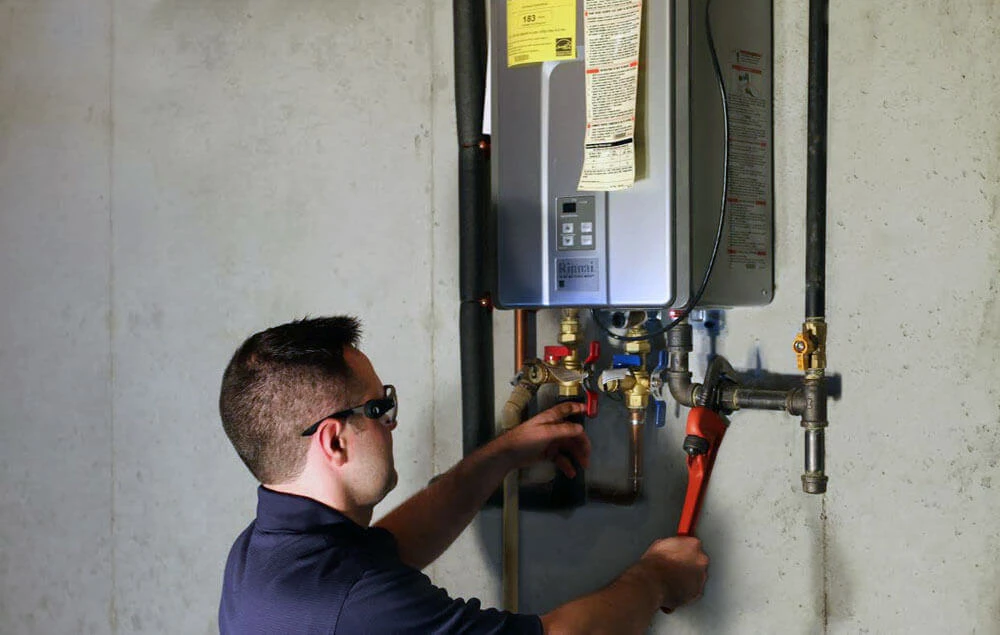

Safety checks during water heater installation and repair act as the primary defense against catastrophic home accidents, ranging from gas leaks to scalding incidents. In Washougal, adhering to specific regional codes ensures that these appliances operate securely even during seismic activity or pressure surges. A comprehensive safety evaluation confirms that every component, from the venting system to the anchoring straps, functions correctly to protect the household and the property structure.
Many homeowners underestimate the potential volatility of a water heater until it fails. These units combine high heat, pressure, and often combustible fuels within a confined space, creating a risk profile that demands professional attention. Licensed technicians follow rigorous protocols to verify that the unit communicates safely with the home's gas and water lines.
This article examines the specific safety measures required in Washington State and why they are non-negotiable for responsible property owners.
Mitigating Gas and Ventilation Risks
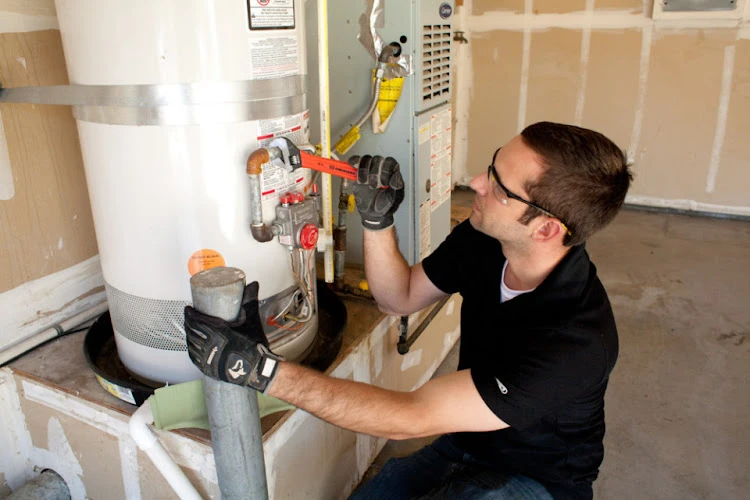
For homes utilizing natural gas or propane water heaters, the integrity of the fuel line and exhaust system is the top priority. A minor leak in the gas connection can lead to a buildup of combustible fumes, while improper venting allows carbon monoxide to seep back into living spaces. Professionals use specialized detectors to sniff out minute gas leaks that the human nose might miss during an installation or repair visit.
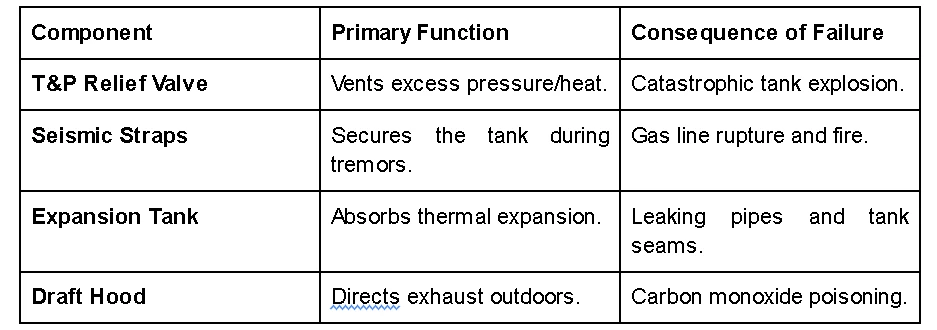
Ventilation systems rely on physics to carry dangerous combustion byproducts out of the home. Technicians inspect the draft hood and flue pipes to ensure they have the correct slope and diameter. Any obstruction or disconnection in this system poses a severe health threat to occupants, making this visual and physical inspection a mandatory step in the service process.
Carbon Monoxide Detection
Carbon monoxide is odorless and colorless, making it impossible to detect without equipment until physical symptoms arise. During a safety check, experts verify that the burner assembly achieves complete combustion, which minimizes the production of this deadly gas. They also check for backdrafting, a condition where negative pressure pulls exhaust air back down the flue.
- Draft Testing: Using a smoke pen or gauge to confirm air flows upward.
- Visual Inspection: Checking for rust or soot around the draft hood.
- Clearance Verification: Ensuring vents are far enough from windows and air intakes.
Combustion Air Requirements
Water heaters need a steady supply of fresh air to burn fuel efficiently. If a unit is located in a closet or small utility room, it must have adequate intake vents. Technicians calculate the cubic footage of the space to determine if additional makeup air is required to prevent oxygen depletion.
Regional Requirements: Seismic Strapping
Washington State sits within a seismically active region, which dictates specific installation standards to prevent water heaters from tipping over during an earthquake. A falling tank can sever gas lines, causing fires, or rupture water pipes, leading to flooding. Local code requires that all water heaters be secured to the wall studs with approved strapping materials.
Washougal inspectors look for two distinct straps on every tank: one in the upper third and another in the lower third. These straps must be made of heavy-gauge metal and anchored directly to the homes structural framing. Makeshift solutions like plumber's tape or bungee cords do not meet safety standards and will fail under the force of a tremor.
Restraint System Specifications
The goal of seismic strapping is to keep the unit vertical and stable. This prevents the heavy tank, which can weigh over 400 pounds when full, from becoming a dangerous projectile.
- Strap Placement: Upper strap 9 inches from the top; lower strap 4 inches from the controls.
- Anchor Type: Lag bolts driven deep into wall studs, not just drywall.
- Blocking: Adding wood blocking behind the tank if there is a gap between it and the wall.
Bonus Tip: Check Your Straps Annually
Homeowners should visually inspect their water heater straps once a year. If the straps appear loose or the lag bolts have pulled away from the wall, contact a professional immediately to reinforce the anchoring.
Managing Pressure and Temperature
Water heaters operate under significant internal pressure. If this pressure exceeds the tank's rating, the vessel can rupture with explosive force. Two critical safety components work together to manage this risk: the Temperature and Pressure (T&P) relief valve and the thermal expansion tank.
The T&P valve is designed to open automatically if the water temperature exceeds 210 degrees Fahrenheit or the pressure surpasses 150 psi. Technicians manually test this valve during safety checks to ensure it has not seized shut due to mineral buildup. A non-functional T&P valve turns a water heater into a potential time bomb.
Thermal Expansion Solutions
In Washougal, many homes are on a "closed" plumbing system due to check valves or pressure-reducing valves on the main line. When water heats up, it expands, but in a closed system, this extra volume has nowhere to go. This spikes the pressure inside the home's pipes.
An expansion tank provides a safe reservoir for this excess water volume. Installing this small tank prevents stress on the water heater's seams and the home's fixtures. Neglecting to install one in a closed system often leads to premature tank failure and voided manufacturer warranties.
Safety Component Failure Risks
Things to Consider Before Making a Decision
When selecting a service provider for water heater work, property owners must prioritize licensure and insurance over the lowest price. Unlicensed handymen often bypass safety checks to speed up the job, leaving the home vulnerable to code violations and physical hazards. A permit is required for water heater replacement in Washougal, and a reputable company handles this paperwork to ensure a third-party inspector reviews the work.
It is also wise to ask about the specific safety protocols the company follows. A professional will be able to explain their checklist, including gas leak testing, seismic bracing, and pressure verification. They should be willing to show the homeowner where the main shut-off valve is and explain how to use it in an emergency.
- Permitting: Confirm the contractor pulls the required city or county permits.
- Warranty: Ensure the labor includes a warranty that covers safety-related adjustments.
- Credentials: Verify the plumber carries a valid Washington State plumbing license.
Ensuring Long-Term Peace of Mind
Investing in professional safety checks is not merely about meeting bureaucratic rules; it is about preserving the sanctuary of the home. A properly installed and inspected water heater provides comfort without risk. By addressing ventilation, anchoring, and pressure regulation, homeowners protect their families from invisible dangers like gas leaks and structural failures.
Residents who prioritize these safety measures extend the life of their plumbing investment. They avoid the stress of emergency repairs and the costs associated with water damage. Ultimately, the confidence that comes from knowing the home is safe is the most valuable result of a detailed inspection.
Professional Support for Your Home
For Washougal residents seeking reliable water heater services, Simpson Plumbing LLC offers comprehensive installation and repair solutions rooted in safety and code compliance. Their team of licensed professionals understands the specific seismic and pressure challenges of the region. They perform rigorous safety evaluations on every job to ensure systems operate securely and efficiently.
To schedule a safety inspection or discuss water heater options, homeowners can contact the team via email at [email protected]. Simpson Plumbing LLC is also available by phone at (360) 954-2041 to answer questions and assist with service coordination. Trusting experienced technicians ensures that every installation meets the highest standards of safety and workmanship.
Common Questions About Water Heater Safety
Why is a permit necessary for a simple replacement?
A permit ensures that a qualified city inspector reviews the installation for safety compliance. This third-party check confirms that gas lines, venting, and seismic strapping meet current codes, protecting the homeowner from liability.
Can I reuse the old venting pipes?
Not always. New water heaters often have different efficiency ratings and draft requirements. Using mismatched venting can cause improper exhaust flow and carbon monoxide backdrafting.
How do I know if my T&P valve is bad?
If water drips constantly from the discharge pipe connected to the valve, it is likely failing or doing its job due to high system pressure. If the lever is stuck and will not lift, the valve is seized and needs to be replaced immediately.
Does the law require an expansion tank?
In Washington, if a backflow preventer or check valve is installed on the main water line, the plumbing code requires an expansion tank. This is standard in most modern installations to protect the system.
What causes a water heater to explode?
Explosions are sporadic but occur when the T&P valve is blocked, and the thermostat fails, causing the water to overheat and build immense pressure. Regular safety inspections virtually eliminate this risk.
Author: Bethanie Anderson is the President and General Manager of Simpson Plumbing, leading the company with a focus on teamwork, integrity, and community. Since joining in 2017, she has helped shape its growth while honoring its 40+ year legacy. As the primary owner, Bethanie continues to guide Simpson Plumbing in serving local families with trusted plumbing, remodeling, and clean water solutions.
Reviewer: With over 12 years of experience in residential plumbing services, Zoe Carter ensures every detail in this content reflects practical industry knowledge and current plumbing standards.


























Sign in to leave a comment.