

In today’s industrial landscape, ensuring the health and safety of employees is of paramount importance. One of the significant hazards that many workers face is exposure to silica dust. Understanding the risks associated with silica dust and implementing effective training programs is crucial for maintaining a safe work environment. Silica dust awareness is essential for workers in various industries, particularly those involved in construction, mining, and manufacturing, where silica is prevalent.
What is Silica Dust?
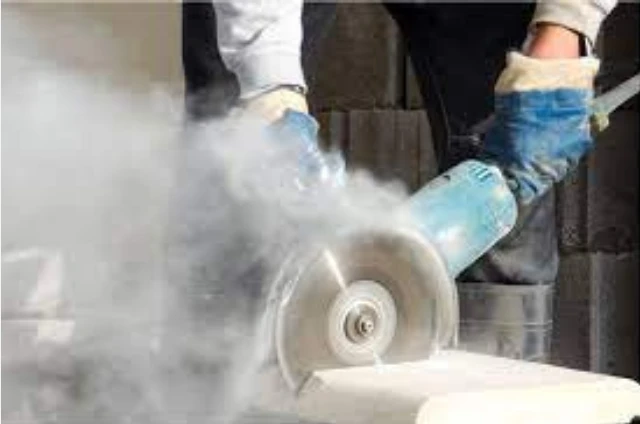
Silica dust is composed of tiny particles of silicon dioxide, which is found in materials such as sand, stone, and concrete. When these materials are disturbed through processes like cutting, grinding, or drilling, silica dust can become airborne, posing serious health risks to workers who inhale it. Prolonged exposure to silica dust can lead to respiratory diseases, including silicosis, chronic obstructive pulmonary disease (COPD), and lung cancer. Understanding the composition and sources of silica dust is the first step in recognizing its dangers.
Due to its ubiquitous presence in many work environments, silica dust exposure is a significant concern for occupational health and safety. Workers often do not realize the extent of the risk until they experience health issues, which can take years to develop. Therefore, raising awareness about silica dust and its associated risks is critical for prevention and protection.
The Health Risks of Silica Dust Exposure
The health risks associated with silica dust exposure can be severe and long-lasting. Silicosis, a progressive lung disease caused by the inhalation of silica particles, is one of the most common health issues linked to silica dust. It occurs when the lungs become scarred due to the accumulation of silica dust, leading to symptoms such as coughing, shortness of breath, and fatigue. As the disease progresses, it can significantly impair lung function and lead to other serious respiratory issues.
In addition to silicosis, exposure to silica dust is also linked to an increased risk of lung cancer. Studies have shown that workers exposed to respirable crystalline silica are more likely to develop lung cancer compared to those who are not exposed. Furthermore, there is evidence suggesting that silica exposure may contribute to other health issues, including autoimmune diseases and kidney disease.
Given these serious health implications, it is imperative for organizations to prioritize silica dust awareness among their workforce. Educating employees about the health risks associated with silica exposure can empower them to take necessary precautions and advocate for safer work practices.
Essential Components of Silica Dust Awareness Training
A comprehensive silica dust awareness training program should cover several key components to effectively educate employees about the hazards of silica dust and the measures needed to protect themselves. One of the primary focuses of the training should be on identifying sources of silica dust in the workplace. Workers need to recognize materials that contain silica and understand how their tasks may generate dust.
Another critical aspect of the training involves understanding the health effects associated with silica exposure. Participants should learn about the symptoms of silicosis and other respiratory diseases, as well as the long-term consequences of exposure. Knowledge about these health risks can motivate employees to adhere to safety protocols and take preventive measures seriously.
The training should also emphasize the importance of using appropriate personal protective equipment (PPE) when working in environments where silica dust is present. This includes respirators, dust masks, and protective clothing. Employees must be educated on how to select, use, and maintain this equipment effectively to minimize their risk of exposure.
Furthermore, the training should cover best practices for controlling silica dust in the workplace. This includes implementing engineering controls, such as ventilation systems and water suppression methods, as well as administrative controls like work scheduling to limit exposure time. By providing workers with practical strategies to reduce silica dust levels, organizations can enhance overall safety.
The Role of Employers in Promoting Awareness
Employers play a crucial role in promoting silica dust awareness and ensuring the safety of their workforce. It is their responsibility to provide access to training programs that equip employees with the knowledge and skills to recognize and manage silica dust risks effectively. By prioritizing training, organizations demonstrate their commitment to protecting the health and well-being of their workers.
In addition to providing training, employers should regularly assess their work environments for potential silica dust hazards. Conducting routine inspections and monitoring air quality can help identify areas where exposure levels may be elevated. By proactively managing risks, organizations can prevent accidents and ensure compliance with health regulations.
Creating an open dialogue about silica dust awareness is also essential. Employers should encourage employees to voice their concerns regarding silica exposure and provide a platform for reporting potential hazards. Establishing clear reporting procedures allows for prompt action to be taken, ensuring a safer work environment.
The Benefits of Comprehensive Training Programs
Investing in a silica dust awareness training program yields numerous benefits for both employees and employers. For workers, the primary advantage is enhanced safety. By equipping them with the necessary knowledge and skills to manage silica dust effectively, organizations can significantly reduce the risk of respiratory diseases. This proactive approach not only protects employees but also contributes to improved job satisfaction and morale.
For employers, providing comprehensive training reflects a commitment to health and safety standards. Organizations that prioritize worker safety are often viewed more favorably by clients and regulatory bodies. This commitment can lead to increased trust and better business relationships, ultimately enhancing the organization's reputation in the industry.
Moreover, reducing the risk of silica-related health issues can result in significant cost savings for employers. Fewer workplace illnesses lead to lower medical expenses, reduced insurance premiums, and less downtime due to health-related absences. By investing in training, organizations can minimize these costs and allocate resources more effectively.
The Flexibility of Online Training Options
With advancements in technology, many organizations now offer silica dust awareness training online. This format provides significant flexibility for both employers and employees. Online training allows workers to complete the course at their own pace and convenience, making it easier to balance their training with work commitments.
Furthermore, online courses often include interactive elements, such as videos, quizzes, and simulations, which enhance engagement and retention of information. This multimedia approach caters to different learning styles, ensuring that participants grasp essential concepts effectively.
For employers, online training can also be more cost-effective. It eliminates travel expenses and allows organizations to train multiple employees simultaneously. This streamlined approach can lead to more efficient training processes and better resource allocation.
The Importance of Continuous Education
Silica dust awareness is not a one-time training event; it requires ongoing education and periodic refreshers. As regulations and best practices evolve, it is vital for employees to stay informed about the latest developments in silica dust management. Continuous learning helps ensure that workers remain vigilant and aware of any changes that may affect their safety.
Employers should consider implementing periodic refresher courses or workshops to reinforce the principles learned during the initial training. These sessions can serve as opportunities to discuss recent case studies, emerging risks, and updated guidelines for silica dust management. By investing in ongoing education, organizations can foster a culture of continuous improvement and safety.
Additionally, regular monitoring and assessment of silica exposure levels in the workplace are essential. Employers should implement routine testing and maintenance schedules to ensure that silica dust levels remain within safe limits. This proactive approach not only minimizes the risk of exposure but also demonstrates a commitment to health and safety.
Conclusion
In conclusion, silica dust awareness is a critical aspect of workplace safety that cannot be overlooked. By educating employees about the risks associated with silica dust and implementing effective training programs, organizations can significantly reduce the potential for health issues and create a safer work environment. Companies such as NATAS ASBESTOS: TRAINING LTD provide valuable resources to facilitate this training, ultimately contributing to the well-being of employees and the overall success of the organization. Investing in awareness and education is not merely a legal obligation; it is a commitment to the health and safety of every individual involved.
































Sign in to leave a comment.