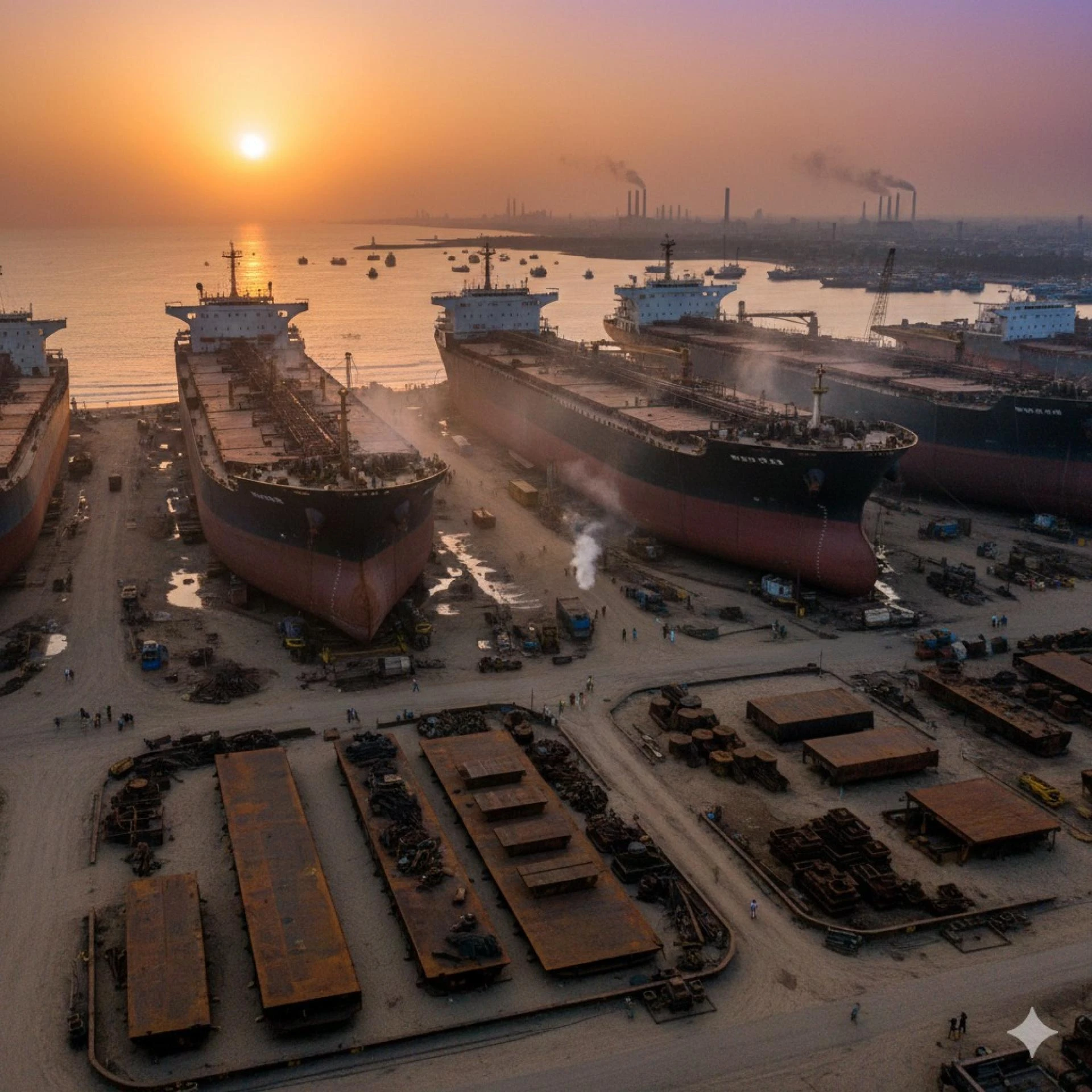

When you first stand on the shores of Alang, it feels like you’ve stepped onto another planet. It’s loud, it smells like salt and burnt metal, and the scale of it just makes you feel tiny.
But I’ve spent a lot of time talking to the folks who work there, and I’ve realized Alang isn't just some "industrial site." It’s a living, breathing part of our country’s soul. If you’re an Indian, or even if you’re just someone who cares about how the world works, you need to know why this stretch of Gujarat coastline is so special.
Let me tell you the story of Alang, not like a textbook, but like we’re sitting together over a cup of cutting chai.
It’s Not a Graveyard, It’s a Rebirth
People often call Alang a "ship graveyard." I really hate that term. A graveyard is where things end. Alang is where things get a second life.
Think about a massive cargo ship. It’s spent 25 years battling 30-foot waves in the Atlantic, carrying everything from your neighbor’s new car to the grain that feeds a whole city. Eventually, the engine gets tired. The hull gets thin. It’s “retired.”
In many parts of the world, that ship would just be left to rust away, leaking oil and poisoning the water. But in Alang? We don't waste a single bolt. We take that "retired" giant and turn it into the rebar (sariya) that builds the apartment you live in today.
Why Our Gujarat Coast? (Nature's Magic)
You might wonder, “Why Alang? Why not Mumbai or Chennai?”
It’s because of a miracle of nature. The Gulf of Khambhat has these crazy high tides. Twice a month, the sea rises so high it’s almost unbelievable. The captains of these old ships wait for that perfect moment. They "beach" the ship—which basically means they drive it at full speed toward the shore during high tide. When the tide goes out, this massive ship is just sitting there on the mud, ready for the workers.
It’s like the ocean is handing us a gift every fifteen days.
The "Alang Market": A Middle-Class Dream
If you ever go there, don’t just look at the ships. Look at the shops lined up along the road leading to the yard. It’s the world’s biggest garage sale!
When a ship is broken down, we don’t just melt the steel. Think about what’s inside a ship.
The Kitchens: Huge industrial ovens, high-end fridges, and copper pots.
The Cabins: Solid teak wood doors, beautiful brass lamps, and sturdy bunk beds.
The Tech: Massive generators that can power a whole village.
I know people who have furnished their entire homes with "Alang goods." It’s high-quality stuff that would cost lakhs in a showroom, but here, it’s affordable. It’s how the global "rich" waste becomes a "resource" for the hardworking Indian middle class.
The Real Heroes: The Workers
I want to talk about the men you see there. They come from everywhere—Bihar, UP, Odisha, and our own Gujarat. They stand there with their gas torches, sparks flying like fireworks, cutting through steel that’s inches thick.
It’s tough work. It’s hot, and it’s loud. But there’s a sense of pride there. These guys aren't just "laborers"; they are experts. They know exactly where to cut so a 10-ton piece of metal falls safely.
Because of Alang, nearly 3 lakh people have a way to send money back home. It keeps the stoves burning in thousands of kitchens across India. When you look at it that way, Alang isn’t just about ships; it’s about families.
Is it Clean? (The Truth)
For a long time, the world pointed fingers at us, saying Alang was dirty or dangerous. And look, back in the day, maybe it was. But things have changed so much.
Today, India has stepped up. We are following international rules (the Hong Kong Convention). Many yards now have concrete floors so oil doesn't seep into the sand. Workers have better gear. We are proving to the world that we can be the world’s "recycling hub" without destroying our backyard.
Why the World Needs Alang
If Alang stopped working tomorrow, the global marine industry would have a massive heart attack.
Steel Prices would jump: We provide so much recycled steel that it keeps the market steady.
The Oceans would get dirtier: Where else would these thousands of old ships go?
The Environment would suffer: Making new steel from scratch creates way more pollution than recycling what we already have.
My Final Thought
Next time you’re driving over a bridge or looking at a new skyscraper in Ahmedabad or Delhi, just take a second to think. There’s a good chance the "bones" of that building—the steel inside—once sailed the seven seas.
Alang is a place of grit, sweat, and incredible recycling. It’s where India shows the world that we don’t just throw things away; we find value in what others call junk. It’s a place of hope.
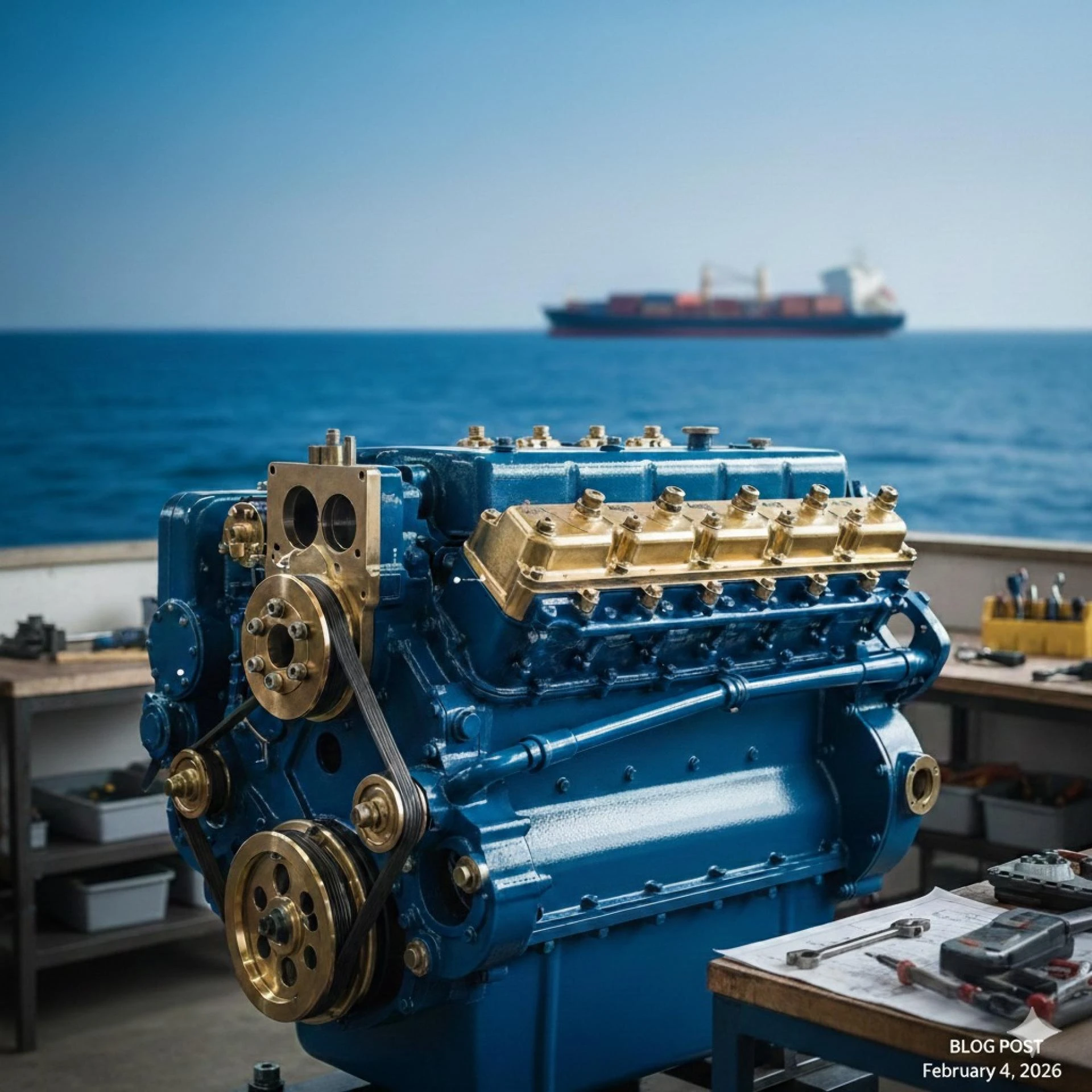
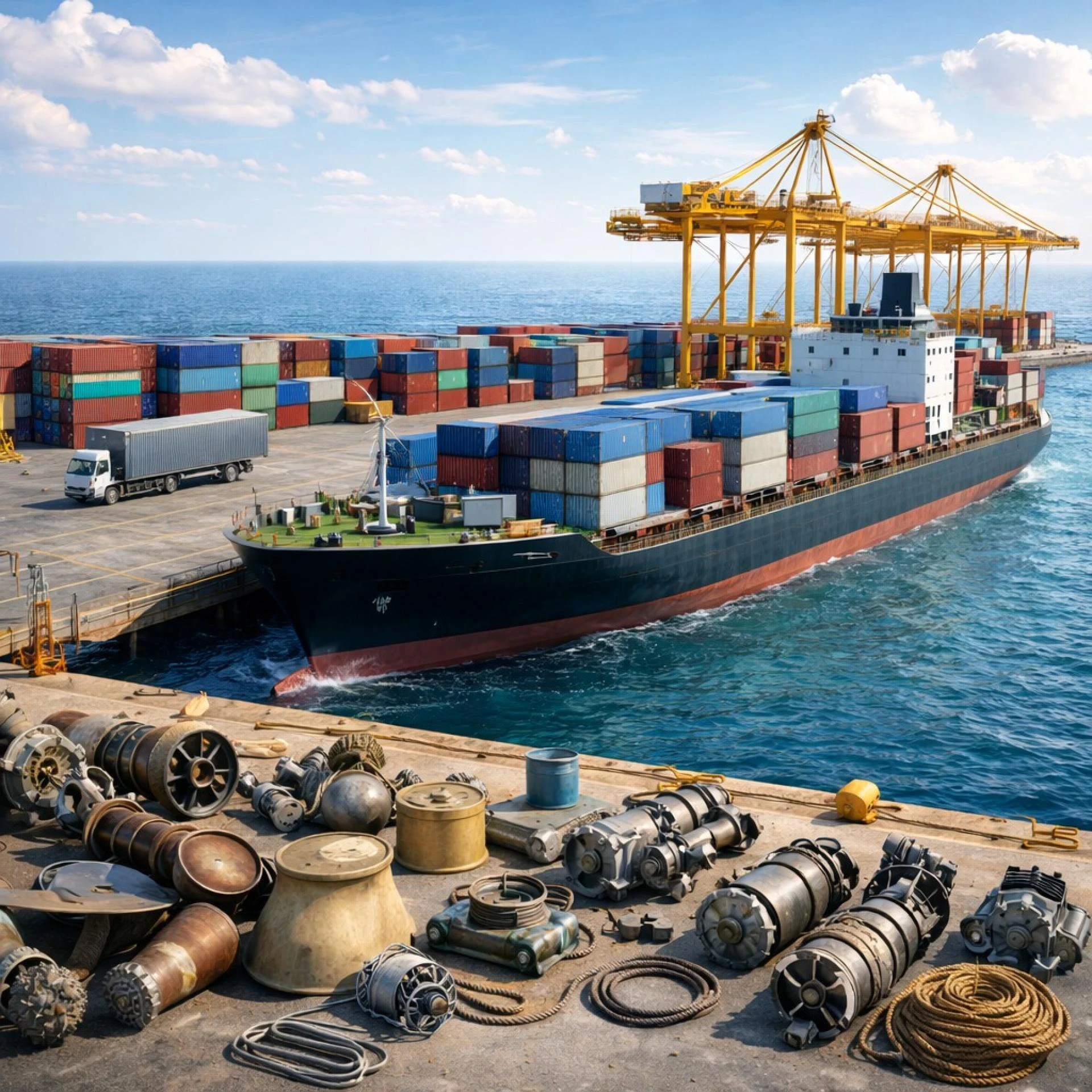
And this is exactly where Labdhi Marine fits into the story. For us at LabdhiMarine.com, Alang isn’t just a location on the map—it’s the heartbeat of what we do. Every engine part, pump, generator, or piece of marine equipment we source carries the legacy of this yard: reuse done responsibly, value recovered with expertise, and quality passed on to shipowners who still believe in doing things the smart way. When you work with Labdhi Marine, you’re not just buying marine spares—you’re becoming part of Alang’s larger story of sustainability, skill, and second chances.



























Sign in to leave a comment.