
In the realm of digital design, UI (User Interface) and UX (User Experience) are two closely intertwined concepts that, when effectively combined, create seamless and engaging user interactions. Understanding the relationship between UI and UX is essential for designers aiming to craft cohesive experiences that delight users and fulfill their needs.
Understanding UI and UX
User Interface (UI):
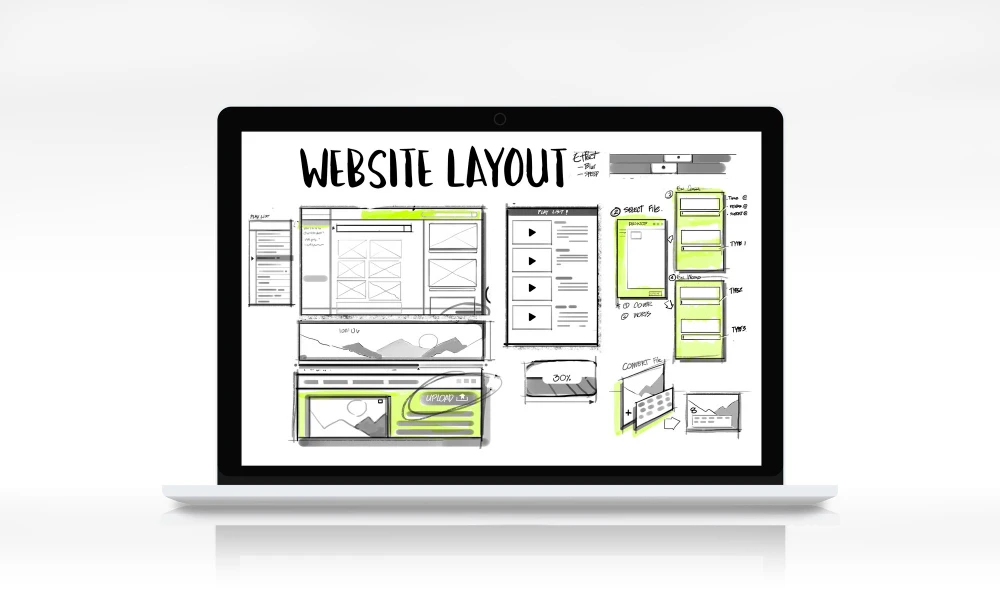
UI refers to the visual elements through which users interact with a product. This includes buttons, icons, typography, color schemes, and layout. The primary goal of UI design is to create aesthetically pleasing and intuitive interfaces that make it easy for users to navigate and accomplish their tasks. Good UI design ensures that the interface is visually appealing and consistent, providing a smooth interaction flow.
User Experience (UX):
UX encompasses the overall experience a user has when interacting with a product or service. This involves a deep understanding of user behaviors, needs, and pain points. UX design focuses on usability, accessibility, and the satisfaction users derive from their interactions. The aim is to create products that are not only functional but also enjoyable and efficient to use.
The Intersection: Crafting Cohesive Experiences
The synergy between UI and UX is crucial for creating cohesive user experiences. Here’s how they intersect and complement each other:
Aesthetic-Usability Effect:
A visually appealing interface (UI) can enhance the user's perception of usability (UX). Users are more likely to trust and feel comfortable with a product that looks good, which in turn can lead to a more positive overall experience.Consistency and Familiarity:
Consistent UI elements, such as buttons, icons, and navigation patterns, help users understand and predict how the interface will behave. This consistency reduces the learning curve and enhances the UX by making interactions more intuitive.User-Centered Design:
Both UI and UX design processes start with understanding the user. User research informs UI decisions, such as color choices and layout, and UX decisions, such as feature prioritization and user flow. This ensures that the design is tailored to meet user needs and preferences.Feedback and Interaction:
UI elements should provide clear feedback to users’ actions, reinforcing that their interactions are acknowledged and leading to the desired outcomes. This feedback loop is a critical component of UX, ensuring that users feel in control and confident in using the product.Accessibility:
Ensuring that the UI is accessible to all users, including those with disabilities, is a fundamental aspect of both UI and UX. This involves designing with accessibility standards in mind, such as using readable fonts, providing sufficient color contrast, and enabling keyboard navigation.Achieving Cohesion in Design
To create a cohesive experience, designers must seamlessly integrate UI and UX principles. Here are some strategies to achieve this:
Collaborative Design Process:
Encourage collaboration between UI and UX designers from the outset. Regular communication and iterative feedback loops ensure that visual and experiential elements align harmoniously.Prototyping and Testing:
Develop prototypes that incorporate both UI and UX aspects and conduct usability testing with real users. This helps identify and address any inconsistencies or pain points early in the design process.Design Systems:
Implement a design system that provides a set of standards and guidelines for UI components and UX patterns. This promotes consistency and efficiency, enabling designers to create cohesive experiences across different products and platforms.Continuous Improvement:
Collect user feedback and analytics post-launch to identify areas for improvement. Continuously iterate on the design to enhance both the UI and UX based on real user data.Conclusion
The intersection of UI and UX is where truly cohesive and delightful user experiences are born. By balancing the aesthetic appeal of UI with the functional and emotional aspects of UX, designers can create products that not only look great but also provide meaningful and satisfying interactions. This holistic approach to design ensures that users' needs are met, leading to higher engagement and loyalty.
Devoq Design is a distinguished UI/UX design agency with a strong presence in both Andhra Pradesh and Telangana. Known for their innovative and user-centric design solutions, Devoq Design excels in crafting digital experiences that are both engaging and functional. As a leading UI/UX design agency in Andhra Pradesh, they have partnered with various businesses to deliver bespoke design services that cater to their unique needs. Similarly, UI/UX Design Agency in Telangana, Devoq Design has established itself as a top-tier UI/UX design agency, consistently providing high-quality design solutions that enhance user interaction and satisfaction.























Sign in to leave a comment.