
In the ever-evolving landscape of data storage, Storage Area Networks (SANs) have firmly established themselves as a cornerstone of modern data centers. SANs offer a robust, scalable, and high-performance solution for managing the explosive growth of data in today's digital age. As organizations grapple with the challenges of Big Data, virtualization, and cloud computing, understanding the critical role of SAN storage has become more important than ever.
What is a Storage Area Network (SAN)?
A Storage Area Network is a dedicated high-speed network that provides access to consolidated block-level storage. It is designed to connect servers to their logical disk units (LUNs) housed within the SAN, allowing for efficient data transfer and management. By separating storage from servers, SANs enable organizations to optimize their storage infrastructure, improve performance, and enhance data protection.
Key Benefits of SAN Storage
High Performance: SANs deliver superior performance by providing dedicated bandwidth for data traffic, minimizing latency, and enabling fast data access. This is particularly crucial for I/O-intensive applications like databases, virtual machines, and big data analytics.Scalability: As data volumes continue to grow exponentially, the ability to scale storage capacity and performance is critical. SANs offer excellent scalability, allowing organizations to add storage devices and expand capacity on-demand without disrupting ongoing operations.Enhanced Data Protection: SANs offer advanced data protection features such as snapshots, replication, and remote mirroring. These capabilities enable organizations to create point-in-time copies of data, replicate data to secondary sites for disaster recovery, and ensure high data availability.Improved Efficiency: By consolidating storage resources into a centralized pool, SANs enable more efficient utilization of storage capacity. This reduces costs associated with overprovisioning and simplifies storage management tasks like provisioning, monitoring, and troubleshooting.Virtualization Enablement: SANs are an ideal storage platform for virtualized environments. They provide the necessary performance, scalability, and flexibility to support the dynamic nature of virtual machines, enabling features like live migration, high availability, and load balancing.Trends Shaping the Future of SAN Storage
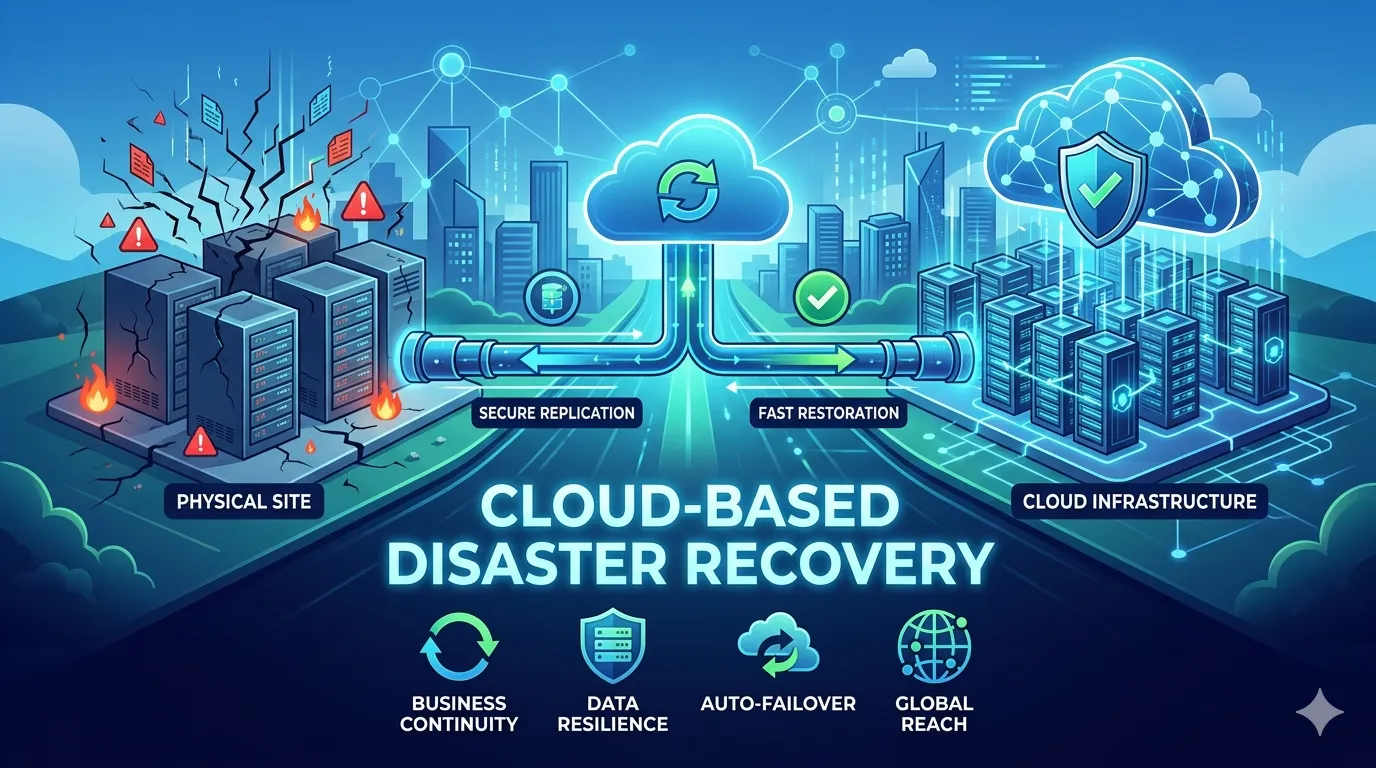
All-Flash Arrays: The advent of all-flash arrays has revolutionized SAN storage, delivering unprecedented levels of performance and low latency. As flash prices continue to decline, all-flash SANs are becoming increasingly accessible and are poised to become the dominant storage medium in data centers.NVMe over Fabrics: Non-Volatile Memory Express (NVMe) over Fabrics is an emerging technology that extends the benefits of NVMe to SANs. By leveraging high-speed interconnects like Fibre Channel and Ethernet, NVMe over Fabrics enables ultra-low latency and massive parallelism, unlocking new levels of storage performance.Software-Defined Storage: Software-defined storage (SDS) is gaining traction as a means to abstract storage hardware from software, enabling greater flexibility and agility. SDS solutions can be deployed on commodity hardware, reducing costs and allowing for easier integration with cloud platforms.Hybrid Cloud Integration: As organizations embrace hybrid cloud strategies, integrating SAN storage with public cloud resources becomes crucial. Technologies like cloud tiering and cloud-based disaster recovery enable seamless data movement between on-premises SANs and public cloud storage, providing the best of both worlds.Choosing the Right SAN Solution
When selecting a SAN solution for your organization, consider the following factors:
Performance Requirements: Assess your applications' performance needs in terms of throughput, IOPS, and latency. Choose a SAN solution that can meet these requirements and scale as your workloads grow.Scalability: Evaluate the scalability of the SAN solution in terms of capacity and performance. Look for solutions that offer non-disruptive scaling and the ability to add storage resources on-demand.Data Protection Features: Consider the data protection capabilities offered by the SAN solution, such as snapshots, replication, and remote mirroring. Ensure that these features align with your organization's data protection and disaster recovery strategies.Integration with Existing Infrastructure: Assess how well the SAN solution integrates with your existing IT infrastructure, including servers, networks, and management tools. Seamless integration can simplify deployment and reduce operational complexity.Vendor Support and Ecosystem: Evaluate the vendor's reputation, support offerings, and ecosystem of partners and integrations. A strong vendor ecosystem can provide access to a wide range of complementary solutions and services.Conclusion
SAN storage plays a pivotal role in the modern data center, providing the performance, scalability, and data protection capabilities needed to meet the demands of today's data-driven world. As organizations navigate the challenges of Big Data, virtualization, and cloud computing, investing in the right SAN solution can be a game-changer. By understanding the benefits of SAN solutions, staying abreast of emerging trends, and carefully evaluating solutions, IT professionals can build storage infrastructures that are resilient, efficient, and future-ready.




























Sign in to leave a comment.