
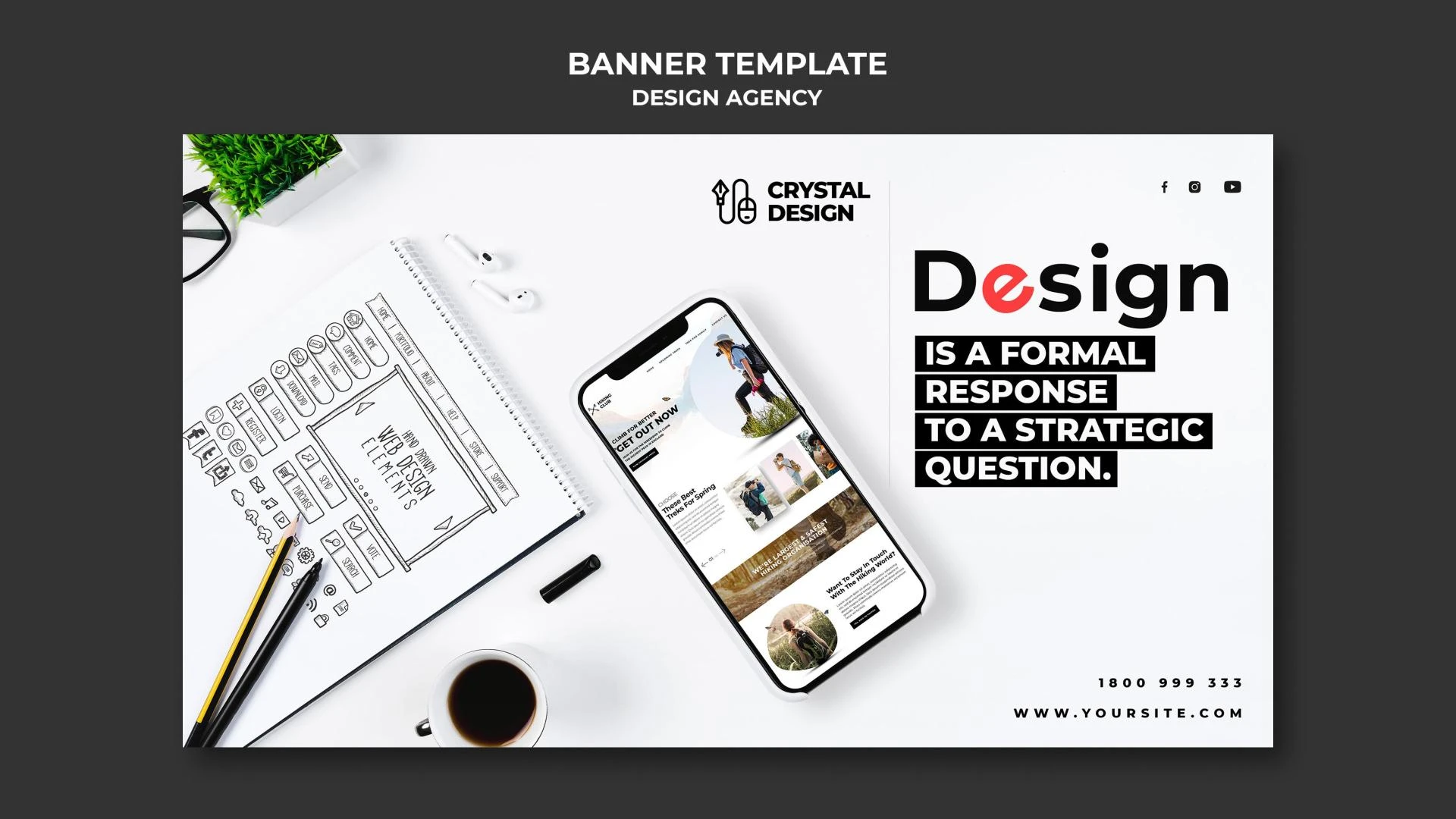
In today's digital age, having an online presence is crucial for businesses to succeed. Websites and mobile apps have become the primary interfaces through which companies interact with their customers, making the design of these digital platforms paramount. Good design is not merely about aesthetics; it's a strategic approach that can significantly impact user experience, engagement, and ultimately, a business's bottom line.
The Importance of User Experience (UX)
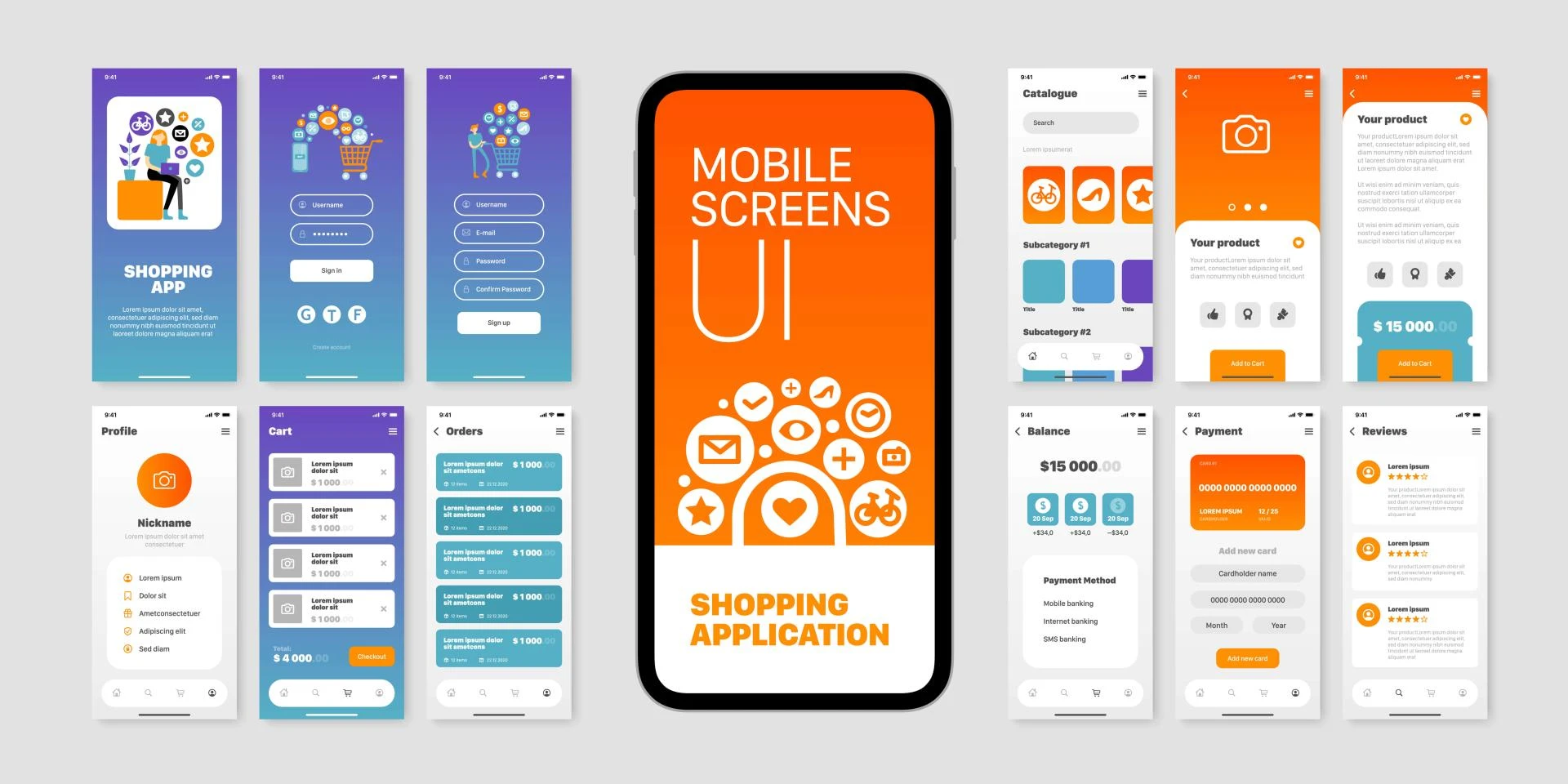
User experience (UX) is the cornerstone of good design. It encompasses every aspect of a user's interaction with a website or app, from the initial loading time to the ease of navigation and the overall intuitive nature of the interface. A well-designed platform anticipates user needs, minimizes friction, and provides a seamless and enjoyable experience.
One of the key principles of good UX design is simplicity. Cluttered interfaces, confusing navigation, and overwhelming information can quickly lead to user frustration and abandonment. By prioritizing clarity and intuitive design, businesses can ensure that users can effortlessly find what they're looking for, complete desired actions, and ultimately achieve their goals.
Effective Visual Communication
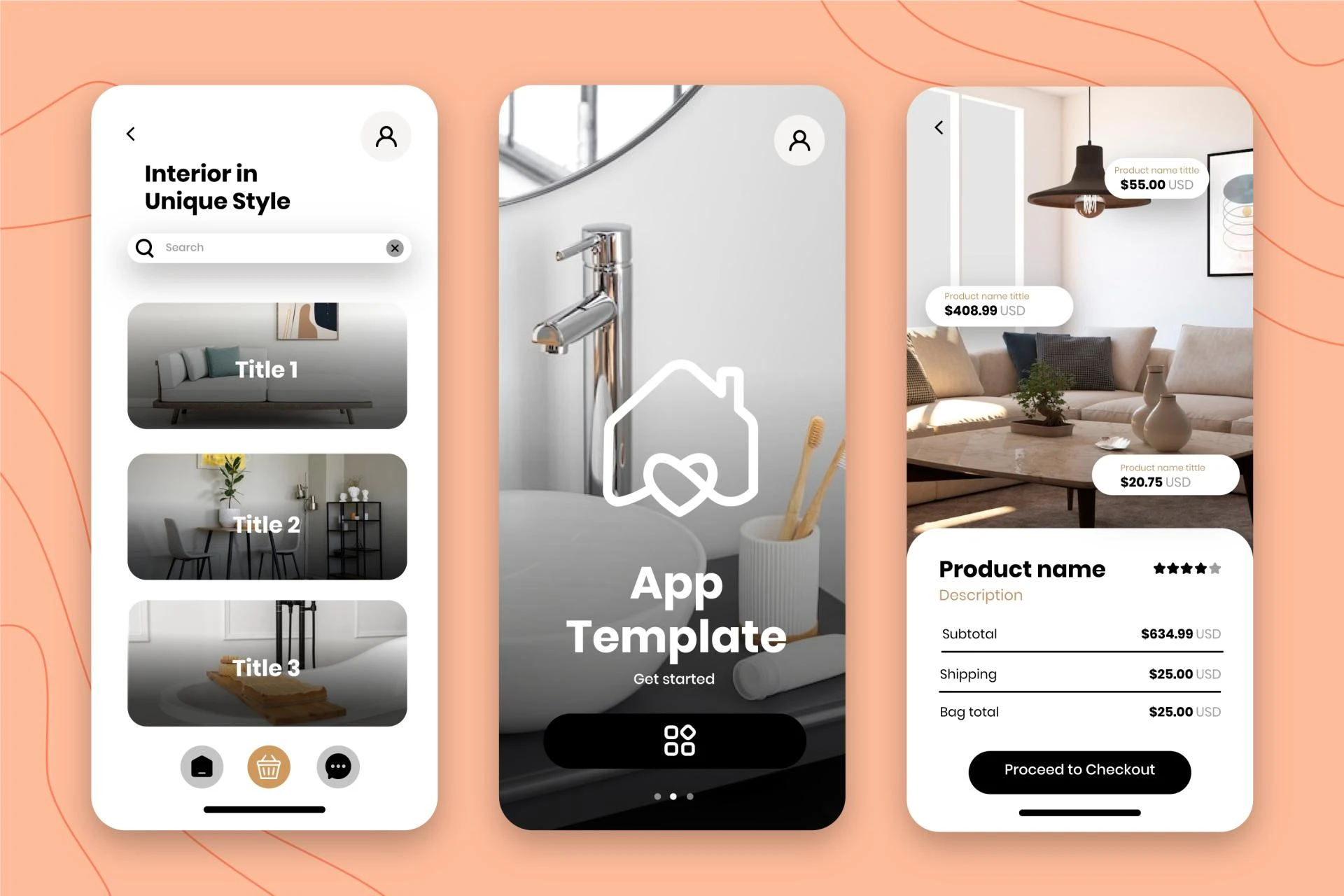
Visual communication is another critical aspect of good design. The way information is presented can significantly influence how users perceive and engage with a website or app. Well-crafted visuals, such as icons, typography, and color schemes, can enhance comprehension, evoke emotions, and create a memorable brand identity.
Consistency is key when it comes to visual communication. A cohesive design language across all touchpoints reinforces brand recognition and builds trust with users. Additionally, adhering to established design principles, such as gestalt principles and color theory, can enhance the overall aesthetic appeal and usability of a digital platform.
Responsive and Adaptive Design
In today's multi-device world, it's essential for websites and apps to be responsive and adaptive. Responsive design ensures that digital platforms automatically adjust their layout and content to provide an optimal viewing experience across various screen sizes and devices, from desktop computers to smartphones and tablets.
Adaptive design takes this concept a step further by tailoring the user interface and content to the specific device and context. For example, a mobile app might prioritize location-based features or streamline certain functionalities to accommodate the smaller screen and on-the-go usage.
Accessibility and Inclusivity
Good design is not only about creating visually appealing and user-friendly interfaces but also about ensuring accessibility and inclusivity. Websites and apps should be designed with consideration for users with diverse abilities, including those with visual, auditory, cognitive, or motor impairments.
Adhering to accessibility guidelines, such as providing alternative text for images, ensuring proper color contrast, and enabling keyboard navigation, can significantly improve the user experience for individuals with disabilities. Additionally, inclusive design principles, such as catering to diverse cultural backgrounds and considering different age groups, can help businesses reach a broader audience.
The Business Impact of Good Design
The impact of good design extends far beyond aesthetics and usability. Well-designed websites and apps can significantly contribute to a business's success by improving key metrics such as user engagement, conversion rates, and customer loyalty.
Engaged users are more likely to spend more time on a website or app, explore its features, and ultimately convert into customers or loyal followers. A seamless and enjoyable user experience can foster positive brand associations, encourage repeat visits, and drive word-of-mouth recommendations.
Conversely, poorly designed digital platforms can lead to high bounce rates, low conversion rates, and a negative brand perception, ultimately impacting a business's bottom line.
The Role of User Research and Testing
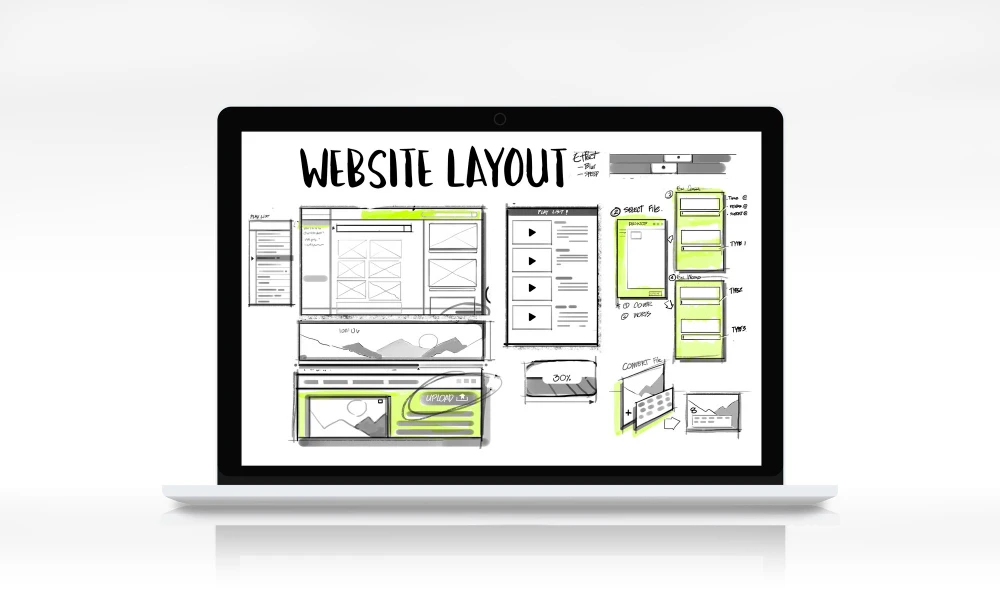
Achieving good design is an iterative process that requires continuous user research and testing. Understanding the target audience's needs, behaviors, and preferences is crucial for informing design decisions and creating user-centric solutions.
User testing, whether through focus groups, interviews, or usability testing sessions, provides valuable insights into how users interact with a website or app. By gathering feedback and analyzing user behavior, designers can identify pain points, uncover opportunities for improvement, and refine the design accordingly.
Collaboration and Cross-Functional Teamwork
Effective design is a collaborative effort that requires cross-functional teamwork. Designers must work closely with developers, product managers, marketers, and subject matter experts to ensure that the final product meets both user needs and business objectives.
Open communication and a shared understanding of the project goals are essential for fostering a productive collaborative environment. By leveraging diverse perspectives and expertise, teams can create innovative solutions that strike the perfect balance between aesthetics, functionality, and business requirements.
Continuous Improvement and Adaptation
In the ever-evolving digital landscape, good design is not a one-time achievement but rather an ongoing pursuit. As user preferences and technologies evolve, businesses must be prepared to adapt and continuously improve their digital platforms.
Regularly monitoring user behavior, tracking metrics, and gathering feedback can provide valuable insights for identifying areas for improvement. Additionally, staying up-to-date with emerging design trends, technologies, and best practices can help businesses stay ahead of the curve and continue to deliver exceptional user experiences.
Conclusion
The power of good design lies in its ability to transform websites and apps into engaging, user-friendly, and aesthetically pleasing digital experiences. By prioritizing user experience, effective visual communication, responsive and adaptive design, accessibility, and inclusivity, businesses can create digital platforms that resonate with their target audience, foster brand loyalty, and drive business success.
Achieving good design requires a strategic approach that combines user research, cross-functional collaboration, and a commitment to continuous improvement. As the digital landscape continues to evolve, embracing the principles of good design will be essential for businesses to stay competitive and deliver exceptional user experiences that truly transform their online presence.
Visit my Upwork project catalog : Elementor Developer


























Sign in to leave a comment.