
In a world filled with noise and distractions, minimalism offers a refreshing approach to design. It's a concept that advocates for simplicity and the removal of unnecessary elements, focusing on what truly matters. From web and graphic design to interior, fashion, and product design, minimalism has made its mark across various industries, showcasing the power of less is more.
Benefits of Minimalism
One of the key benefits of minimalism is clarity. By stripping away excess elements, designers can create clean and straightforward designs that are easy to understand and navigate. This clarity also extends to the message or purpose behind the design, allowing it to stand out and resonate with the audience.
Another advantage of minimalism is its ability to focus on essential elements. By prioritizing what truly matters, designers can create designs that are impactful and meaningful, without the need for unnecessary embellishments. This focus helps to create a stronger connection with the audience, as they are more likely to engage with a design that is clear and to the point.
Minimalism also enhances the user experience. By simplifying the design, designers can create a more intuitive and user-friendly experience that makes it easier for users to accomplish their goals. Whether it's navigating a website, understanding a message, or using a product, minimalism can improve the overall user experience by removing barriers and distractions.
Minimalism in Web Design
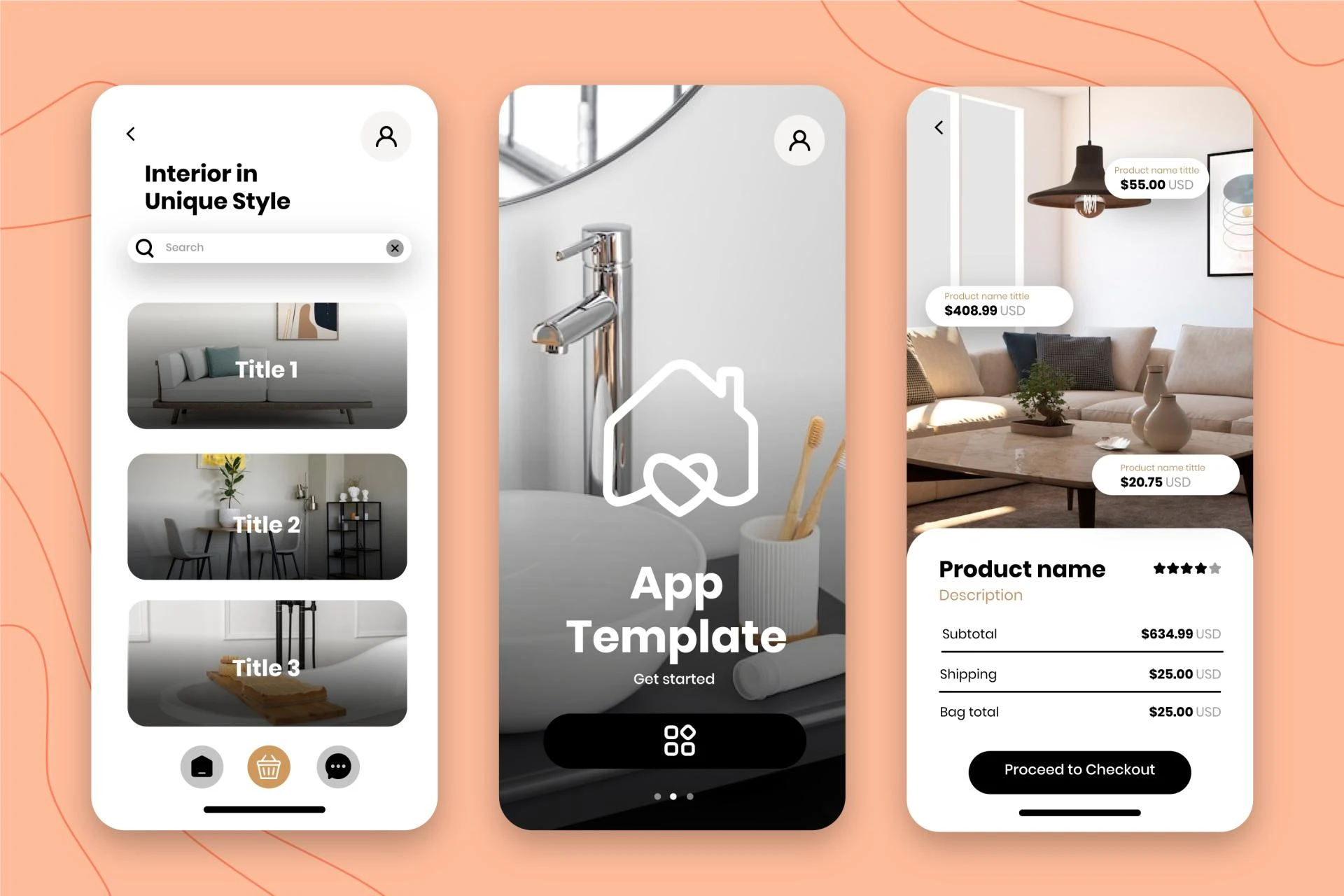
In web design, minimalism is characterized by clean and uncluttered layouts. This approach emphasizes the use of white space to create a sense of openness and elegance. Minimalist websites are known for their simplicity, often featuring limited color palettes, minimalist typography, and a focus on content over design elements.
Minimalism in Graphic Design
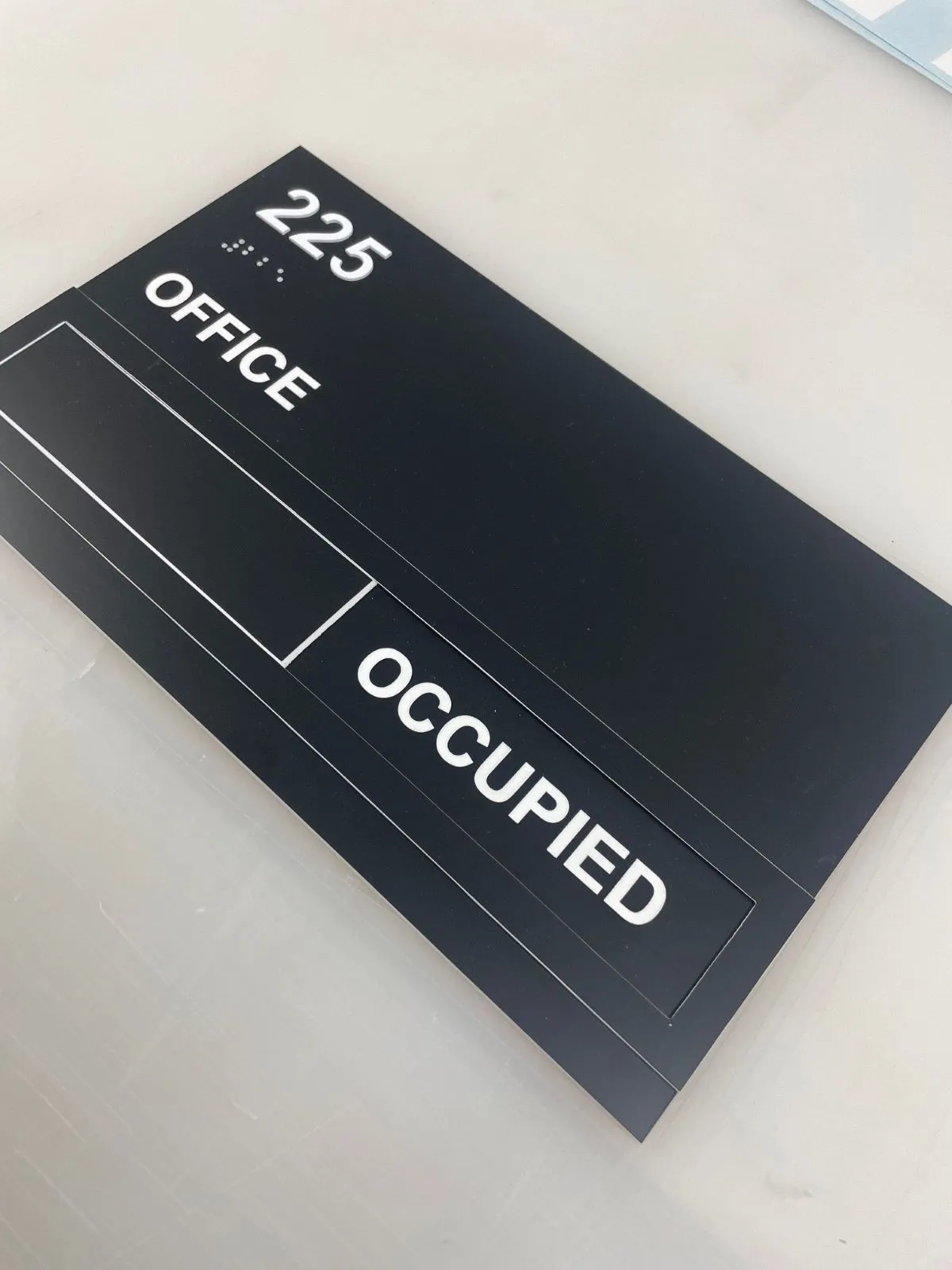
Graphic design often relies on visual elements to convey a message or evoke an emotion. Minimalism in graphic design involves simplifying these visual elements to their core, using negative space and minimalist principles to create impactful designs. Minimalist graphic design is known for its simplicity and effectiveness, often conveying a message or idea with just a few elements.
Minimalism in Interior Design
In interior design, minimalism is about creating functional and decluttered spaces that promote a sense of calm and tranquility. Minimalist interiors often feature neutral color palettes, simple furniture, and an emphasis on natural light and open spaces. The goal of minimalist interior design is to create a space that is both beautiful and functional, without the need for excess or unnecessary elements.
Minimalism in Fashion Design
In fashion design, minimalism is about creating simple and timeless clothing that transcends trends. Minimalist fashion often involves capsule wardrobes, which are collections of essential pieces that can be mixed and matched to create a variety of outfits. Minimalist fashion is also closely tied to sustainable fashion, as it encourages consumers to buy fewer, higher-quality pieces that will last longer.
Minimalism in Product Design
In product design, minimalism is about creating products that are functional, user-friendly, and aesthetically pleasing. Minimalist products often feature clean lines, simple shapes, and a focus on usability. By removing unnecessary features and focusing on what truly matters, designers can create products that are both beautiful and functional.
Challenges and Misconceptions
While minimalism offers many benefits, it also comes with its challenges. One common misconception about minimalism is that it lacks creativity. However, minimalism is not about limiting creativity, but rather about using it in a more focused and intentional way. By removing distractions and focusing on what truly matters, designers can actually enhance their creativity and create more impactful designs.
Another challenge of minimalism is achieving balance. It can be tempting to remove too much and end up with a design that feels empty or incomplete. Finding the right balance between simplicity and complexity is key to successful minimalism, and it often requires careful consideration and experimentation.
Conclusion
In conclusion, minimalism is a powerful design philosophy that emphasizes simplicity, clarity, and focus. From web and graphic design to interior, fashion, and product design, minimalism has proven to be a versatile and effective approach to design. By embracing minimalism, designers can create designs that are not only beautiful and functional but also meaningful and impactful.
Visit my Upwork profile for - UI/UX design, Web design & Mobile design























Sign in to leave a comment.