

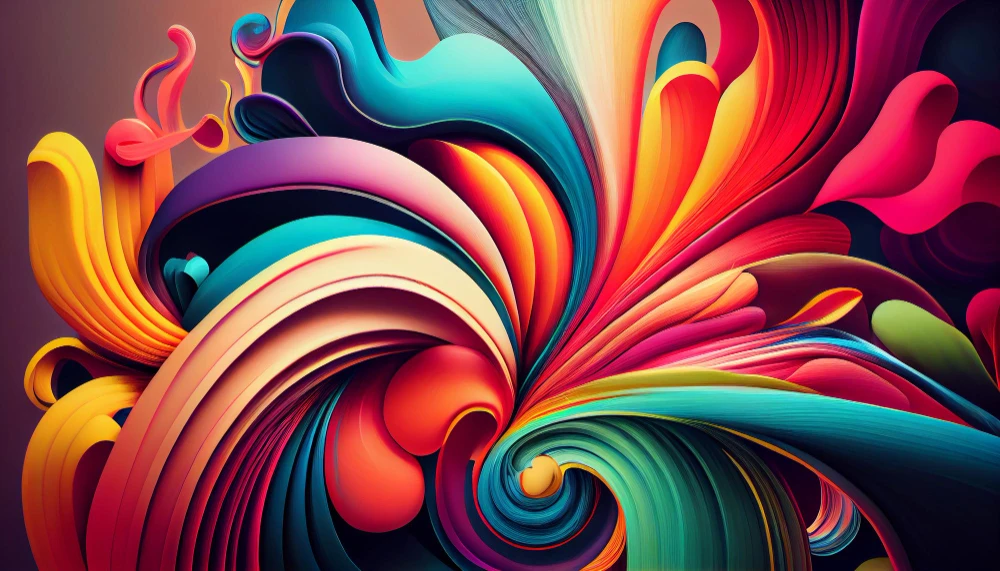
In the realm of User Interface (UI) and User Experience (UX) design, color is more than just an aesthetic choice; it's a powerful tool that influences user perceptions, emotions, and behaviors. The psychology of color plays a significant role in shaping how users interact with digital platforms, impacting their decisions, engagement, and overall experience. By understanding the psychological effects of different colors, designers can strategically employ color palettes to create visually appealing and emotionally resonant interfaces. In this exploration, we delve into the psychology of color in UI/UX design and uncover the ways in which color choices can profoundly impact user interactions.
1. Red: Passion and Energy
Red is a color that evokes strong emotions, often associated with passion, energy, and urgency. It can be used strategically to draw attention to important elements, such as buttons or notifications. However, excessive use of red can also create a sense of alarm or caution.
2. Blue: Trust and Serenity
Blue is often linked to feelings of trust, calmness, and serenity. It's a popular choice for brands and platforms that aim to establish credibility and reliability. Lighter shades of blue can create a sense of openness, while darker blues evoke a more professional tone.
3. Green: Growth and Freshness
Green is associated with growth, nature, and freshness. It's commonly used for environmentally conscious brands and platforms. Green can also signify positivity and progress, making it an effective choice for interfaces that involve success or achievement.
4. Yellow: Optimism and Warmth
Yellow is a color that exudes optimism, warmth, and positivity. It grabs attention and can be used to highlight important information. However, excessive use of yellow can lead to visual strain, so designers should use it sparingly.
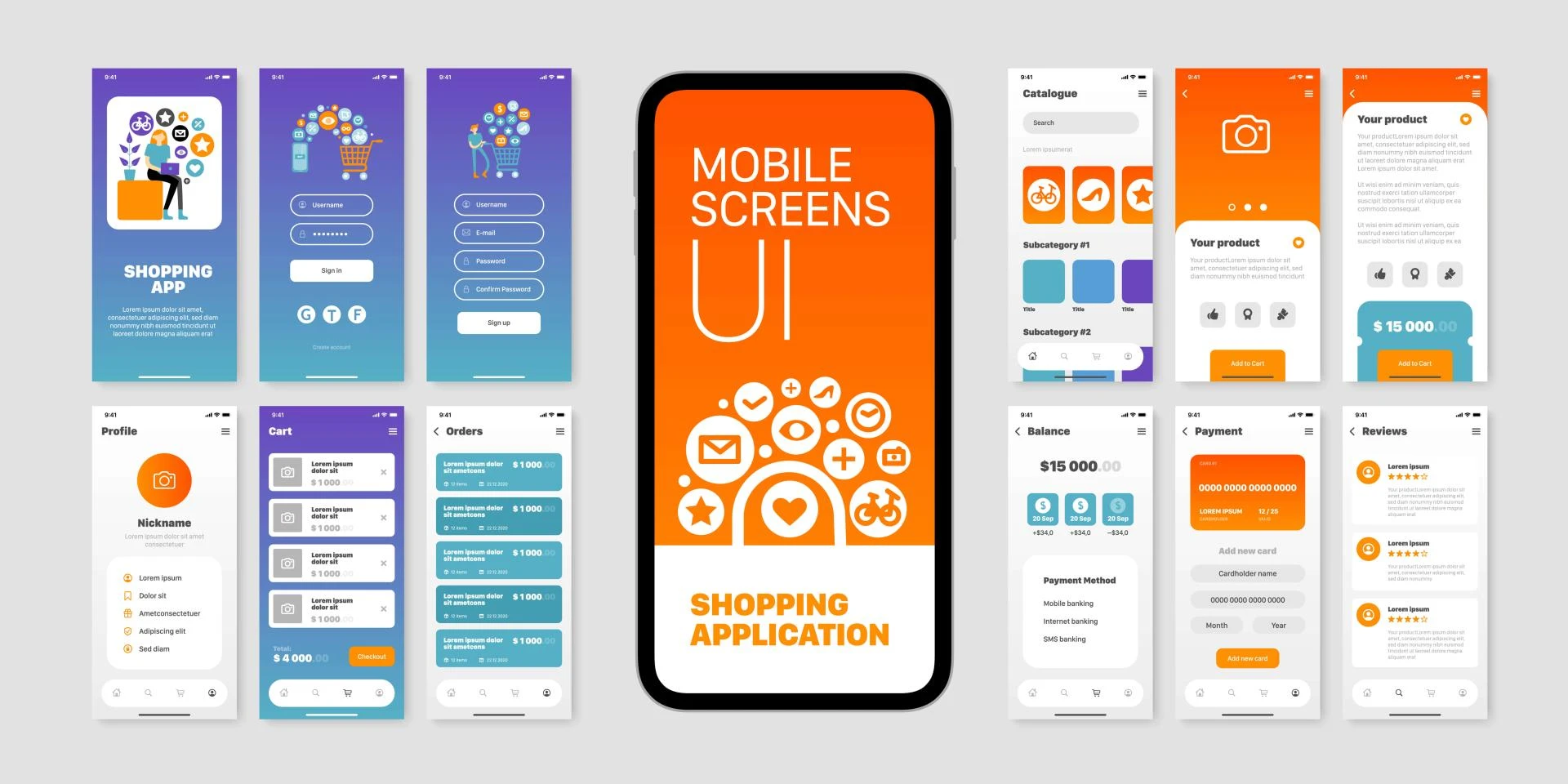
5. Orange: Creativity and Vibrancy
Orange combines the energy of red with the positivity of yellow. It's often associated with creativity and vibrancy, making it suitable for platforms that want to express innovation and excitement. Orange can encourage action and enthusiasm.
6. Purple: Luxury and Sophistication
Purple is a color that signifies luxury, sophistication, and creativity. It's often used by brands that want to convey elegance and uniqueness. Lighter shades of purple can have a calming effect, while deeper shades are associated with royalty and exclusivity.
7. Black: Elegance and Authority
Black is a color of elegance, authority, and formality. It's often used to create a sense of luxury and sophistication. Black can also serve as a backdrop that highlights other colors and elements, creating a striking contrast.
8. White: Simplicity and Cleanliness
White represents simplicity, cleanliness, and purity. It's commonly used in minimalist designs and medical or health-related platforms. White space can enhance readability and create a sense of spaciousness.
9. Gray: Neutrality and Balance
Gray is a neutral color that symbolizes balance and professionalism. It's often used as a background color to allow other colors to stand out. Different shades of gray can evoke different moods, from conservative to modern.
10. Brown: Warmth and Earthiness
Brown is associated with warmth, earthiness, and reliability. It's often used in designs that want to convey a sense of stability and authenticity. Brown can create a cozy and approachable atmosphere.
11. Color Combinations
The combination of colors plays a significant role in influencing user emotions. Complementary colors create contrast, while analogous colors offer a harmonious and cohesive look. Designers should consider color theory and the emotions different color combinations evoke.
12. Cultural and Contextual Considerations
The psychological impact of colors can vary across cultures and contexts. What a color represents in one culture may have a different meaning in another. Designers should be mindful of cultural sensitivities and user preferences.
Conclusion
The psychology of color in UI/UX design is a dynamic and multifaceted aspect that deeply influences user experiences. By strategically leveraging the emotional and psychological effects of different colors, designers can shape how users perceive, interact with, and remember a digital platform. Color choices extend beyond aesthetics; they have the power to evoke emotions, establish brand identity, and drive user actions. In the ever-evolving landscape of digital design, the art of using color to create compelling and user-centric experiences continues to demonstrate the profound impact of design on human behavior and perception.
Visit my Upwork profile for - UI/UX design, Mobile Design & Product Designer
Project Catalog for - Mobile App UI UX Design, iOS or Android Mobile APP UX/UI Design & Modern Crypto Designn





















Sign in to leave a comment.