

In the world of digital design, the journey users take through a website or app, known as the user flow, holds the key to unlocking higher conversion rates. User flow encompasses the sequence of steps users follow to achieve a specific goal, whether it's making a purchase, signing up, or engaging with content. The design and optimization of user flow have a direct impact on conversion rates, influencing whether users successfully complete desired actions or abandon their journey. In this exploration, we delve into the profound impact of user flow on conversion rates and uncover strategies for creating a seamless and engaging flow that drives user action.
1. Mapping the User Flow
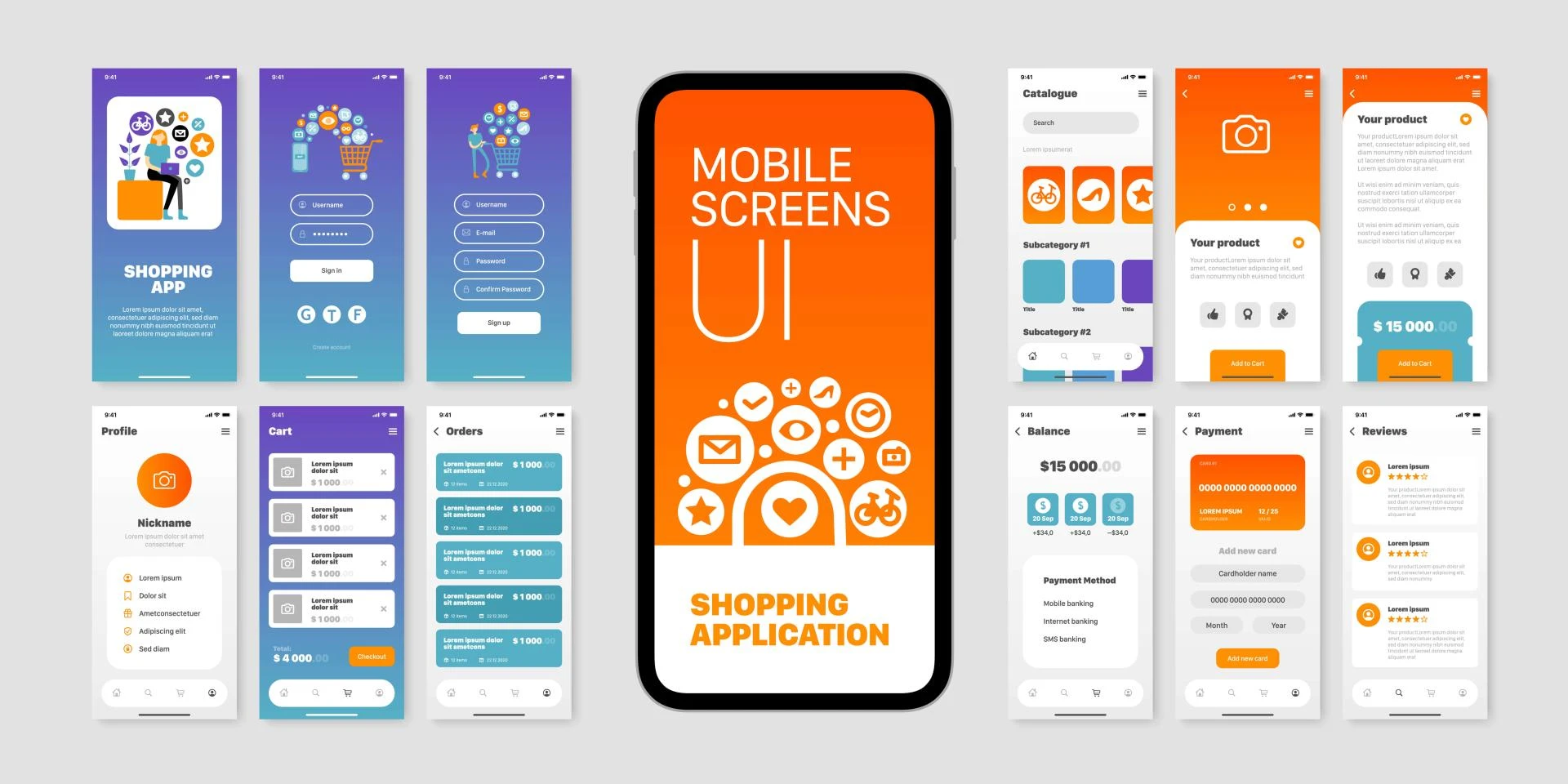
Before designing a user flow, it's crucial to map out the entire journey users will take. Understand the entry points, navigation paths, and decision points users encounter as they move through the website or app. Mapping the user flow helps identify potential friction points and optimization opportunities.
2. Simplicity and Clarity
A streamlined user flow emphasizes simplicity and clarity. Each step should have a clear purpose and guide users toward their goal. Avoid unnecessary steps or distractions that could lead users astray from the desired action.
3. Reducing Friction
Friction in the user flow hinders conversion rates. Friction points could include complicated forms, unclear instructions, or excessive information requirements. Identify and eliminate these points to create a smooth and frictionless journey.
4. Visual Hierarchy and CTA Placement
Design the user flow with a clear visual hierarchy that guides users' attention. Place Calls to Action (CTAs) prominently and strategically to prompt users to take the desired action. The placement and design of CTAs significantly impact conversion rates.
5. Personalization and Segmentation
Tailoring the user flow based on user segments or preferences enhances relevance. Personalization ensures that users encounter content and options that align with their interests, increasing the likelihood of conversion.
6. Progress Indicators and Feedback
Providing progress indicators and feedback informs users about their journey's status. Users appreciate knowing where they are in the process and how many steps are remaining, which reduces uncertainty and encourages them to continue.
7. Mobile Optimization
User flow must be optimized for mobile devices, considering the smaller screen size and touch interactions. Mobile optimization ensures that users on smartphones and tablets can seamlessly navigate and complete actions.
8. Minimizing Choices
Offering too many choices can overwhelm users and lead to decision paralysis. Minimize choices at each step of the user flow to guide users toward a clear and focused action.
9. User Testing and Optimization
Conduct user testing to identify pain points and opportunities for improvement in the user flow. Use insights from testing to refine the flow, addressing issues that users encounter and optimizing the journey.
10. Clear Value Propositions
Communicate the value users will receive by completing the desired action. Clear value propositions enhance user motivation and encourage them to proceed through the user flow.
11. Retargeting and Remarketing
Incorporate retargeting and remarketing strategies to re-engage users who have abandoned the user flow. Remarketing ads or emails can remind users of their initial interest and encourage them to return and complete the action.
12. Continuous Monitoring and Iteration
User behavior and expectations evolve, so it's essential to continuously monitor the user flow's performance. Analyze conversion rates, user behavior, and feedback to iteratively refine the user flow and maintain optimal conversion rates.
Conclusion
The impact of user flow on conversion rates is undeniable. Designing a seamless and engaging user journey can be the difference between a user completing a desired action or dropping off. By prioritizing simplicity, clarity, and reducing friction, designers can create user flows that guide users toward conversion with confidence. In the dynamic landscape of digital design, the art of optimizing user flow is an ongoing endeavor that requires a deep understanding of user behavior and preferences. The synergy between user flow and conversion rates exemplifies the power of design in shaping user actions and achieving business goals, making it a critical element in creating exceptional digital experiences.
Visit my Upwork profile for - UI/UX design, Web design & Mobile design
























Sign in to leave a comment.