
In today's fast-paced digital world, it's not enough for a product or service to be functional; it must also be emotionally engaging. Whether it's a website, an app, or a physical product, the design plays a crucial role in shaping the user's emotional experience. By understanding the psychology behind design, creators can tap into the power of emotions and craft experiences that captivate and resonate with their audience.
The Importance of Emotional Design
Humans are inherently emotional beings, and our decisions and behaviors are heavily influenced by our emotions. When we interact with a product or service, we form an emotional connection with it, which can either enhance or diminish our overall experience. Positive emotions, such as joy, excitement, and satisfaction, can lead to increased engagement, loyalty, and advocacy, while negative emotions, like frustration, confusion, and disappointment, can drive users away.
The Role of Psychology in Design
Psychology plays a pivotal role in understanding how users perceive, interpret, and interact with design elements. By leveraging psychological principles, designers can create experiences that resonate with users on a deeper level, evoking the desired emotions and promoting positive engagement.
1. Cognitive Load and Usability
One of the fundamental principles of design psychology is minimizing cognitive load. Cognitive load refers to the mental effort required to process information and complete tasks. When cognitive load is too high, users become overwhelmed, leading to frustration and disengagement. By adhering to principles of usability, such as clear navigation, intuitive layout, and appropriate use of visual cues, designers can reduce cognitive load and create a seamless user experience.
2. Visual Aesthetics and Emotional Response
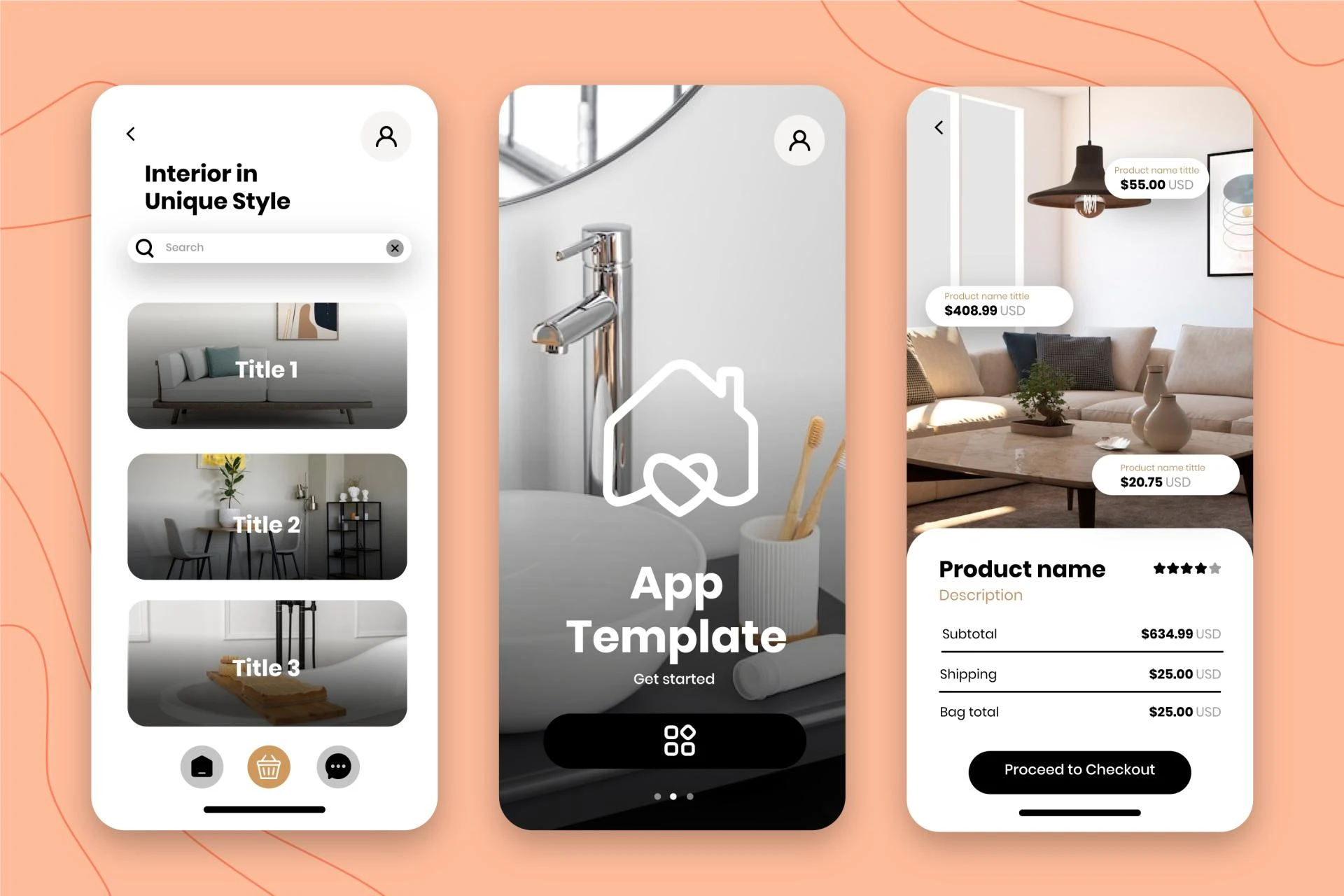
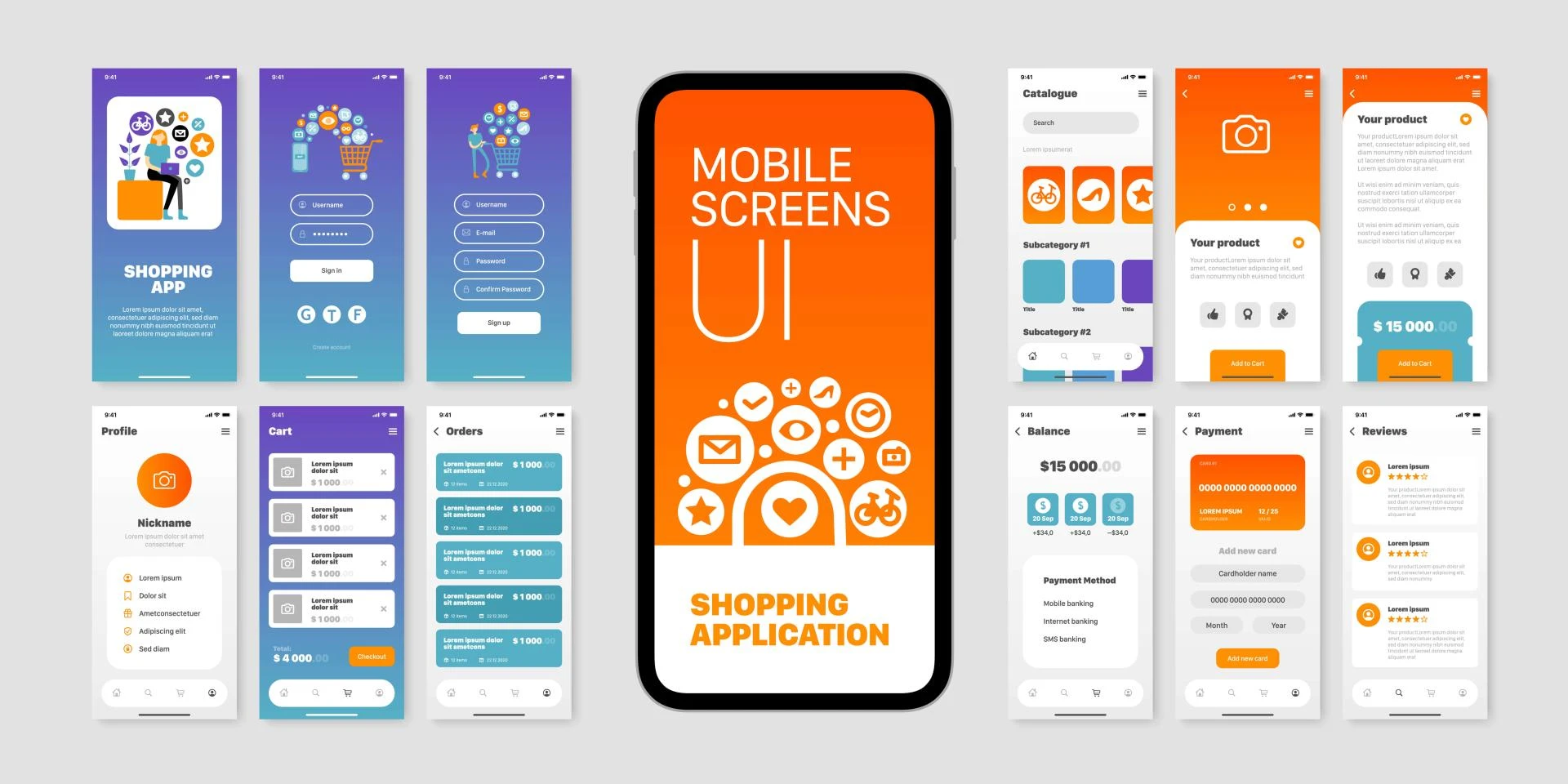
The visual aesthetics of a design play a significant role in shaping emotional responses. Colors, shapes, typography, and imagery can evoke specific emotions and associations. For example, warm colors like red and orange can convey energy and excitement, while cool colors like blue and green can promote a sense of calm and tranquility. Designers can leverage these associations to create visually appealing and emotionally resonant experiences.
3. Storytelling and Emotional Connection
Storytelling is a powerful tool for creating emotional connections with users. By weaving narratives into the design, designers can tap into users' emotions and create a sense of personal investment. This can be achieved through visual metaphors, character development, or by incorporating users' own stories into the design.
4. Anticipatory Design and Delight
Anticipatory design focuses on anticipating users' needs and providing solutions before they even realize they need them. This proactive approach can create a sense of delight and surprise, fostering positive emotions and strengthening the emotional bond between users and the product or service.
5. Personalization and Emotional Investment
Personalization is another powerful technique for creating emotional engagement. By tailoring the experience to individual preferences and needs, designers can foster a sense of ownership and emotional investment in the product or service. This can be achieved through customizable features, personalized recommendations, or by incorporating user-generated content.
Putting it into Practice
Implementing the psychology of design requires a holistic approach that considers the user's emotional journey from start to finish. Here are some practical steps designers can take to create emotionally engaging experiences:
1. Conduct User Research
Gain a deep understanding of your target audience by conducting user research. This can include interviews, surveys, and usability testing to uncover their motivations, pain points, and emotional drivers.
2. Develop Personas and User Journeys
Create detailed personas that represent your target users, including their emotional needs and preferences. Map out user journeys to identify potential emotional touchpoints and opportunities for engagement.
3. Embrace Iterative Design
Design is an iterative process, and it's essential to gather feedback and refine the experience based on user reactions. Conduct usability testing and gather qualitative feedback to understand the emotional impact of your designs.
4. Foster Collaboration
Encourage collaboration between designers, psychologists, marketers, and other stakeholders to ensure a holistic approach to emotional design. Diverse perspectives can lead to richer and more engaging experiences.
5. Measure and Optimize
Implement analytics and user feedback mechanisms to continuously measure and optimize the emotional impact of your designs. Identify areas for improvement and iterate based on data-driven insights.
Conclusion
In conclusion, the psychology of design plays a crucial role in creating emotionally engaging experiences. By understanding the principles of cognitive load, visual aesthetics, storytelling, anticipatory design, and personalization, designers can tap into the power of emotions and craft experiences that captivate and resonate with users on a deeper level. Embracing a user-centric approach, fostering collaboration, and continuously iterating based on feedback and data will help ensure that your designs not only meet functional requirements but also forge lasting emotional connections with your audience.
Visit my Upwork project catalog : Elementor Developer






















Sign in to leave a comment.