

For a thriving dental practice, the difference between a good year and a great year often comes down to one thing: chair time utilization. Every moment a treatment chair, a hygienist, or a dentist is waiting for a patient is lost revenue that can never be recovered. High volume dental practices operate on razor thin margins of time, and inefficiency in patient flow can quickly create bottlenecks that throttle capacity and frustrate the very patients who drive the practice’s growth.
The typical culprits for this lost time are often overlooked: patients running late, lengthy and redundant check in processes, and most critically, poor coordination between the front desk, the hygienist, and the dentist. The solution is not to simply book more patients, but to optimize the time they spend moving through the clinic. By applying the intelligence of a modern queue management system, dental practices can unlock significant revenue potential, maximizing scheduling efficiency while drastically improving the patient experience. This approach turns the waiting room from a stress point into a smooth, predictive service channel.
The Hidden Tax on Dental Revenue
Before focusing on optimization, it is crucial to understand the subtle ways traditional scheduling and flow drain revenue from a practice. These inefficiencies are often accepted as the “cost of doing business,” but they are, in fact, preventable.
1. The 15 Minute Buffer Trap: Many practices build excessive buffer time into their schedules to account for paperwork, late arrivals, and slow chair turnover. If a hygienist is scheduled for eight appointments in a day, and each appointment has a 15 minute cushion for check in, that's two hours of potential, billable time lost simply to scheduling fear. This buffer time significantly lowers the effective capacity of the practice.
2. The Late Patient Cascade: A single patient arriving ten minutes late for a procedure can cause a ripple effect that throws off the entire afternoon. The hygienist is delayed, which delays the dentist’s check, which in turn makes the next patient wait. This unpredictable chaos forces the practice to either rush the remaining appointments (leading to rushed care and poor reviews) or push subsequent patients into an extended, frustrating wait.
3. Inefficient Handoffs and Chair Vacancy: The most common bottleneck in a dental practice is the transition between the hygienist and the dentist. Often, the hygienist finishes a cleaning, and the patient sits waiting for five, ten, or even fifteen minutes for the dentist to become available for the final exam. That is valuable chair time sitting idle, and, worse, a frustrated patient whose total time commitment has ballooned unexpectedly.
4. The Paperwork Drag: Relying on clip boards and manual forms for updating medical history, insurance details, and consent is slow, error prone, and creates a traffic jam at the front desk. This time should be spent welcoming patients and managing logistics, not transcribing data.
The Digital Solution: Achieving Predictable Flow
A flexible, intelligent queue management system is the architectural change required to transform these chaos points into predictable, high throughput workflows. It is not just about organizing a line; it is about synchronizing the entire clinical team around the patient's journey.
Step 1: Pre Appointment Automation. Efficiency begins before the patient arrives. The system sends secure, automated links for the patient to complete all necessary forms, update insurance information, and confirm medical history from home. This eliminates the clip board and the 15 minute check in lag, allowing patients to walk in and proceed almost immediately to the clinical area. This recouped time can be directly converted into more patient slots.
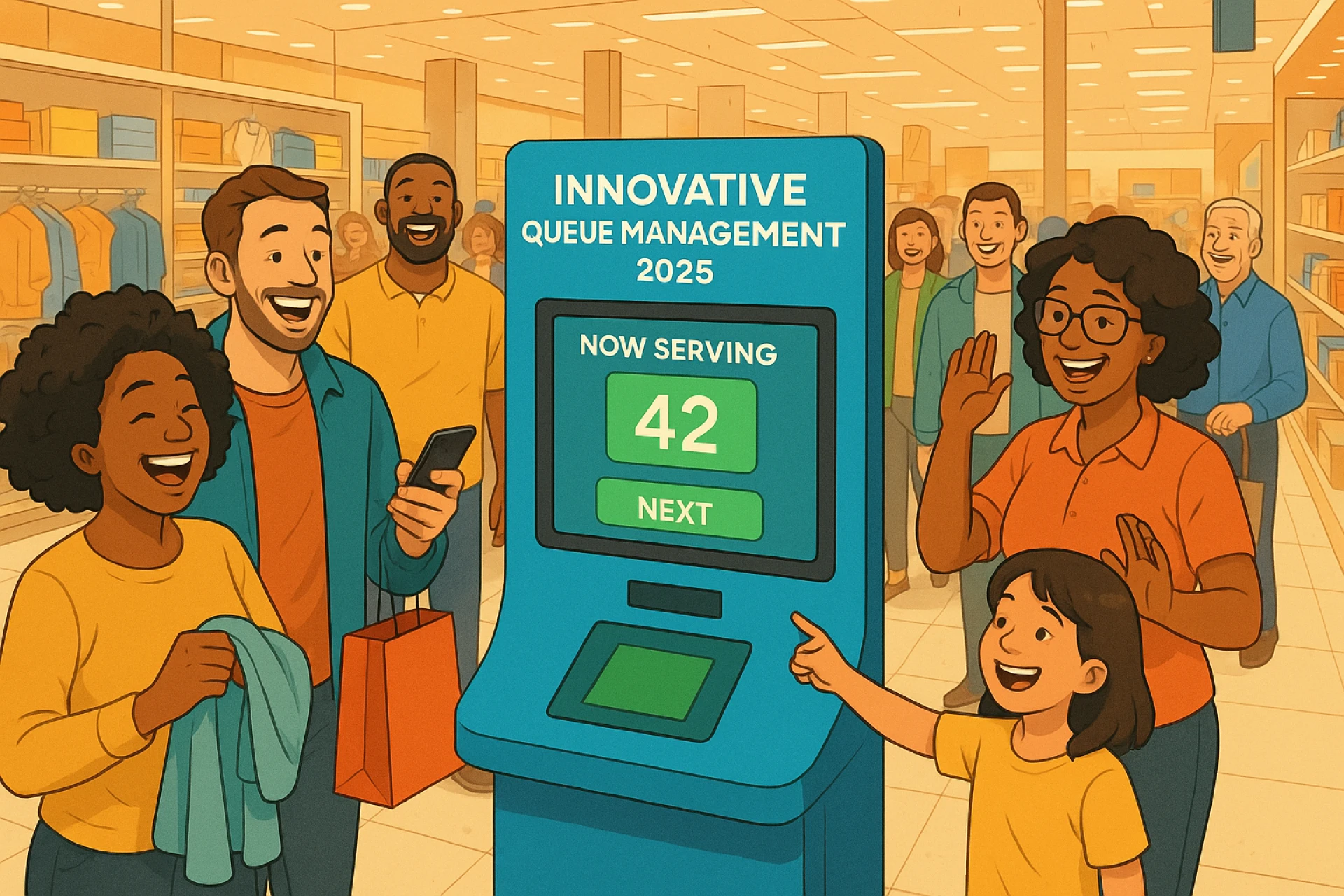
Step 2: Virtual Check In and Smart Triage. Upon arrival, patients check in via a tablet or their phone. The queue management system automatically registers their presence and, crucially, updates their status for the entire clinical team. This moves the waiting process from the physical lobby to a discreet, digital status. Instead of standing in a crowded front area, the patient is acknowledged and is ready for the next available resource.
Step 3: The Seamless Handoff Engine. This feature is the secret weapon for dental efficiency. The system monitors the status of every chair and every provider. When the hygienist begins wrapping up a cleaning, they use the system to electronically signal, "Ready for Doctor Check in 5 minutes." The queue management system then dynamically alerts the dentist, allowing them to time their arrival at the chair perfectly, minimizing or eliminating the patient’s wait between the cleaning and the exam. This eliminates costly chair vacancy and keeps the schedule flowing like clockwork.
A solution like Qwaiton specializes in this kind of multi step, internal flow management. By orchestrating the movement of patients from the waiting room to the hygienist, and then from the hygienist to the dentist, it ensures that every resource is utilized to its maximum potential.
Unlocking the Revenue Lift Through Data
The greatest long term financial benefit of a digital queue management system is the precision data it provides. This data allows practice managers to stop guessing and start optimizing with hard evidence.
Dynamic Capacity Planning: The system tracks the exact duration of every service type—not the scheduled time, but the actual time. It can show that while a filling is scheduled for 45 minutes, it only takes your most efficient dentist an average of 42 minutes. Conversely, complex root canals might consistently run 15 minutes over the scheduled time. This data is priceless for rebuilding a schedule that accurately reflects real world service times, allowing the practice to confidently book one or two extra patients per provider per day. That is the significant revenue lift that comes from data driven efficiency.
Identifying Bottlenecks: The data will clearly highlight where the flow is slowing down. Is it at the front desk because of a slow insurance verification process? Is it a specific sterilization station that is delaying chair turnover? Or is it a consistent lag in the dentist’s final exam? Once the exact choke point is identified, management can apply targeted training or process changes, ensuring resources are invested where they will yield the greatest return on efficiency.
Forecasting and Staffing: By analyzing historical patient flow patterns—like knowing Monday mornings are busy with follow ups, and Friday afternoons are heavy with emergency pain calls—the practice can use the queue management system to predict demand. This allows for optimal, predictive staffing, ensuring the right number of hygienists and assistants are available at peak times to keep every chair filled.
A practice using a robust platform like Qwaiton turns the flow data into a continuous improvement cycle, ensuring that every quarter is more efficient than the last.
The Ultimate Secret: Loyalty Through Respect
In the end, maximizing patient throughput is not a mechanical process; it is a customer service strategy. When patients experience a smooth, efficient, and transparent visit—where they are not left wondering, "What am I waiting for?"—their satisfaction skyrockets.
Patients understand that emergencies happen, but they appreciate a practice that respects their time enough to keep them informed and ensures their appointment moves quickly and predictably. This positive experience translates directly into loyalty, positive online reviews, and high rates of patient retention.
By shifting their focus from managing a chaotic physical line to managing an intelligent digital flow, high volume dental practices can unlock significant new revenue. They are not just treating more patients; they are delivering superior, stress free care that builds enduring patient relationships.


























Sign in to leave a comment.